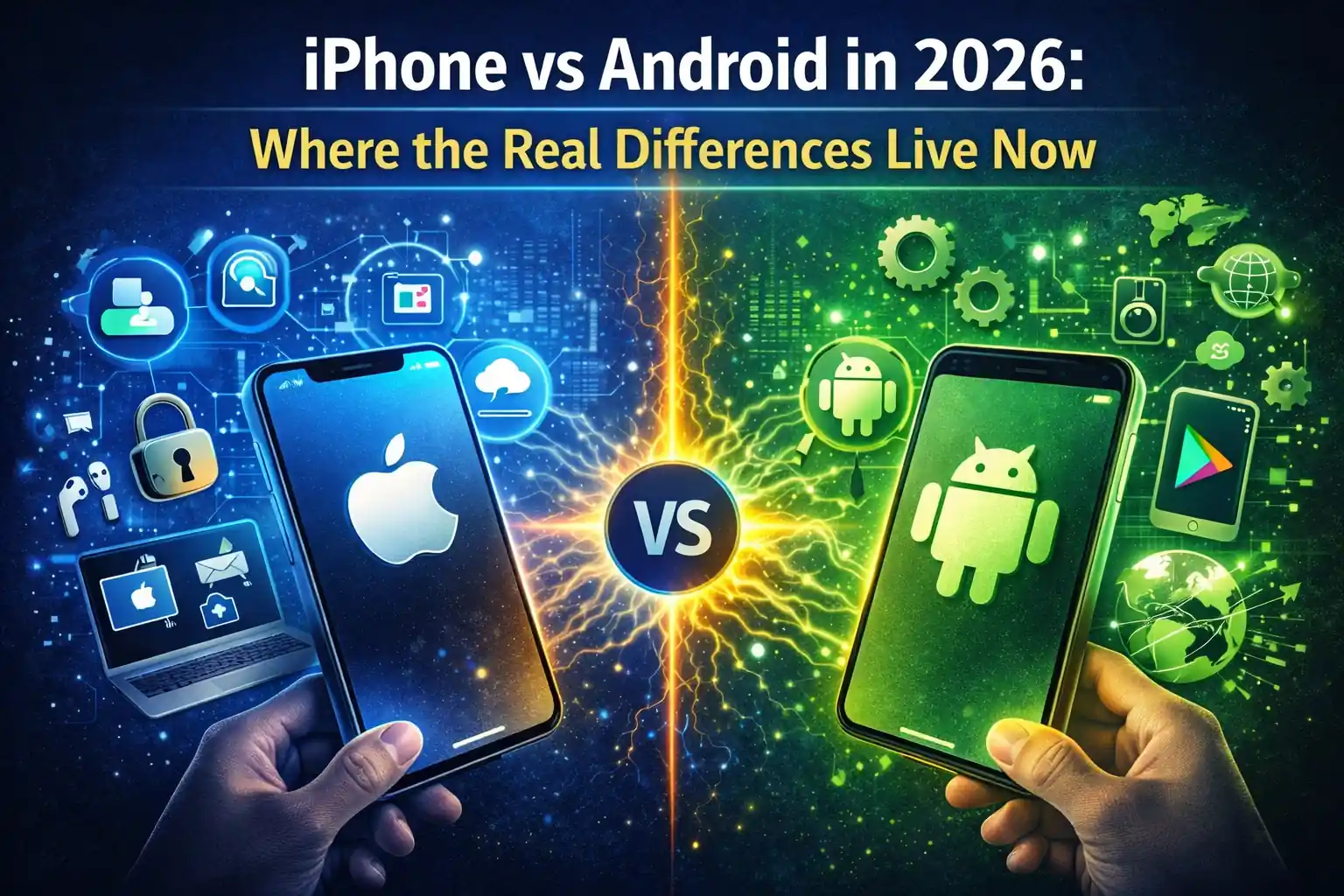
Pro IT profesionály, debata "iPhone vs Android" v roce 2026 není ve skutečnosti o tom, který telefon se lepší fotografie nebo které UI cítí lépe. Skutečné rozdíly se objevují tam, kde se protínají flotily, identity, data a dodržování předpisů: zápis, prosazování politiky, párování kadence, bezpečný přístup, kontrola aplikací, logování a jak se to všechno chová v rukou uživatelů, kteří naprosto najdou hrany případů. Ve zralém prostředí lze obě platformy dobře spravovat. Mezera je v jak důsledně každá platforma se chová v souladu s politikou, jak rychle přijímá bezpečnostní aktualizace po nainstalované základně a jak předvídatelné je, když ji integrujete do přístupu Zero Trust a podmíněného ověření.
Tento článek se zabývá praktickými rozdíly, které stále záleží v roce 2026, s předpokladem, že jste vyvážení uživatelských zkušeností proti bezpečnostní pozici, provozní režijní náklady, a integrace složitosti.
Debata se přesunula: Je to nyní o operační předvídatelnosti
Před deseti lety, "iPhone vs Android" byl funkce kontrolní seznam. V roce 2026, konverzace je o předvídatelnost. Předvídatelnost znamená, že vaše ovládací prvky fungují stejně přes zařízení, OS verze a hardwarové modely. To znamená, že politika, kterou nasadíte v pondělí nemusí být "přeložena" do pěti vendor- specifických implementací do pátku. Také to znamená, že oznámení zranitelnosti nespouští dlouhý ocas nezajištěných zařízení sedících na starších OS staví, protože cesta aktualizace závisí na oprávnění dopravce nebo OEM plány.
Praktický rozdíl je tento: iPhone prostředí mají tendenci být jednotnější v OS rollout a politické chování, zatímco Android prostředí může být pružnější a rozmanitější, ale často vyžadují větší pozornost na zařízení mix, prodejní časové linie a konfigurační drift.
Identita, podmíněný přístup a problém "důvěry"
V designu Zero Trust už mobilní zařízení nejsou "jen koncovými body". Jsou to také makléři identity a symbolické trezory: manipulace s MFA výzvami, hesly, certifikáty zařízení, a autentizátor proudí, že brána přístup k cloud aplikace a vnitřní zdroje. V roce 2026, většina organizací považuje zařízení zdraví a dodržování jako první třídy důvěryhodný signál: je-li zařízení není v souladu, relace je snížena nebo zablokována.
Skutečný rozdíl je, jak spolehlivě Každá platforma může doručit tyto signály do vašeho IDP a vynucování zásobníku. Rozmístění iPhone jsou často jednodušší než základní: méně hardwarových permutací, jasnější verze aktualizace OS, méně OEM překryvů a méně pohyblivých částí v "co se počítá jako vyhovující". Android může být stejně silný, zejména v dobře definovaných podnikových programů a kurátorem zařízení katalogy, ale stává těžší, když se BYOD expanduje a flotila se stává dlouhý ocas modelů se smíšenou úrovní bezpečnostní náplasti.
Pokud vytváříte politiku, která závisí na potvrzení, kontrole držení těla nebo na důmyslných signálech, položte neomalenou operační otázku: Kolik zařízení v naší Android flotile jsou na minimální podporované úrovni náplasti do 30 dnů od vydání? Tak se zeptej na iPhone. Ta delta, ne marketingová tvrzení, je místo, kde váš bezpečnostní model buď drží nebo uniká.
Patch Cadence a Long Tail: Riziko není "Android", je fragmentace
"Android je nejistý" je líný záběr. Přesnější tvrzení je: roztříštěnost zvyšuje provozní riziko. V roce 2026, Android bezpečnost je vynikající na moderních zařízeních s včasnými aktualizacemi a silný hardware- zálohovaný zabezpečení. Problémem je realita flotily: kombinace prodejců, modelů, dopravců a regionálních SKU. Bezpečnostní patch cadence, dostupnost verze OS, a dokonce funkce parity se mohou lišit.
iPhone prostředí mají obvykle těsnější distribuci kolem aktuálních verzí OS. Pro bezpečnostní týmy, na tom záleží, protože to snižuje "dlouhý ocas" zařízení, která nemohou být modernizovány rychle. V reakci na incidenty je čas zdrojem. Pokud musíte počítat s deseti vlaky OS a více vendor- specifické chování, vaše reakce se zpomaluje a vaše jistota klesá.
V případě IT je předmětem žaloby zadávání zakázek a koncepce politiky. Pokud povolíte Android široce, definovat podporovaný katalog zařízení, který prokázal aktualizační závazky. Pokud povolíte Android jako čistý BYOD, přijmout, že jste obchodování flotila jednotnost pro uživatelskou volbu, a zmírnit s přísnějším podmíněným přístupem, app-úroveň kontroly, a silnější hranice dat.
MDM / EMM Realita: Stejný checkbox neznamená vždy stejný výsledek
Na papíře, moderní MDM / EMM apartmá mohou spravovat obě platformy: prosadit složitost hesla, konfigurovat Wi-Fi / VPN, nasadit certifikáty, omezit sdílení, spravovat aplikace a řídit OS aktualizace chování do určité míry. Spolehlivost těchto kontrol v praxi závisí na tom, jak OS odhaluje řídící API a jak je platforma konzistentní.
Správa iPhone je často o výběru správného zapsaného modelu (corporate- owned vs BYOD), pak použití politik, které se chovají konzistentně napříč zařízeními. Management Android může být vysoce schopen, zejména na korporate-vlastněné zařízení se silnými rysy podniku, ale vyžaduje větší pozornost na modelové podpory zařízení, OEM varianty, a uživatelských workaronds.
V roce 2026, operační otázka se zeptat svého týmu není "Můžeme nastavit politiku?", ale "Můžeme dokázat, že zůstane nastavena?" To je rozdíl mezi kontrolním políčkem a kontrolou, kterou můžete během auditu bránit.
Hranice dat: Kontainerizace vs Platform- První oddělení
BYOD zůstává běžné, a BYOD vždy zavádí stejné napětí: musíte chránit firemní data bez zacházení s osobními zařízeními, jako je firemní majetek. V roce 2026 se většina organizací opírá o směs ochrana na úrovni aplikace, pracovní profily / nádobya podmíněný přístup spíše než plnou kontrolu zařízení.
Koncepce "pracovního profilu" Android může být pro BYOD velmi přesvědčivá, protože nabízí jasné oddělení osobních a pracovních aplikací a dat. iPhone přístupy často zdůrazňují spravované aplikace, řízené účty a omezení sdílení dat, která udržují pracovní data uvnitř schválených aplikací. Oba mohou fungovat dobře. Skutečný rozdíl je v tom, jak to vaši uživatelé prožívají a jak spolehlivě brání úniku dat do neřízených kanálů.
Pokud vaše organizace silně spoléhá na spolupráci aplikací, sdílení souborů a zpráv, vaše riziko často pochází z "kopírovat / vložit", "otevřít v", osobní cloud zálohování, a třetí strana klávesnice. Rozdíl mezi platformou, na kterém záleží, je ten, který vám umožní implementovat ovládací prvky s nejmenšími výjimkami a nejmenším uživatelským třením.
Bezpečný přístup: VPN není delší výchozí
V roce 2026 je plně tunelová VPN na mobilu spíše výjimkou než pravidlem. App-specific VPN, per- app routing, private access brokers, a identity- vědomi proxies jsou častější, protože snižují poloměr výbuchu a zjednodušují politiku. Mobilní přístup je nyní většinou o Kontrola sedění a nejmenší výsadaNe o tom, že jsem dal telefon na LAN. "
Rozdíl mezi iPhone a Android zde má tendenci být méně filozofické a praktičtější: snadné konfigurování certifikate-based auth, stabilita VPN profilů, a konzistence chování po celém vozovém parku. Pokud váš přístupový zásobník závisí na certifikátech zařízení, moderních krypto, a pevné pozice signály, platforma, která je jednodušší standardizovat sníží objem vstupenky a snížit "záhadné poruchy."
App Ecosystems: Control, Supply Chain Risk, a Shadow IT
Riziko aplikace v roce 2026 je méně o "malware" ve starém slova smyslu a více o riziku dodavatelského řetězce, nadměrných povoleních, riskantních SDK, a exfiltrace dat prostřednictvím dokonale legitimně vypadajících aplikací. IT týmy stále častěji přijímají povolenky, katalogy soukromých aplikací a hodnocení rizik aplikací - zejména pro zařízení, která mají přístup k citlivým systémům.
iPhone prostředí často těžit z více centralizované distribuční příběh a uživatelská základna, která je zvyklá na méně instalačních cest. Android prostředí, v závislosti na politice, může prezentovat více cest k instalaci aplikací a větší variabilitu v tom, jak se aplikace chovají napříč zařízeními. To neznamená, že je Android neovladatelný; znamená to, že byste měli být vázáni na to, jaké zdroje instalace jsou povoleny a jak sledujete chování aplikací.
U vysoce citlivých orgů je nejpraktičtější strategie jednoduchá: k mobilním aplikacím přistupovat jako k třetím stranám SaaS. Definujte schválenou sadu, ověřte jejich zpracování dat, pokud možno prosaďte řízené konfigurace a sledujte drift.
Soukromí a telemetrie: co můžete vidět, co byste měli vidět
IT profesionálové se často zatáhnou do debaty o soukromí, zejména s BYOD. Ve skutečnosti, soukromí je konstrukční problém: rozhodnout, co telemetrie je nutné pro bezpečnost, aby to transparentní, a minimalizovat sběr, kde je to možné. Volba platformy může ovlivnit, kolik můžete sbírat, jak ji sbírat, a jak pohodlné uživatele se cítí.
Praktický rozdíl je v tom, že pro některé organizace je snazší udržovat "minimální viditelnost, ale silnou kontrolu nad pracovními daty" postoj na jedné platformě ve srovnání s druhou, v závislosti na modelu MDM a chuť organizace na device- úroveň prosazování. Váš nejlepší postoj je ten, který vaši uživatelé přijmou - protože odmítnutá politika se stává nedodržením, a nedodržování se stává rizikem.
Hardware Security: Silné na obou, Různé poruchové režimy
Hardware- podporované zabezpečení, bezpečné enklávy, důvěryhodné provedení, a silné biometrické systémy jsou společné na moderních iPhony a vlajkové lodi zařízení Android v 2026. Rozdíly nejsou o tom, zda bezpečný hardware existuje - oni ano. Rozdíl je o selhávání režimů: co se děje v dlouhém ocasu levnějších zařízení, jak OEM implementovat funkce, a jak důsledně platforma přináší bezpečné chyby.
Pro IT je klíčem sladění úrovně zařízení s úrovní dat. Pokud mají uživatelé přístup k citlivým datům, nepovažujte "žádný telefon" za rovnocenný. Nastavit minimální hardware a OS požadavky, vynutit šifrování, požadovat biometrické a silné metody odemknutí, a používat signály osvědčení blokovat rizikové stavy.
Zprávy a spolupráce: Skrytá platforma Lock- In
Mnoho organizací podceňuje, jak moc "výběr platformy" je ovlivňován zvyky spolupráce: skupinové chaty, sdílení souborů, kalendář pracovních toků a jak uživatelé přesouvají obsah mezi aplikacemi. V roce 2026 se nejostřejší hrany objevují v meziplošinových skupinách a vnější spolupráci - kde se malý rozdíl mezi UX stává otázkou podpory, která se opakuje tisíckrát.
Přístup, který je IT- přátelský, je standardizovat nástroje spolupráce mezi platformami, definovat oficiální kanály pro firemní data a omezit sdílení dat na neřízené aplikace. Platforma, která produkuje méně podpůrných vstupenek pro každodenní spolupráci, vyhraje v reálném světě, bez ohledu na spektrometry.
Úhel vývoje a automatizace: Shortcut, Scripting a Enterprise Workflow
IT týmy stále více automatizují mobilní pracovní toky: nastupování, doručování profilů, rotace certifikátů, konfigurace VPN, bezbariérový zápis a sanace shody zařízení. Rozdíl mezi platformou, na kterém záleží, je ten, který podporuje automatizaci s méně "speciálních případů."
Pokud vaše prostředí používá certifikáty zařízení, SSO toky, a řízené aplikace configs, test v měřítku. Úspěch laboratoře není úspěch flotily. Hrstka schválení "pracuje na mém telefonu" se může změnit v operační nepořádek, když flotila obsahuje více verzí OS a prodejců.
Supportability: Vstupenky, Řešení problémů a vzdálená pomoc
Denní náklady na platformu se měří v objemu tipu a časovém rozlišení. V roce 2026 jsou nejběžnější mobilní vstupenky stále nudné a stále nákladné: chyby zápisu, MFA vyzývá k tomu, aby nedorazily, problémy s certifikáty, Wi-Fi a VPN chybná konfigurace, app zkraty po aktualizacích OS, a "Nemohu se k tomuto souboru dostat."
iPhone flotily často zjednodušují řešení problémů, protože existuje méně permutací zařízení a chování aktualizace OS je konzistentnější. Android flotily mohou být také efektivní, zejména pokud standardizovat na malé sady modelů a spravovat je pevně. Problémy se objeví, když se "Android" stane catch- všechny kategorie včetně zařízení, které se chovají jinak v rámci stejné politiky.
Praktický trik: změřte 10 nejlepších kategorií mobilních jízdenek a zjistěte, která platforma dominuje každé kategorii. Nechte tato data, ne týmové preference, řídit svou standardizaci a zadávání zakázek.
Bezpečnostní postavení: Skutečnou otázkou je, jak prosadit "dost dobrý"
Většina organizací nepotřebuje "perfektní" mobilní zabezpečení. Potřebují dost dobrý, důsledně vymáhán. Diskuse o platformě se stává smysluplnou, když definujete, co "dost dobrý" znamená pro váš model hrozby: silné odemknutí, šifrování, rychlé párování, signály integrity zařízení, řízené aplikace pro citlivá data, omezený pohyb dat a jasné vystupování.
Platforma, která vám pomůže splnit tyto požadavky s nejmenším provozním třením vyhraje v praxi. Někdy je to iPhone, protože uniformita snižuje výjimky. Někdy je to Android, protože podnikové consiglization a zařízení rozmanitost může vejít do určitých prostředí lépe. Odpověď často není "buď / nebo", ale "který z nich je náš výchozí, a jaké jsou naše přísné požadavky na druhé."
Strategie zadávání zakázek: Standardizovat tam, kde na tom záleží, Flex tam, kde to není
V roce 2026, silná mobilní strategie často vypadá takto: vybrat výchozí platformu pro většinu uživatelů, udržet podporovaný seznam modelů krátké, a definovat přísnější postoj pro vysoce rizikové role. Tak povol flexibilitu jen tam, kde to nepodkopává tvé ovládání.
Pokud podpoříte obě platformy široce, vybíráte složitost. To je v pořádku - mnoho orgů to úspěšně - ale zacházet s tím jako s rozhodnutím s reálnými náklady. Rozpočet na specifické testování, ladění politik a vzdělávání uživatelů. K největším neúspěchům dochází, když vedení říká, že "podporuje všechno", zatímco program využívá jako jednoplošné nasazení.
Praktická doporučení pro IT projekty v roce 2026
Začněte s písemnou základnou, kterou můžete hájit: minimální úroveň OS, maximální věk náplasti, požadovaný šifrování, požadovaná biometrie, požadovaná integrita zařízení a jasný model zařízení BYOD vs corporate- owned. Pak se vaše identita vrstva dělat těžké zvedání: podmíněný přístup vázaný na dodržování a riziko. Udržet firemní data v řízených aplikacích, omezit pohyb dat a učinit z nich předvídatelné.
Pro Android, zacházejte s výběrem zařízení jako s výběrem zabezpečení. Vytvořit podporovaný katalog se známým aktualizačním chováním, a vyhnout se přeměně BYOD do neohraničené flotily. Pro iPhone, využít jednotnost: udržet aktualizace OS aktuální, snížit výjimky, a využít konzistentní politické chování pro zjednodušení operací.
Co je nejdůležitější, výsledky měření: míra shody páky, míra úspěšnosti zápisu, objem jízdenek, střední čas k řešení a incidenty spojené s mobilní pozicí. V roce 2026, platforma, která přináší nejlepší výsledky pro vaši organizaci není ten s nejhlasitějším fanbase - to je ten, který vám dává nejsilnější bezpečnost a nejnižší provozní tah ve stejnou dobu.
Závěr: Skutečné rozdíly jsou v řízení flotily, ne funkce
iPhone a Android jsou obě zralé platformy v 2026. Skutečné rozdíly žijí v tom, jak se váš vozový park chová v měřítku: konzistence aktualizací, spolehlivost řízení, praktičnost hranic dat a úsilí potřebné k udržení zařízení v souladu, aniž by se uživatelé trápili.
Pokud vybíráte standard, vyberte platformu, která nejlépe podporuje váš provozní realita. Pokud podporujete obojí, navrhněte své politiky kolem měřitelných výsledků a jasných minim - protože v mobilním, bezpečnost je zřídka o tom, co je možné teoreticky. Je to o tom, co zůstane pravdivé přes tisíce zařízení, každý den, pod tlakem.

 12995
12995  IT Pro