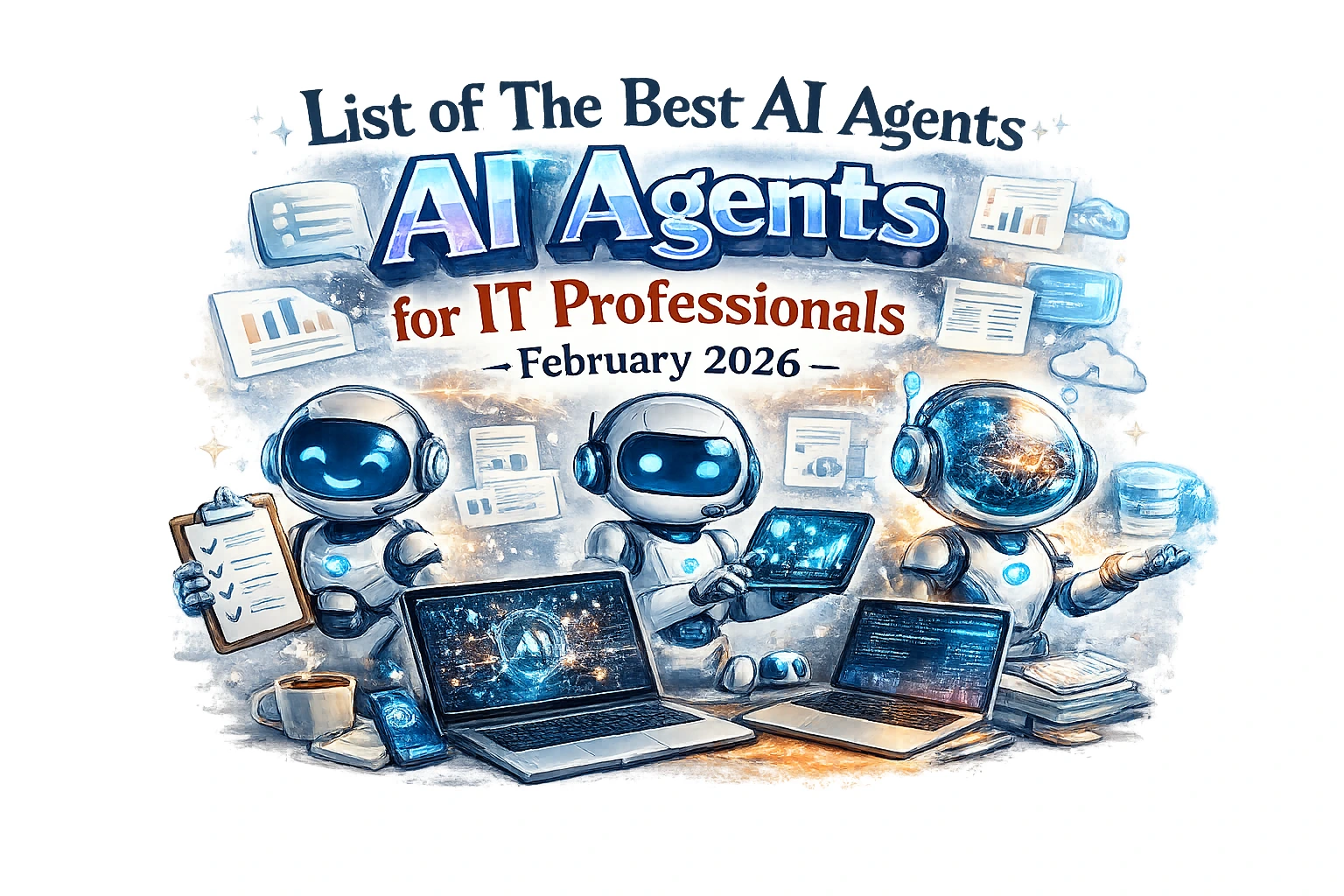
"vielversprechend" bedeutet etwas Besonderes für IT-Experten: Ein Unternehmen ist vielversprechend, wenn sein Produkt die Realität des Unternehmens überleben kann - Identitätszersiedelung, hybride Netzwerke, Compliance-Druck, eingeschränkte Budgets, Altlasten und die Notwendigkeit messbarer Ergebnisse. Im Jahr 2026 produziert das israelische Startup-Ökosystem weiterhin Unternehmen, die auf diese Zwänge bauen: Cloud-Sicherheit, die standardmäßig Multi-Cloud voraussetzt, Datenschutz, der KI als neuen Exfiltrationspfad behandelt, FinOps, der die Kostenbeteiligung zurück zum Engineering bringt, und Deep Tech, die sich schließlich als einsetzbare Infrastruktur zeigt.
Das Ziel hier ist praktisch: Geben Sie IT-Teams eine Shortlist israelischer Startups, die es wert sind, verfolgt, pilotiert oder integriert zu werden - ohne Ihre Umgebung in ein Labor zu verwandeln. Die folgenden Unternehmen umfassen Sicherheit, Cloud-Operationen, KI-Infrastruktur, Deep Tech und Operational Intelligence. Sie werden mit einem IT-Objektiv präsentiert: wie sie dazu neigen, in echte Stacks zu passen, was während eines Piloten zu validieren ist und warum sie im Jahr 2026 wichtig sind.

Unternehmen verfolgen im Jahr 2026
Dies ist ein schneller Index (kein Ranking). Details folgen für jedes Unternehmen.
- Wiz
- Cyera
- Noma Security
- Cato Netze
- Axonius
- Orca Security
- Snyk
- Armis
- Klarsichtigkeit
- Silberfortsatz
- Aporien
- Punkt 5
- Koralogix
- Buildots
- Exodigo
- Quantenmaschinen
- Hailo
- AI21 Labs
- Bria.ai
- Lightricks
- Gong
- FundGuard
- Rapyd
- Feuerstellen
Wiz
Wiz ist ein starker Bezugspunkt dafür, wo Cloud-Sicherheit im Jahr 2026 gelandet ist: schnelle Abdeckung über mehrere Cloud-Anbieter hinweg, eine Tendenz, "den Weg zur Wirkung zu finden" und Workflows, die auf dem Eigentum an Sanierung aufbauen. Für IT-Experten ist Wiz in der Regel wichtig, wenn Sie eine einheitliche Ansicht über AWS/Azure/GCP (und zunehmend SaaS- und Containerebenen) benötigen, ohne jedes Team in eine neue Toolchain zu zwingen.
Was in einem Piloten zu validieren ist: Identitätsintegration (SSO / SCIM), Cloud-Zugang mit den geringsten Privilegien, Signalqualität (reduziert oder erzeugt es Lärm) und ob die Sanierung sauber auf Ihre Ticketing- / CI-Pipelines abbildet. Die Gewinnbedingung ist nicht "mehr Ergebnisse", sondern weniger hochriskante Expositionspfade, die im Laufe der Zeit messbar sind.
Cyera
Cyera ist ein wichtiger Trend, den IT-Teams jeden Tag spüren: Daten sind überall und der schwierigste Teil der Sicherung ist die Sichtbarkeit mit dem Kontext. Data Security Posture Management (DSPM) wird zunehmend als grundlegend betrachtet – insbesondere, da KI-Tools die Art und Weise, wie sensible Daten kopiert, transformiert und geteilt werden können, vervielfachen.
Was Sie in einem Pilotprojekt validieren sollten: wie schnell es Daten über Ihren tatsächlichen Datenbestand hinweg entdeckt und klassifiziert, wie es strukturierte und unstrukturierte Speicher verarbeitet und ob es konkrete Maßnahmen (Richtliniendurchsetzung, Zugriffsverschärfung, Verschlüsselung / Aufbewahrungsausrichtung) durchführen kann, anstatt einen weiteren "Dateninventarbericht" zu erstellen, den niemand besitzt.
Noma Security
KI ist nicht mehr „eine Anwendung – es ist eine Ebene, die Identität, Daten, Endpunkte und Workflows berührt. Noma Security befindet sich im aufstrebenden Bereich der Sicherung von KI-Anwendungen und der Automatisierung im Agentenstil. Für IT-Profis ist der praktische Wert Governance: Auf welche Daten ein KI-Workflow zugreifen kann, was er exportieren kann, welche Tools er aufrufen kann und wie all das auditiert wird.
Was in einem Piloten zu validieren ist: Abdeckung über Ihren AI-Stack (Modellanbieter, Vektordatenbanken, Datenquellen, Produktivitätssuiten), Durchsetzungsoptionen (Block, Redact, Genehmigen, Überwachen) und Audit-Fidelity (können Sie einen Vorfall rekonstruieren und nachweisen, dass Kontrollen funktioniert haben). Das beste Ergebnis sind weniger „unbekannte KI-Pfade in Ihrer Umgebung.
Cato Netze
SASE ist im Jahr 2026 weniger ein Schlagwort, sondern eher ein Designmuster: Netzwerk- und Sicherheitskontrollebenen konsolidieren, sodass Remote-Arbeit, Filialverbindung und Cloud-Zugang regierbar bleiben. Cato Networks wird häufig bewertet, wenn Teams weniger Appliances, einfachere Richtliniendurchsetzung und eine konsistente Sicherheitslage für Benutzer und Websites wünschen.
Was zu validieren ist: Latenz und Benutzererfahrung, Integration mit Ihrem Identitätsstack, Segmentierungsansatz, Protokollexport in Ihren SIEM / Data Lake und das Betriebsmodell (wie Änderungen genehmigt, getestet und zurückgesetzt werden). Der SASE-Gewinn ist operative Einfachheit, ohne die Kontrolle zu verlieren.
Axonius
Sie können nicht sichern, was Sie nicht zuverlässig inventarisieren können - insbesondere mit modernen Geräteflotten, SaaS-Verbreitung und Schatten-Cloud-Assets. Axonius konzentriert sich auf Cyber-Asset-Management: Verbinden vieler Datenquellen (EDR, MDM, IAM, Cloud, Vuln-Scanner), um ein zuverlässiges Bild von "was existiert" und "was fehlt" zu erstellen.
Was zu validieren ist: Konnektortiefe für Ihre Umgebung, Datennormalisierungsqualität und ob "Asset Truth" die Automatisierung (Quarantänegeräte, Durchsetzung der MDM-Registrierung, Entfernen veralteter Konten, Schließung von Lücken) auf kontrollierte Weise vorantreiben kann.
Orca Security
Orca Security wird häufig mit agentenlosen Cloud-Sicherheitsansätzen in Verbindung gebracht, die darauf abzielen, Schwachstellen, Fehlkonfigurationen und riskante Identitäten abzudecken, ohne dass überall Endpoint-Agenten erforderlich sind. Im Jahr 2026 ist dies besonders relevant für ephemere Workloads, serverlose Komponenten und Umgebungen, in denen der Agenten-Rollout ein politischer oder technischer Engpass ist.
Was zu validieren ist: Abdeckung über Konten / Abonnements / Projekte, die Granularität der Ergebnisse, die Klarheit der Angriffspfade und wie sich die Sanierung in das Engineering-Eigentum integriert. Die richtige Plattform reduziert die Reibung und erhöht nicht nur die Sichtbarkeit.
Snyk
Die Entwicklersicherheit ist jetzt untrennbar mit der Liefergeschwindigkeit verbunden. Snyk wird häufig zum Scannen von Abhängigkeiten und Code verwendet, und die operative Herausforderung im Jahr 2026 ist nicht "können wir Probleme erkennen", sondern "können wir Probleme beheben, ohne die Lieferung zu stoppen". Für die IT ist dies von Bedeutung, da die Kosten für nachgelagerte Vorfälle durch standardsichere Pipelines reduziert werden und der Brandschutzdruck auf die Plattformteams reduziert wird.
Was zu validieren ist: Integration mit Ihren Repositories und CI, Richtlinienkontrollen (welche Blöcke werden erstellt vs. welche Warnungen) und Behebungsworkflows, die Entwickler tatsächlich akzeptieren. Ziel sind weniger wiederkehrende Hochrisikopakete und ein sinkender Rückstand, den Sie messen können.
Armis
Asset Intelligence für nicht verwaltete Geräte wird zu einer zentralen IT- und Sicherheitsanforderung: Medizinprodukte, Gebäudesysteme, IoT, Industriesensoren und "Mystery" -Geräte, die in Netzwerken auftauchen. Armis wird in diesem Zusammenhang oft diskutiert, wo das Ergebnis eine bessere Segmentierung, eine schnellere Reaktion auf Vorfälle und weniger blinde Flecken in kritischen Umgebungen ist.
Was zu validieren ist: passive Erkennungsgenauigkeit, Geräteidentifikationstiefe, Integration mit NAC/Segmentierungstools und wie schnell Sie Richtlinien operationalisieren können, ohne Geschäftsworkflows zu unterbrechen.
Klarsichtigkeit
Die OT/ICS-Sicherheit konvergiert weiterhin mit der IT-Sicherheit, aber die Betriebsbeschränkungen bleiben unterschiedlich: Sicherheit, Betriebszeit und herstellergestützte Konfigurationen begrenzen oft klassische Sicherheitskontrollen. Claroty ist ein bekannter Akteur in diesem Bereich und bleibt relevant, da immer mehr Branchen die operative Widerstandsfähigkeit als Risiko auf Vorstandsebene betrachten.
Was zu validieren ist: Bereitstellungsmodell (passiv vs. aktiv), Unterstützung für Ihre spezifischen Protokolle und Gerätefamilien, Segmentierungsstrategie und wie OT-Sichtbarkeit Ihren Incident-Response-Prozess fördert, ohne OT-Teams zu überfordern.
Silberfortsatz
Viele Unternehmen setzen immer noch auf ältere Authentifizierungsoberflächen: Dienstkonten, ältere Protokolle und Anwendungen, die nicht schnell modernisiert werden können. Silverfort wird häufig zur Stärkung der Identitätssicherheit und der MFA-Abdeckung in diesen schwerer zu kontrollierenden Bereichen evaluiert, was besonders bei Modernisierungsprogrammen und hybriden Identitätsübergängen nützlich ist.
Was zu validieren ist: Kompatibilität mit Ihrem AD / AAD-Identitätsmodell, Durchsetzungsverhalten in Edge-Fällen und Protokollierung, die Ihre Erkennungs- und Compliance-Workflows unterstützen können. Der Wert reduziert "Identitätsausnahmen", die Angreifer lieben.
Aporien
Da GenAI-Systeme in Produktion gehen, werden Überwachung und Leitplanken ebenso wichtig wie die Modellauswahl. Aporia ist im Bereich der KI-Beobachtbarkeit und -Governance tätig und hilft Teams, Drift, unsichere Ausgaben, das Risiko von Datenlecks und Zuverlässigkeitsprobleme in modellgesteuerten Diensten zu erkennen.
Was zu validieren ist: Integration mit Ihrem Inferenz-Stack und Datenpipelines, Governance-Kontrollen, die Ihrem Risikoprofil entsprechen, und ob die Überwachung an Inzidenzreaktions-Playbooks gebunden werden kann, anstatt "noch ein anderes Dashboard" zu sein.
Punkt 5
Die Cloud-Kostenoptimierung ist in die technische Verantwortlichkeit gereift. PointFive ist auf diesen Wandel ausgerichtet: Cloud-Abfall als Haltungsproblem behandeln und kontinuierliches Handeln vorantreiben, nicht einmalige Sparprojekte. Für IT-Führungskräfte ist dies wichtig, weil „Kostenarbeit oft Zuverlässigkeit und Architekturlücken aufdeckt.
Was zu validieren ist: Attributionsgenauigkeit (Teams, Services, Umgebungen), Sicherheitsmechanismen für Änderungen, Unterstützung von Kubernetes und Engagement-Strategie sowie Exportierbarkeit von Empfehlungen, damit Sie Standards durchsetzen und Ergebnisse im Laufe der Zeit verfolgen können.
Koralogix
Bei der Beobachtbarkeit im Jahr 2026 geht es darum, das Signal zu halten und gleichzeitig die Kosten zu kontrollieren. Coralogix wird oft als Log-Analytics- und Beobachtbarkeitsplattform diskutiert, bei der die IT-Herausforderung sowohl technisch als auch finanziell ist: Alles zu speichern ist teuer, aber die falschen Signale fallen zu lassen, unterbricht die Reaktion auf Vorfälle.
Was zu validieren ist: Aufnahme- und Analyseflexibilität, Alarmierung von Treue, SIEM/ITSM-Integrationen, Aufbewahrungskontrollen und ob Teams sich selbst sicher bedienen können, ohne außer Kontrolle geratene Ausgaben oder Datenchaos zu verursachen.
Buildots
Buildots ist Teil einer größeren Verschiebung: Software bewegt sich tiefer in physische Operationen. Für baulastige Unternehmen kann Construction Intelligence zu einem echten Unternehmenssystem werden – Identität, Gerätemanagement, Datenaufbewahrung, Auftragnehmerzugriff und Governance.
Was zu validieren ist: Data Governance für Site-Bilder und Telemetrie, rollenbasierter Zugriff für die Zusammenarbeit mit mehreren Organisationen, Integration in Projekttools und operative Unterstützung bei inkonsistenter Konnektivität. Der Vorteil der IT besteht darin, den „Projektstatus in messbare, überprüfbare Daten umzuwandeln.
Exodigo
Exodigo konzentriert sich auf unterirdische Kartierung und unterirdische Intelligenz - ein Beispiel dafür, dass "deployable sensing + analytics" zu einer Softwareplattform wird. Für IT-Teams schaffen diese Systeme neue Datenpipelines und Governance-Fragen: rohe Sensor-Outputs, abgeleitete Modelle, langlebige Infrastrukturaufzeichnungen und Entscheidungen, die an teure Projekte gebunden sind.
Was zu validieren ist: sichere Aufnahme und Speicherung, Zugriffskontrolle für Projekte mit mehreren Stakeholdern, Aufbewahrungsrichtlinien und wie sich Outputs in GIS/CAD-Ökosysteme und Projektmanagement integrieren. Der Wert reduziert Unsicherheit und Nacharbeit in der Infrastrukturarbeit.
Quantenmaschinen
Quantum Machines spiegelt Deep Tech wider, das immer operativer wird: die Steuerungs- und Orchestrierungsschicht zwischen Quantenhardware und klassischem Compute. Für die meisten Unternehmens-IT-Organisationen besteht die kurzfristige Relevanz nicht darin, bestehende Berechnungen zu ersetzen, sondern sich auf hybride Workflows, sicheren Zugriff auf spezialisierte Rechenumgebungen und Reproduzierbarkeitsanforderungen vorzubereiten, die modernen MLOps ähneln.
Was zu validieren ist (falls zutreffend): sichere Labor- und Forschungszugangsmodelle, Auditierbarkeit von Experimenten, Integration mit vorhandenen Identitäts- und Datentools und operative Unterstützung für hochsensible Umgebungen.
Hailo
Edge AI beschleunigt sich, da Unternehmen Inferenz aus Latenz-, Datenschutz- und Resilienzgründen näher an Geräte heranführen. Hailo ist in der Kategorie der Edge AI Prozessoren und Beschleunigung. Für IT-Experten ist die praktische Auswirkung die Architektur: Wo Inferenz läuft, wie Modelle aktualisiert werden und wie Sie Flotten von Geräten verwalten, die jetzt lokal KI ausführen.
Was zu validieren ist: Gerätelebenszyklusmanagement, sichere Update-Pfade, Telemetrie, Leistung pro Watt und ob die Software-Toolchain zu Ihrer Bereitstellungsrealität passt. Edge AI ist mächtig, wenn es nicht zu einer unpatchable Flotte wird.
AI21 Labs
AI21 Labs ist mit der Entwicklung von Grundlagenmodellen und unternehmensorientierten Sprachtools verbunden. Im Jahr 2026 liegt der Fokus der IT weniger auf Modellmystik als auf Governance: Datenverarbeitung, Isolation, Audit-Trails und die Möglichkeit, Modelldienste in Anwendungen zu integrieren, ohne auf Compliance zu verzichten.
Was zu validieren ist: Bereitstellungsoptionen, Datennutzungsgarantien, Identitäts- und Zugriffskontrolle, Beobachtbarkeit von Eingabeaufforderungen und Toolaufrufen und wie das Produkt die Durchsetzung von Richtlinien unterstützt (Redaktion, Zulassen/Verweigern-Listen, rollenbasierte Kontrollen).
Bria.ai
Generative Medien bewegen sich in Enterprise Production Workflows, was Governance und Rechtemanagement zentral macht. Bria.ai passt in die Kategorie "kontrollierte Generative", in der Unternehmen sich sowohl um Markensicherheit, Lizenzierung und Rückverfolgbarkeit als auch um kreative Ergebnisse kümmern.
Was zu validieren ist: Berechtigungsmodelle, Provenienz / Rückverfolgbarkeit, Richtlinienkontrollen und wie sich die Inhaltsgenerierung in Asset Management-Pipelines integriert. Der IT-Gewinn ermöglicht Kreativität, ohne rechtliche und sicherheitsrelevante Risiken zu schaffen.
Lightricks
Lightricks steht für die Consumer-to-Enterprise-Drift kreativer Tools: Da Teams schnell mehr Medienressourcen generieren, wird das Tooling zu einem Governance- und Collaboration-Problem, nicht nur zu einem Design-Problem. Sicherheit, Datenresidenz, Zugriffsgrenzen und Workflow-Integration werden zu IT-Verantwortlichkeiten.
Was zu validieren ist: Account-Management, Unternehmenskontrollen, Content-Handling-Richtlinien, Integration mit Collaboration- und Storage-Plattformen und wie KI-Funktionen verwaltet und geprüft werden.
Gong
Revenue-Intelligence-Plattformen wie Gong befinden sich an der Schnittstelle von Produktivität, Analyse und Compliance - insbesondere, weil sie häufig Sprach-, Transkripte, CRM-Daten und sensible Geschäftsinformationen aufnehmen. Für die IT stellt die Arbeit eine sichere Integration und eine verantwortungsvolle Aufbewahrung bei skalierter Nutzung sicher.
Was zu validieren ist: Datenspeicherung und -löschung, regionale Kontrollen, Verschlüsselungshaltung, Identitätsintegration und der Audit-Trail, wer auf Aufzeichnungen, Transkripte und abgeleitete Erkenntnisse zugreifen kann.
FundGuard
FundGuard ist ein starkes Beispiel für „automatisiertes Vertrauen im Fintech-Betrieb. Für IT-Experten ist Fintech-Automatisierung integrations- und auditlastig: Systeme müssen unter regulatorischer Kontrolle erklärbar, belastbar und sicher sein. Tools, die Kontrollen einbetten, verringern die Lücke zwischen Politik und Produktionsverhalten.
Was zu validieren ist: Identitäts- und Zugriffskontrollen, Überprüfbarkeit von Entscheidungen, Integration mit Kernsystemen, Incident-Response-Prozesse und ob die Plattform Governance unterstützt, ohne den Betrieb zu verlangsamen.
Rapyd
Die Zahlungsinfrastruktur ist eine Herausforderung für die Unternehmensintegration, die als Produkt getarnt ist. Rapyd befindet sich im globalen Zahlungs- und Fintech-Infrastrukturbereich, in dem sich IT-Teams um Zuverlässigkeit, Betrugskontrollen, Compliance-Anpassung und die Fähigkeit kümmern, Transaktionsströme durchgehend zu beobachten und zu beheben.
Was zu validieren ist: API-Fälligkeit, Rate-Limits und Resilienzmuster, Logging- und Abstimmungsunterstützung, Sandbox-zu-Produktionsparität und Kontrollen für Betrugssignale und Streit-Workflows.
Feuerstellen
Digitale Asset-Infrastruktur führt zu schnelllebigen Risiken: Schlüsselmanagement, Transaktionsgenehmigungen, Durchsetzung von Richtlinien und Prüfbarkeit. Fireblocks wird oft im Sicherheitsraum für Verwahrung und Übertragung erwähnt, wo das IT-Problem wie eine Mischung aus HSM-Governance, Identitätskontrollen und Betrugsprävention aussieht.
Was zu validieren ist: Richtlinienmodelle für Genehmigungen, Integration mit Identitätsanbietern und SOC-Workflows, Protokolltreue und Wiederherstellungsverfahren. Der Wert ist die Kontrolle irreversibler Handlungen mit Unternehmensführung.
Wie man Startups sicher in Unternehmensumgebungen bewertet
Die erfolgreichsten Piloten im Jahr 2026 haben die gleiche Form: enger Umfang, explizite Erfolgsmetriken, strenge Beobachtbarkeit und Rollback-by-Design. Beginnen Sie mit einer begrenzten Umgebung (ein Cloud-Konto, eine Geschäftseinheit, eine Datendomäne, ein Workflow). Erfordern Sie SSO/SCIM frühzeitig. Exportieren Sie Logs in Ihr zentrales System. Bestätigen Sie die geringsten Privilegien und dokumentieren Sie genau, welcher Zugriff gewährt wird.
Definieren Sie das Ergebnis in operativen Begriffen. Sicherheitspiloten sollten die Expositionspfade reduzieren, die durchschnittliche Zeit zur Behebung verkürzen oder die Abdeckung kritischer Vermögenswerte messbar verbessern. FinOps-Piloten sollten Engineering-eigene Änderungen produzieren, die Einsparungen dauerhaft halten. KI-Governance-Piloten sollten überprüfbare Leitplanken erstellen, die Datenlecks verhindern und unbekanntes KI-Verhalten in der Produktion reduzieren.
"vielversprechend" wird "nützlich", wenn das Tool zu Ihrem Betriebsmodell passt: Änderungskontrolle, Richtliniendurchsetzung, Auditbereitschaft und Reaktion auf Vorfälle. Die oben genannten Unternehmen sind es wert, verfolgt zu werden, weil sie dazu neigen, sich an diesen Realitäten auszurichten - und weil ihre Kategorien den Problemen entsprechen, die IT-Teams im Jahr 2026 tatsächlich zu lösen versuchen.


 13416
13416  IT Pro