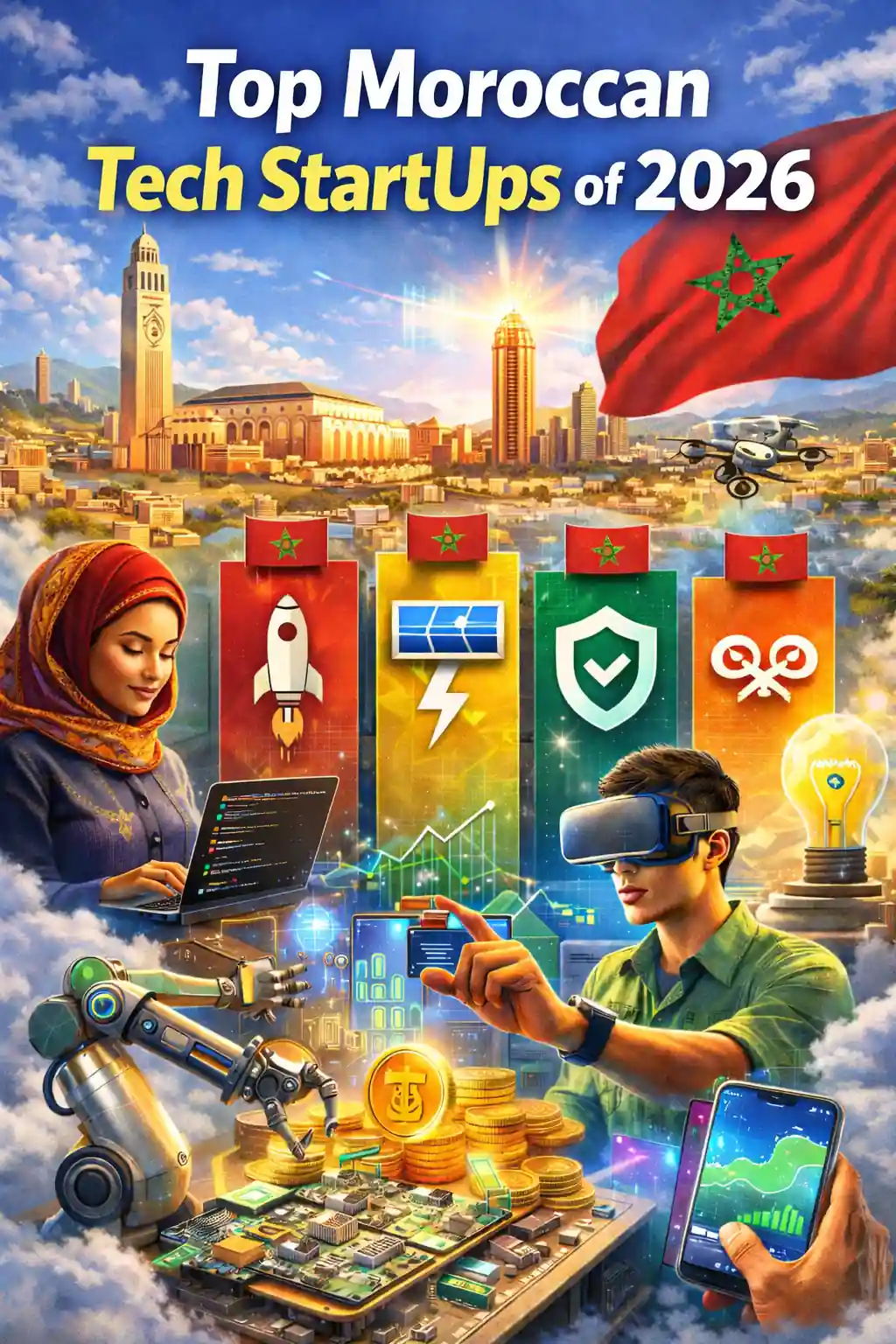
Marokkos Startup-Szene im Jahr 2026 "taucht" nicht mehr im höflichen, vagen Sinne auf - sie ist operativ. Sie können es an der Art von Unternehmen sehen, die aufgebaut werden: Plattformen, die regulierte Workflows (Zahlungen, digitales Vertrauen, Gesundheitswesen), Produkte, die in die unordentliche Logistik der realen Welt integriert werden müssen, und Software, die davon ausgeht, dass Unternehmenskäufer Sicherheit, Beobachtbarkeit und vorhersehbare SLAs verlangen. Für IT-Profis ist dies die interessante Phase: Teams bewegen sich von Prototypen zu Produktionssystemen, und die technischen Entscheidungen beginnen sich zu zeigen.
Dieser Artikel hebt marokkanische Startups hervor, die sich im Jahr 2026 auszeichnen, weil sie in Bereichen tätig sind, in denen die Ausführung von Bedeutung ist: Fintech-Operationen, Last-Mile und Fracht, Proptech-Daten, E-Health-Workflows und KI-gesteuerte Infrastrukturüberwachung. Das Ziel ist kein Hype - es ist eine praktische Karte, wer was baut und was das für Architekten, Sicherheitsteams, SREs und Plattformingenieure bedeutet.
Wie diese Startups ausgewählt wurden
Die folgenden Unternehmen werden einbezogen, weil sie mindestens eines der folgenden „Produktionssignale zeigen, die für IT-Teams von Bedeutung sind: messbare Traktion in Marokko, ein Produkt, das auf Integrationen (APIs, Steckverbinder, Partnerschienen), Aktivitäten in regulierten oder operativ komplexen Räumen oder glaubwürdige Impulse wie Finanzierungsrunden, Akquisitionen oder Partnerschaften basiert. Mit anderen Worten: Dies sind Unternehmen, in denen Software echte Benutzer, echte Compliance und echte Uptime-Erwartungen überleben muss.
Sie werden auch ein Muster bemerken: Viele dieser Startups bauen effektiv "Infrastruktur für die Industrie" auf. Das bedeutet Integrationsarbeit, Datenqualität, Identitäts- und Zugriffskontrollen, Audit-Trails und die Art der Betriebsreife, die Unternehmenskunden benötigen.
PayTic
PayTic konzentriert sich auf Zahlungsvorgänge für Kartenherausgeber - ein Bereich, den viele Teams unterschätzen, bis die Abstimmung um 2 Uhr morgens unterbrochen wird. Sein Kernwert für die IT ist die Automatisierung von Backoffice-Workflows, die traditionell über Tabellenkalkulationen, manuelle Steuerungen und fragile Skripte abgewickelt werden. Für Architekten ist der überzeugende Blickwinkel die Übereinstimmung des Produkts mit modernen „Kontrollebenen-Mustern: Zentralisierung des Betriebszustands, Durchsetzung von Workflows und Generierung auditfähiger Beweise, ohne dass Teams gezwungen werden, eine interne Toolchain von Grund auf neu zu erstellen.
Wenn Sie in einem Bank-, Fintech- oder Zahlungsunternehmen tätig sind, erinnert PayTic daran, dass die schwierigste Arbeit selten die Transaktion selbst ist; es ist alles um sie herum: Ausnahmebehandlung, Regeländerungen, Streitflüsse, Abrechnungsmapping und die Sicherheitsgrenzen zwischen Betrieb und Engineering. Bewerten Sie Anbieter wie diese auf die gleiche Weise, wie Sie interne Plattformen bewerten: API-Reife, RBAC-Granularität, Protokollierungs- / Exportfähigkeiten und wie sie mit Datenspeicherungs- und Compliance-Anforderungen in allen Regionen umgehen.
Chari
Chari befindet sich an der Kreuzung von B2B-Commerce und Fintech und bedient Proximity-Einzelhändler mit Bestellung, Lieferung und Finanzdienstleistungen. Was es für IT-Experten relevant macht, ist die Kombination eines Commerce-Workflows (Kataloge, Verfügbarkeit, Lieferversprechen) mit Finanzschienen (Zahlungen und andere Dienstleistungen). Diese Mischung zwingt Produktteams, Identitäts-, Risiko- und Zuverlässigkeitsherausforderungen zu lösen, die es im „reinen E-Commerce nicht gibt.
Aus systemischer Sicht werden hier verteilte Operationen real: Multi-Tenant-Händlerdaten, Transaktionsintegrität über Bestell- und Zahlungszyklen hinweg und ereignisgesteuerte Workflows, die auch dann konsistent bleiben müssen, wenn das Netzwerk es nicht ist. Wenn Ihr Unternehmen B2B-Marktplätze oder Embedded Finance aufbaut, sind die Lektionen übertragbar: Behandeln Sie Operations Tooling als erstklassiges Produkt, entwerfen Sie idempotente Flüsse und bauen Sie Beobachtbarkeit auf, die Geschäftsanwender verstehen können.
ORA-Technologien
ORA Technologies positioniert sich in Bezug auf digitale Inklusion und verbraucherorientierte Dienstleistungen, beginnend mit der Lieferung von Lebensmitteln und der Expansion in einen breiteren E-Commerce. Für IT-Teams ist der interessante Teil, wie schnell Lieferplattformen zu Multi-Service-Ökosystemen werden: Händler-Onboarding, Katalogeinnahme, Versandoptimierung, Kundensupport-Tools und Zahlungen. Jede Schicht führt neue Integrationspunkte und neue Fehlermodi ein.
Wenn Sie bereits Marktplatzsysteme erstellt haben, erkennen Sie die wichtigsten technischen Einschränkungen: Echtzeitzustand (Treiber, Bestellungen, ETAs), Betrugsbekämpfungssignale, Datenschutz und die ständige Spannung zwischen Feature-Geschwindigkeit und Plattformstabilität. Konzentrieren Sie sich bei der Bewertung von ORA-Plattformen als Partner auf Integrationsoberflächen (Webhooks, APIs), den Datenexport und den Umgang mit der Incident-Kommunikation. Das Unternehmen mag "Verbraucher" aussehen, aber die Technologie verhält sich wie eine kritische Infrastruktur.
Cathedis
Cathedis ist eine Logistik- und E-Lieferplattform für E-Commerce-Warehousing und Last-Mile-Workflows. Diese Kategorie ist trügerisch schwierig: Die Software muss die chaotische physische Realität in einen genauen digitalen Zustand übersetzen. Tracking-Ereignisse kommen spät oder außer Betrieb, Cash-on-Delivery führt zu einer komplexen Abstimmung und die Leistung des Carriers variiert je nach Route und Saison.
Für IT-Profis ist Cathedis ein starkes Beispiel für "Integration-First" -Produktdesign: Konnektoren, APIs, Live-Tracking und operative Dashboards können die Einführung bewirken oder unterbrechen. Wenn Ihre Organisation Fulfillment durchführt oder von Lieferpartnern abhängt, achten Sie darauf, wie Anbieter Ereignisströme aufdecken, wie sie COD in Einklang bringen und ob sie robuste Ausnahme-Workflows unterstützen, anstatt Menschen in Chat-Threads und Tabellenkalkulation zu zwingen.
Freterium
Freterium arbeitet im Transportmanagement - wo Optimierungsalgorithmen auf die reale Welt von Flotten, Drittanbietern und kurzfristigen Routenwechseln treffen. Die IT-Mitnahme ist, dass TMS-Plattformen zu Integrations-Hubs werden: ERP, WMS, Telematik, Treiber-Apps, Kundenportale und Analytics-Stacks. Der Erfolg hängt weniger von einem einzelnen Merkmal ab als von Interoperabilität, Datenmodellen und wie anmutig das System mit partieller Konnektivität umgeht.
Wenn Sie für Supply-Chain-Software verantwortlich sind, erinnert die Freterium-Domäne daran, "kontinuierliche Planung" anstelle von statischen Zeitplänen zu entwerfen. Bewerten Sie, wie eine Plattform Signale aufnimmt, wieder optimiert und Entscheidungen erklärt. Für Sicherheitsteams ist auch die Überwachung der Zugriffssegmentierung erforderlich: Transportdaten können sensible kommerzielle Informationen aufdecken, und es müssen konsistente Multi-Tenant-Grenzen für Dashboards, Exporte und APIs durchgesetzt werden.
Damanesign
Damanesign lebt im digitalen Vertrauen: elektronische Signaturen und konformes Transaktionsmanagement. Für IT-Profis ist dies eine der praktischsten Kategorien im marokkanischen Ökosystem, da sie echte Geschäftsprozesse berührt: Auftragsvergabegenehmigungen, HR-Dokumentation, Kundenvereinbarungen und jeden Prozess, bei dem die Auditierbarkeit nicht optional ist.
Die technischen Fragen, die Sie sich stellen sollten, sind überall dieselben: Identitätsprüfungsmethoden, Signaturstandards, Protokollintegrität, Schlüsselmanagementstrategie, Integrationsmuster (nur API vs. Portal) und wie die Plattform die Langzeitvalidierung unterstützt. Wenn Sie regulierte Systeme betreiben, behandeln Sie Anbieter von E-Signaturen wie Sicherheitsanbieter: Erfordern klare Kontrollen, Aufbewahrungsrichtlinien und eine Vorfallshaltung, der Sie vertrauen können.
DabaDoc
DabaDoc hilft, den Zugang zur Gesundheitsversorgung zu digitalisieren, Patienten mit Praktikern zu verbinden und Termin-Workflows zu optimieren. Für IT-Teams ist das Gesundheitswesen der ultimative "Workflow + Datenschutz" -Test: Identität, Zustimmung, Datenverarbeitung und Zuverlässigkeit sind von Bedeutung, und die Plattform muss über Geräte und Konnektivitätsbedingungen hinweg funktionieren.
Wenn Sie sich Healthtech-Plattformen wie DabaDoc ansehen, sollten Sie sich darauf konzentrieren, wie sie Datengrenzen behandeln: Was ist patienteneigen im Vergleich zu Anbietern, wie Datensätze gesichert sind und wie Audit-Trails gepflegt werden. Wenn sich Ihre Organisation in Gesundheitsdienstleister integriert, fragen Sie nach Interoperabilität (Exportformate, Integrationsoptionen), Verfügbarkeitsgarantien und Kontrollen für den rollenbasierten Zugang auf Klinikebene.
Sobrus
Sobrus entwickelt Cloud-Management-Tools für Gesundheitsakteure wie Apotheken und Labore. Dieser "unsexy" Umfang ist genau der Grund, warum es wichtig ist: Die Digitalisierung von Inventar-, Abrechnungs- und Labor-Workflows erfordert robuste Datenmodelle, Berechtigungen und operative Belastbarkeit. Diese Systeme werden zu täglichen Abhängigkeiten, bei denen Ausfallzeiten sofort störend sind.
Für IT-Experten liegt der Wert im operativen Design: Multi-Site-Support, Offline-Toleranz bei Bedarf, Migrationspfade aus Legacy-Tools und vorhersehbare Update-Zyklen, die den Klinikbetrieb nicht unterbrechen. Wenn Sie jemals versucht haben, Line-of-Business-Apps zu modernisieren, wissen Sie, dass die eigentliche Arbeit Change Management plus Integration ist. Plattformen wie Sobrus zeigen, wie Produktteams diese Komplexität in einsetzbare Dienste verpacken können.
Agenz
Agenz ist eine datengesteuerte Proptech-Plattform, die Echtzeit-Immobilienbewertungen und Marktinformationen in Marokko bietet. Was dies für die IT interessant macht, ist nicht nur die Benutzeroberfläche - es ist das Data Engineering. Immobiliendaten sind fragmentiert, laut und politisch sensibel; Gebäudebewertungen erfordern sorgfältige Pipelines, Modellverwaltung und Transparenz über Vertrauen und Drift.
Wenn Sie in Analytics oder ML-Ops arbeiten, ist Proptech eine praktische Fallstudie in "Modell trifft Marktplatz". Fragen Sie, wie Bewertungsmodelle umgeschult werden, welche Datenquellen verwendet werden und wie die Plattform den Endbenutzern die Ergebnisse erklärt. Berücksichtigen Sie auch Sicherheit und Privatsphäre: Immobiliendatensätze können persönliche Muster aufdecken, und Zugangskontrollen müssen bewusst sein, insbesondere wenn Tools von mehreren Parteien während eines Transaktionslebenszyklus verwendet werden.
Yakey
Yakeey hat Marokkos Proptech-Umschlag mit einem transaktionaleren Ansatz vorangetrieben, einschließlich Sofortkaufkonzepten und digitalisierten Reisen. Für IT-Teams ist die zentrale Herausforderung die Orchestrierung über Partner hinweg: Banken, Bewertungslogik, rechtliche Schritte, Identitätsprüfung und Kundenkommunikation. Das bedeutet, zuverlässige Workflows aufzubauen, bei denen jeder Schritt sowohl technisch als auch rechtlich sinnvoll ist.
Wenn Sie Plattformen betreiben, die mehrere Institutionen koordinieren, betrachten Sie Yakeey-Systeme durch die Linse der "Workflow-Integrität". Sie wollen Rückverfolgbarkeit von Entscheidungen, klare Zustandsübergänge und ein Design, das sich sicher von Teilfehlern erholen kann. Die besten Systeme in dieser Kategorie verhalten sich wie Enterprise-Service-Busse mit modernen APIs: Sie integrieren sich sauber, legen Audit-Trails offen und behalten die Kontrolle des Bedieners, wenn die Automatisierung mehrdeutig wird.
marKoub.ma
marKoub.ma modernisiert das Busticketing und die Entdeckung von Intercity-Reisen in Marokko. Mobilitätsplattformen sehen einfach aus, bis Sie sich in ältere Betreiber integrieren: inkonsistente Zeitpläne, begrenzte Digitalisierung, mehrere Zahlungsmethoden und Kundenerwartungen, die von globalen Reise-Apps geprägt sind.
Für IT-Profis ist dies ein solides Beispiel für „Digitalisierung als Middleware. Die Plattform muss alte Workflows mit modernen Schnittstellen verpacken, ohne die tatsächlichen Einschränkungen des Betreibers zu durchbrechen. Wenn Sie Reisesysteme erstellen oder verwalten, achten Sie darauf, wie Plattformen mit Verfügbarkeit, Stornierungen, Rückerstattungen und Tools für den Kundensupport umgehen. Zuverlässigkeit und Transparenz sind hier wichtig, da Ausfälle für Endbenutzer sofort sichtbar sind.
ATLAN-Weltraum
ATLAN Der Weltraum baut KI-Fähigkeiten für autonome und übersichtliche Drohnenmissionen auf, die auf Anwendungsfälle wie Umweltüberwachung und Anomalieerkennung abzielen. Dies ist Deep Tech, bei dem "Software" Randbeschränkungen enthält: eingebettete Systeme, intermittierende Konnektivität, kostengünstige Fehlermodi und Sicherheitsanforderungen.
Für IT-Teams geht es bei den übertragbaren Lektionen um Architektur am Rande: Telemetrie-Pipelines, Flottenmanagement, sichere OTA-Updates und Modellbereitstellungsstrategien, die Bandbreite und Zuverlässigkeit berücksichtigen. Wenn Ihr Unternehmen in Edge AI umzieht - Industrieinspektion, Versorgungsunternehmen, Häfen, Landwirtschaft - erinnert die Domäne von ATLAN Space daran, dass ML-Ops nicht nur ein Cloud-Problem sind. Es ist ein systemtechnisches Problem mit Sicherheitsimplikationen von der Geräteidentität bis hin zu signierten Updates.
Inyad
Inyad richtet sich an kleine und mittlere Unternehmen mit Tools, die den täglichen Betrieb unterstützen - Point-of-Sale, Management-Workflows und damit verbundene Funktionen. Für IT-Profis sind SMB-Plattformen ein Testgelände für Usability plus Zuverlässigkeit: Das Produkt muss für nicht-technische Benutzer auf bescheidener Hardware unter inkonsistenter Konnektivität funktionieren und gleichzeitig genaue Finanz- und Betriebsdaten erzeugen.
Die technische Herausforderung ist das Lifecycle-Management: sichere Updates, rückwärtskompatible Datenmodelle und Integrationen mit Zahlungen, Reporting und potenziell steuerlichen oder buchhalterischen Workflows. Wenn Ihr Team interne Tools für verteilte Unternehmen (Einzelhandelsketten, Franchise-Unternehmen, Servicenetzwerke) erstellt, gelten die gleichen Designprinzipien: Halten Sie Workflows einfach, Protokolle verständlich und Fehlerwiederherstellung sicher und geführt.
SLE3TI
SLE3TI betreibt einen B2B-Marktplatz, der FMCG-Händler und -Lieferanten verbindet und die Beschaffung für Tausende von kleinen Geschäften digitalisiert. Diese Skalierung erzwingt operative Exzellenz: Kataloghygiene, Preislogik, Fulfillment-Koordination und Kundensupport-Workflows, die nicht unter Randfällen zusammenbrechen.
Für IT-Profis sind Marktplätze wie diese eine Klinik für Datennormalisierung und ereignisgesteuertes Design. Das Geschäft hängt vom genauen Produkt- und Bestandszustand ab, aber das Angebot in der realen Welt ist selten sauber. Beobachten Sie, wie Plattformen SKUs modellieren, Substitutionen handhaben, Lieferungen abgleichen und Berichte bereitstellen, denen Händler vertrauen können. Wenn Sie Beschaffungsplattformen erstellen, besteht der Unterschied zwischen "Works in einer Demo" und "Works in Production" in der Regel in der Qualität der Ausnahmebehandlung und der operativen Tools.
Evollume.com
Evollume positioniert sich als digitale Handelsinfrastrukturplattform, die den grenzüberschreitenden Handel ermöglicht und Handelsworkflows zu einem einheitlicheren Erlebnis kombiniert. Handel ist ein Bereich mit hoher Reibung: Dokumentation, Compliance, Logistikkoordination und Zahlungen müssen aufeinander abgestimmt werden.
Für IT-Profis lautet die Überschrift Orchestrierung und Vertrauen: sichere Dokumentenverarbeitung, Identitätsprüfungen, Workflow-Zustand und Integrationen mit Logistikpartnern. Wenn Ihre Organisation am Import / Export teilnimmt, können Anbieterplattformen in dieser Kategorie die "unsichtbare Steuer" der manuellen Koordination reduzieren. Bewerten Sie sie auf Auditierbarkeit, Datenexport, API-Reife und wie sie sensible Dokumentation von allgemeinen Handelsdaten trennen.
LNKO
LNKO ist eine marokkanische Brillenmarke, die mit einem Digital-First-Go-to-Market entwickelt wurde und D2C-Commerce mit Omnichannel-Einzelhandelspräsenz verbindet. Während Verbrauchermarken möglicherweise weniger "IT" fühlen, ist das Engineering sehr real: Bestandssynchronisation, Erfüllungsgenauigkeit, Kundenidentität, Marketingzuordnung und die Dateninstallation, die Storefronts mit Backoffice-Systemen verbindet.
Für IT-Experten, die den Einzelhandel und E-Commerce unterstützen, erinnern LNKO-Unternehmen daran, dass der Stack ein Betriebssystem ist: ERP-Integrationen, Retouren-Workflows, Betrugskontrollen und Kundensupport-Tools. Wenn Sie Plattformen für Privatkunden auswählen, priorisieren Sie Systeme, die die Omnichannel-Realität anmutig handhaben: einheitliches Inventar, konsistente Kundenprofile und eine Analyseebene, die nicht liegt, wenn sich Kanäle überschneiden.
Praktische Takeaways für IT-Profis
Marokkos interessanteste Startups im Jahr 2026 haben eine gemeinsame Eigenschaft: Sie sind integrationslastig. Ob Zahlungsvorgänge, Liefernetzwerke, Proptech-Bewertung oder Workflows im Gesundheitswesen, das Produkt ist selten "eine App". Es ist ein System, das Partner koordinieren, Vertrauensgrenzen durchsetzen und unter Stress beobachtbar bleiben muss.
Wenn Sie eines dieser Startups als Anbieter, Partner oder Referenzarchitektur bewerten, halten Sie Ihre Checkliste auf der Grundlage: Identitäts- und Zugriffskontrollen, Audit-Trails, Vorfallshaltung, Datenexport, API- und Webhook-Stabilität und eine klare Geschichte für die Compliance. Fragen Sie, wie sie mit Teilfehlern umgehen, wie sie bahnbrechende Änderungen kommunizieren und wie sie operative Teams unterstützen, die in Dashboards und nicht in Code leben.
Für Bauherren gibt es auch eine strategische Lektion: Die hebelstärksten Produkte im Jahr 2026 sind diejenigen, die die betriebliche Entropie reduzieren. Die oben genannten Unternehmen gewinnen, indem sie harte Workflows zur Routine machen - indem sie komplexe, fehleranfällige Prozesse in wiederholbare, überwachte Systeme verwandeln. Genau hier schafft gutes Engineering dauerhaften Geschäftswert.
Abschlussperspektive
Wenn Sie als IT-Experte das Ökosystem Marokkos beobachten, ist 2026 eine nützliche Momentaufnahme: Startups bauen zunehmend in Kategorien auf, in denen Vertrauen, Verfügbarkeit und Integration wichtiger sind als Marketing. Das ist ein gutes Signal. Es bedeutet, dass das Ökosystem Unternehmen hervorbringt, die sich an echte Unternehmen anschließen, die Beschaffungsprüfung überleben und über die Early Adopters hinausgehen können.
Behalten Sie das Bindegewebe im Auge: Zahlungsvorgänge, Logistikkoordination, digitales Vertrauen und Datenplattformen. Hier bilden sich tendenziell die nachhaltigsten Infrastrukturunternehmen und marokkanische Startups zeigen wachsende Reife.


 12984
12984  IT Pro