مقدمة
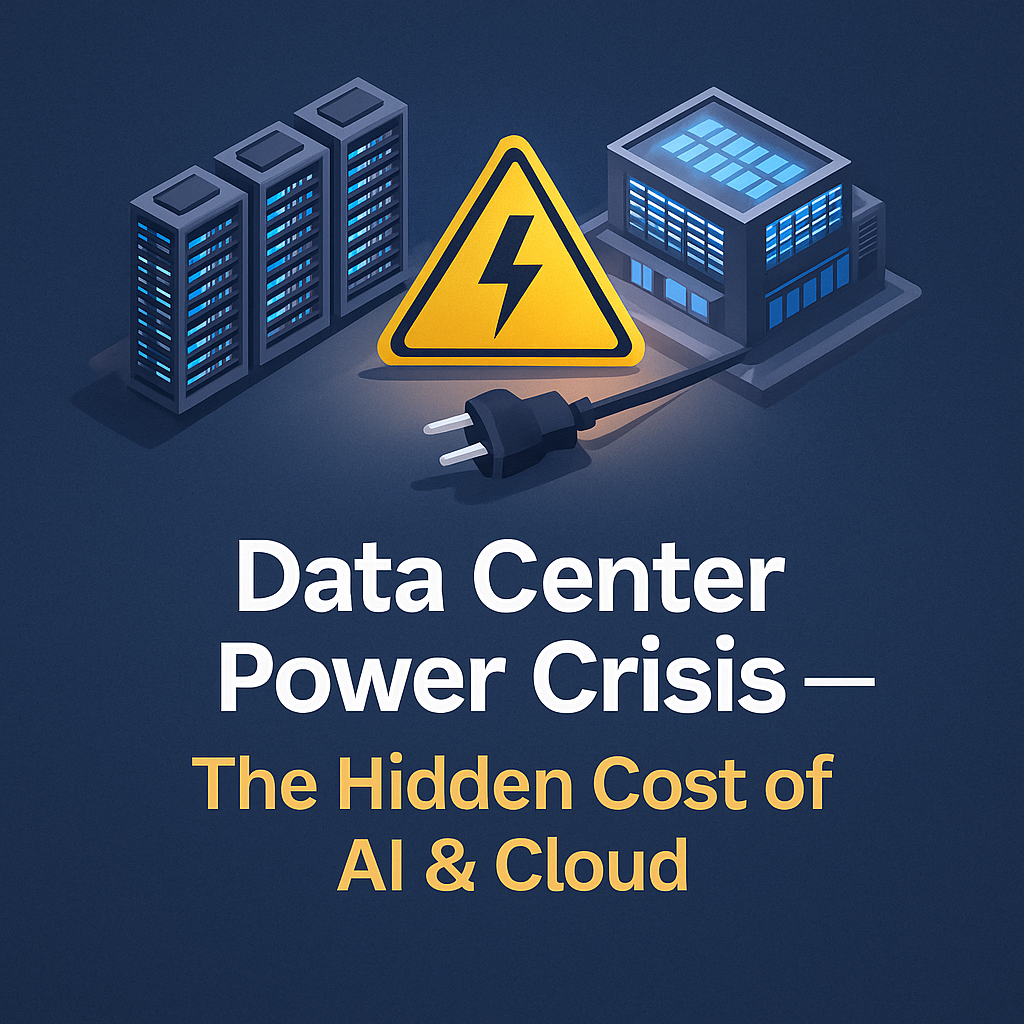
أدى صعود الحوسبة السحابية والذكاء الاصطناعي إلى تحول كبير في البنية التحتية التي تدعم الاقتصاد الرقمي. ما يبقى في كثير من الأحيان مخبأة وراء الإثارة المجتمعية من "الذكاء الاصطناعي في كل مكان" و "في كل مكان سحابة" هو هائلة. الطاقة و البنية التحتية للطاقة العبء الذي تفرضه مراكز البيانات الحديثة الآن. في هذه المقالة أدرس "أزمة الطاقة" الناشئة في مراكز البيانات - ما هو عليه ، ولماذا يحدث ، وما هي تكاليفه (الاقتصادية والبيئية والاجتماعية) ، وما يعنيه بالنسبة للمنظمات (بما في ذلك تلك التي تدير أعباء عمل ثقيلة مثل GPU / CPU القياس ، الافتراضية والبنية التحتية السحابية عالية الأداء).
حجم المشكلة ،
1-1 استهلاك الكهرباء على نطاق عالمي
-
وفقًا لوكالة الطاقة الدولية (IEA) ، فإن استهلاك الكهرباء العالمي من مراكز البيانات موجود حاليًا. 415 تيراواط/ساعة حوالي 1.5٪ من استهلاك الكهرباء العالمي في عام 2024. وكالة الطاقة الدولية22 متواجدوزارة الطاقة Energy.gov22 متواجد
-
وتشير التوقعات إلى أن هذا يمكن أن مزدوج بحلول عام 2030 (إلى 945 تيراواط ساعة) في سيناريو الحالة الأساسية للوكالة الدولية للطاقة – وهو ما يمثل أقل بقليل من 3٪ من الاستهلاك العالمي للكهرباء في ذلك الوقت. وكالة الطاقة الدولية***** 1 عدد
-
في الولايات المتحدة ، على سبيل المثال ، احترقت مراكز البيانات من خلال h 183 TWh في 2024 ( of 4٪ من استهلاك الكهرباء في الولايات المتحدة) ومن المتوقع أن يتضاعف هذا بحلول 2030 (إلى 26 426 TWh). مركز بيو للأبحاث***** 1 عدد
1-2 النمو السريع لأعباء عمل الذكاء الاصطناعي
-
النمو ليس فقط من "المزيد من مراكز البيانات" ولكن من أعباء العمل المتسارعة - مجموعات وحدات معالجة الرسومات/وحدات معالجة النقاط، تدريب كبير على نموذج اللغة، الاستدلال على نطاق واسع. بالنسبة للخوادم المتسارعة (الخاصة بالذكاء الاصطناعي) ، تتوقع وكالة الطاقة الدولية نموًا بنسبة 30٪ سنويًا مقابل 9٪ للخوادم التقليدية. وكالة الطاقة الدولية
-
تقرير من جولدمان ساكس مشاريع مركز بيانات الطلب العالمي على الطاقة بنسبة تصل إلى 165% بنهاية العقد (بالمقارنة مع عام 2023) مدفوعة بشكل كبير بالذكاء الاصطناعي والبنية التحتية السحابية. جولدمان ساكس
-
في الولايات المتحدة، مورغان ستانلي يحذر من نقص الطاقة ما يصل إلى 20٪ لمراكز البيانات حتى عام 2028 ، مدفوعة ببناء الذكاء الاصطناعي هذا. ياهو المالية
1.3 الآثار المترتبة على شبكات الطاقة والبنية التحتية
-
مع ارتفاع الطلب ، يزداد الضغط على النقل والتوليد والجمود الشبكي والمرافق المحلية. على سبيل المثال ، ترى العديد من الولايات والمرافق بالفعل مجموعات مراكز البيانات التي تتطلب ترقيات للمحطات الفرعية وربط الشبكات. معهد الموارد العالمية***** 1 عدد
-
وفي بعض المناطق، تستهلك مراكز البيانات بالفعل حصصاً كبيرة من إمدادات الكهرباء المحلية - الأمر الذي يؤثر على الأسر المحلية والصناعة وتخطيط البنية التحتية. مركز بيو للأبحاث
لماذا يحدث هذا: السائقون
2.1 الذكاء الاصطناعي الفائق وعبء العمل السحابي
-
التحول إلى الذكاء الاصطناعي التوليدي ، والتدريب على النموذج الكبير ، والاستدلال على نطاق واسع (في الوقت الحقيقي ، 24/7) يفرض أعلى بكثير كثافة الطاقة من الأجيال السابقة من أعباء العمل الخادم. على سبيل المثال ، قد يسحب حامل الخادم الفائق الذي يضم العديد من وحدات معالجة الرسومات عشرات الكيلووات بدلاً من القليل. أركسيف***** 1 عدد
-
وبسبب وفورات الحجم والحاجة إلى الأداء، فإن هذه المرافق غالبا ما تدفع مغلف التبريد، وتسليم الطاقة، والتكرار، ووقت التشغيل - وكلها تزيد من التكلفة والتعقيد.
2.2 القياس والتجميع على أساس الموقع
-
ويتجمع العديد من مراكز البيانات في مناطق ذات ظروف مواتية (مثل انخفاض تكلفة الطاقة والمناخ البارد والحوافز الضريبية). ولكن مثل هذا التجمع يخلق الإجهاد الموضعي على الشبكة - حتى لو كانت الصورة العالمية قد تبدو قابلة للإدارة. مركز بيو للأبحاث
-
البنية التحتية لدعم هذه المواقع الكبيرة - محطات الطاقة الفرعية والمحولات عالية السعة وخطوط النقل الطويلة - غالباً ما تتخلف عن وتيرة البناء.
2.3 عدم كفاءة الطاقة والتبريد النفقات العامة
-
ما وراء سحب الطاقة الحسابية ، تذهب حصة كبيرة من كهرباء مركز البيانات إلى التبريد والتهوية وخسائر توزيع الطاقة..... كلما زادت كثافة الطاقة في المنشأة ، زادت النفقات الإضافية. مركز بيو للأبحاث***** 1 عدد
-
يمكن أن تستهلك بعض أنظمة التبريد ما يصل إلى 30٪ (أو أكثر) من إجمالي طاقة مركز البيانات في مرافق أقل كفاءة. تقلل تلك ذات الكفاءة العالية من هذا ، ولكن مع زيادة الكثافة ، ترتفع متطلبات التبريد. مركز بيو للأبحاث
2-4 التكامل المتجدد والتحديات المتقطعة
-
يهدف العديد من المشغلين إلى استخدام الطاقة المتجددة (الرياح / الطاقة الشمسية) أو حتى الطاقة النووية لتشغيل مراكز البيانات الخاصة بهم. غير أن مصادر الطاقة المتجددة متقطع، ومتطلبات في الوقت الحقيقي من حساب منظمة العفو الدولية غالبا ما تتطلب طاقة مستقرة وعالية الجودة. تبلغ المرافق عن فترات زمنية طويلة لإضافة سعة أو خطوط نقل ، والسماح المعقد ، وصعوبة مواءمة مصادر الطاقة المتجددة مع الحمل. بيزنس إنسايدر
-
ومن ثم، فإن العديد من المرافق لا تزال تعتمد في الممارسة العملية على النسخ الاحتياطي للوقود الأحفوري أو الطاقة الشبكية من المصادر التقليدية - الأمر الذي يثير الانبعاثات ويعقد روايات الاستدامة.
التكاليف الخفية - ما وراء فاتورة الخادم
3.1 العوامل الاقتصادية / تكلفة الشبكة الخارجية
-
عندما تتطلب مراكز البيانات أجزاء كبيرة من سعة الشبكة ، غالبًا ما يتم تمرير تكلفة ترقيات المرافق (التوليد ، النقل ، المحطات الفرعية) إلى العملاء الآخرين المنازل والشركات الصغيرة. على سبيل المثال ، تشهد الأسر في بعض الولايات الأمريكية فواتير أعلى لأن المرافق يجب أن ترفع الأسعار لتغطية تغييرات البنية التحتية. مركز بيو للأبحاث***** 1 عدد
-
في المناطق التي تكون فيها سعة الشبكة ضيقة ، يمكن أن تمتد أوقات الانتظار لربط مراكز البيانات لسنوات - مما يؤدي إلى تأخير إطلاق الأعمال أو إجبار النقل. ملق
3.2 الآثار البيئية وآثار الكربون
-
ولا تزال مراكز البيانات التي تعمل بالكهرباء تأتي إلى حد كبير من الوقود الأحفوري في العديد من المناطق. إذا تضاعف الاستخدام ولم تتوسع مصادر الطاقة المتجددة وفقًا لذلك ، فسترتفع الانبعاثات. بعض التوسعات في مراكز البيانات تخاطر بإغلاق البنية التحتية المعتمدة على الوقود الأحفوري لسنوات. فاينانشال تايمز***** 1 عدد
-
تستخدم البنية التحتية للتبريد والطاقة المياه (خاصة التبريد التبخيري) - مما يعني أن مراكز البيانات في المناطق التي تعاني من الإجهاد المائي تخلق ضغوط بيئية ثانوية..... ويكيبيديا
3-3 المنافسة على تكلفة الفرص والبنية التحتية
-
يمكن أن تخدم موارد الأرض والطاقة والمياه والتبريد التي تستخدمها مراكز البيانات العملاقة التصنيع أو المجتمعات المحلية أو الشركات الصغيرة. وهذا يثير تساؤلات حول الأسهم الإقليميةخاصة إذا كانت المزايا المحلية (الوظائف والإيرادات الضريبية) محدودة بالنسبة إلى استهلاك الموارد.
-
بالنسبة للشركات التي تعتمد على سير العمل المكثف للطاقة (على سبيل المثال ، القياس المستند إلى GPU ، والمحاكاة الافتراضية عالية الإنتاجية) ، قد يؤدي التنافس المتزايد على الطاقة والتبريد إلى:
-
ارتفاع تكلفة استضافة / سحابة حساب
-
مهلة أطول للقدرة
-
إمكانية وصول أقل إلى البنية التحتية "المميزة" للطاقة / الكمون المنخفض
-
3.4 مخاطر الموثوقية والمرونة
-
فالشبكات ذات الحمولة الزائدة أو شبه السعة قد تقلل من الركود ، وتقلل من المرونة في حالات الفشل أو الطقس القاسي ، وفرصة أكبر في التخلف أو تقليل التكرار. على حد سواء لمراكز البيانات نفسها و للبنية التحتية المحيطة (المنازل والمستشفيات وغيرها). المرافق تحذر بالفعل من نقاط التوتر هذه. بيزنس إنسايدر***** 1 عدد
ماذا يعني لأحمال العمل الثقيلة: المقارنة المعيارية والمحاكاة الافتراضية والبنية السحابية
نظرًا لتركيزك على معايير GPU / CPU ، والمحاكاة الافتراضية ، والتعبئة والنشر الهجين / السحابي ، فإن بُعد الطاقة والبنية التحتية له أهمية متزايدة. إليك كيف:
4-1 يتعين أن تتضمن الأطر المرجعية تكلفة الهياكل الأساسية
-
عند تصميم أجنحة القياس أو مداخن المحاكاة الافتراضية (على سبيل المثال ، تفريغ GPU ، مجموعات متعددة العقد ، المحاكاة الافتراضية باستخدام VMware / VirtualBox ، خطوط أنابيب الاستدلال AI) ، لا تفكر فقط في مقاييس الحوسبة الخام (GFLOPS ، عرض النطاق الترددي) ولكن أيضًا تكلفة الطاقة ، والتبريد العلوي ، وكفاءة الطاقة لكل وظيفة.....
-
بالنسبة لعمليات النشر السحابية (على سبيل المثال ، على Microsoft Azure / AWS / GCP) ، تتأثر التكلفة بشكل متزايد بقيود البنية التحتية الأساسية (الطاقة والتبريد) - والتي قد تؤثر على التسعير والتوافر والأداء.
4-2 الآثار المترتبة على المحاكاة الافتراضية والحساب المختلط
-
إذا كنت تقوم بنشر نماذج سحابة هجينة أو على أرض الواقع (على سبيل المثال ، Windows VMs ، GPU / CPU خارج التحميل من المربعات المحلية إلى السحابة) ، فستحتاج إلى تقييم تكلفة هامشية و بصمة الطاقة من تلك القفزات مركز البيانات. قد تكون بعض أعباء العمل أكثر كفاءة محليًا (اعتمادًا على تكلفة التبريد / الطاقة) من السحابة إذا تم استضافتها في منطقة ذات طاقة محدودة.
-
التنظيم الافتراضي يحتاج إلى مراقبة حصص الطاقة، وخاصة في بيئات متعددة المستأجر / hyperscale. قد يحتاج جدولة عبء العمل إلى اختيار الأوقات / المواقع عندما تكون معدلات الطاقة / التوافر مواتية.
4-3 أهمية الخيارات الجغرافية وخيارات مصادر الطاقة
-
عند اختيار المناطق السحابية أو مراكز البيانات للنشر، مزيج مصدر الطاقة، قدرة الشبكة ، مخاطر تصاعد تكلفة الطاقة ، مسائل بيئة التبريد. قد يكون لبعض المناطق خطر كامن من نقص الطاقة أو ارتفاع التكلفة في المستقبل بسبب اختراق مركز البيانات.
-
على سبيل المثال ، قد تواجه منطقة مركز البيانات ذات هامش توليد احتياطي منخفض زيادات في الأسعار أو تقليصها. قد يؤثر ذلك على اتفاقيات مستوى الخدمة والتكلفة وأداء أعباء العمل الثقيلة.
4.4 الاستدامة وزاوية التسويق
-
إذا نشرت نتائج القياس أو المقالات أو الوحدات النمطية (كما تفعل في كثير من الأحيان) ، فقد تصبح إضافة بُعد الطاقة / الكفاءة (على سبيل المثال ، "X GFLOPS لكل كيلوواط ساعة في هذه المنطقة") اهتمامًا لجمهورك - خاصة مع نمو الضغط البيئي.
-
لمجتمعك من محترفي تكنولوجيا المعلومات وعشاق الأداء ، مع تسليط الضوء تكلفة الطاقة لكل مهمة،، كفاءة التبريد،، سحب طاقة الخادم لكل معياريضيف متمايز.
استراتيجيات للتخفيف من حدة الأزمة
فيما يلي بعض الاستراتيجيات القابلة للتنفيذ على المستوى الكلي (الصناعة / المنفعة) والجزئي (المؤسسة / النشر).
5-1 على مستوى الصناعة / المنفعة
-
برامج الاستجابة للطلبيمكن لمراكز البيانات الكبيرة المشاركة في مخططات استجابة الطلب على الشبكة (تقليل الحمل أثناء القمم) لتخفيف إجهاد الشبكة. على سبيل المثال ، وقعت Google LLC اتفاقيات في الولايات المتحدة لتقليص استخدام الطاقة في مركز البيانات AI أثناء ذروة الطلب على الشبكة. رويترز
-
الاستثمار في الشبكة والنقل: لدعم البناء التدريجي ، تحتاج المرافق إلى إضافة طاقة توليد وخطوط نقل ومحطات فرعية - غالبًا ما تكون عملية تستغرق عقودًا. التأخير هنا يزيد من خطر الاختناقات. ديلويت
-
مصادر الطاقة الخضراء grid microgridsيمكن لمراكز البيانات الحصول على مصادر متجددة أو بناء توليد في الموقع أو تخزين البطارية أو الشبكات الصغيرة لتقليل الاعتماد على الشبكات المتوترة.
-
الشفافية وإعداد التقارير: يحتاج المشغلون إلى الإبلاغ عن الاستخدام الفعلي للطاقة ، ومقاييس التبريد ، و PUE (فعالية استخدام الطاقة) ، وما إلى ذلك ، للسماح للمنظمين والمجتمعات بتقييم التأثير. العديد من المحللين يدعون عدم الكشف. فاينانشال تايمز
5-2 على مستوى النشر/المؤسسة
-
اختر المنطقة ومصدر الطاقة بعناية: اختر مناطق مراكز البيانات ذات سعة الشبكة الجيدة ومعدلات الطاقة المواتية والمزيج القوي من الطاقة المتجددة وانخفاض مخاطر القيود.
-
تحسين جدولة عبء العمل: لأعباء العمل الثقيلة (تشغيل المعيار ، تدريب النموذج) ، والجدول الزمني خلال ساعات خارج الذروة أو عندما تكون تكلفة الطاقة أقل. استخدم الاختلافات الإقليمية في التكلفة / الوقت.
-
السلطة واعية القياس والتصميم المعماري: قياس ليس فقط حساب الوقت، ولكن الطاقة المستهلكة (كيلوواط ساعة) لكل معيار. تحسين الطاقة لكل نتيجة ، وليس فقط لسرعة الخام.
-
التبريد وتحسين الكفاءة: بالنسبة لعمليات النشر على الطراز أو الحافة ، فكر في التبريد عالي الكفاءة ، والتبريد السائل ، والمقايضات ذات الكثافة ، واختيار الخادم لكفاءة الطاقة.
-
استكشاف البدائل الهجينة / الحافة: في السيناريوهات التي قد تواجه فيها مراكز البيانات السحابية قيودًا أو تكلفة أعلى ، قد تكون الحوسبة المحلية أو حساب الحافة مقايضة أفضل.
المخاطر والتوقعات
6-1 ماذا لو استمر النمو دون رادع؟
-
محللون يحذرون من نقص قدرة الشبكةخاصة في المناطق كثيفة الاستخدام للطاقة. إن تقدير مورجان ستانلي لنقص 20% في طاقة مركز البيانات في الولايات المتحدة حتى عام 2028 هو مؤشر واقعي. ياهو المالية
-
إذا ظلت الطاقة مقيدة ، فإن المخاطر المحتملة تشمل:
-
ارتفاع التكلفة التشغيلية (ارتفاع أسعار الطاقة)
-
-
فترات زمنية أطول لنشر مراكز البيانات
-
تقليصات أو قيود أكثر تواترا على أعباء العمل الكثيفة الحوسبة
-
تباطؤ إطلاق البنية التحتية للذكاء الاصطناعي (على عكس توقعات النمو الوردي)
-
من المحتمل أن تكون البصمة البيئية أعلى إذا تم استخدام الوقود الأحفوري لسد الثغرات
6.2 التوقعات الإيجابية / روافع التغيير
-
مكاسب الكفاءة: حتى مع ارتفاع الطلب على الحوسبة ، يمكن أن تؤدي التحسينات في بنية الرقائق والتبريد وجدولة عبء العمل إلى اعتدال نمو الطاقة.
-
بناء الطاقة المتجددة والنووية: وقعت بعض شركات التكنولوجيا الكبرى بالفعل اتفاقيات لشراء الطاقة مع مصادر الطاقة المتجددة النووية أو واسعة النطاق لمواكبة ذلك. على سبيل المثال، يتم إقران بعض مراكز البيانات بمحطات نووية تم إحياؤها لتلبية الطلب. لوموند
-
تكامل الشبكة أكثر ذكاء: قد تصبح مراكز البيانات أحمالًا مرنة ، وتحول الحساب إلى الأوقات التي تكون فيها الطاقة رخيصة أو مصادر الطاقة المتجددة وفيرة (الاستجابة للطلب).
-
المقاييس والشفافية: وبما أن أصحاب المصلحة (الحكومات والمستثمرين والمجتمعات المحلية) يطرحون المزيد من الأسئلة، فمن المرجح أن تنشر مراكز البيانات المزيد من مقاييس الطاقة / التبريد - مما يتيح تخطيطًا أكثر ذكاءً وقياسًا.
الإجراءات الموصى بها لك ولجمهورك
نظرًا لاهتمامك وعملك في القياس ، والمحاكاة الافتراضية ، والتعبئة ، ومحتوى مجتمع تكنولوجيا المعلومات ، إليك إجراءات محددة قد تفكر فيها:
-
تضمين مقياس الطاقة في تقارير القياس الخاصة بك
-
عند تشغيل معايير GPU / CPU ، لا تلتقط "وقت التشغيل" فحسب ، بل "الطاقة المستهلكة (kWh)" وحساب "GFLOPS لكل kWh" أو مقياس كفاءة مماثل.
-
مقارنة السحب / المناطق المختلفة ليس فقط على التكلفة ولكن على كفاءة الطاقة.
-
-
كتابة محتوى لموقعك / المنتدى
-
قم بصياغة مقال أو سلسلة بعنوان "تكلفة الطاقة لحساب السحابة: ما يجب أن يعرفه كل محترف في تكنولوجيا المعلومات" - قيود الطاقة الشخصية ، إجهاد الشبكة الإقليمية ، مخاوف التبريد ، مخاطر التكلفة.
-
-
تقديم دليل "اختيار منطقة السحابة حسب القوة والأداء" الذي يكمل المحتوى الآخر الذي يركز على الأداء / الافتراضية.
-
المحاكاة الافتراضية وحالات الاستخدام الهجين
-
استكشف كيف يقارن تفريغ وحدة معالجة الرسومات / وحدة المعالجة المركزية (حساب GPU الخاص بك مع GTX 770 Quad Quadro K420 ، وما إلى ذلك) بين الطاقة مقابل استخدام مجموعة سحابية فائقة الحجم في منطقة مقيدة.
-
نشر دراسات الحالة أو الأدوات (على سبيل المثال ، Power Profiler ، المكون الإضافي لقياس طاقة مجموعة GPU) لمجتمعك.
-
-
اعتبارات التعبئة والنشر
-
عند تصميم الوحدات / الإضافات / التطبيقات (على سبيل المثال ، وحدات Joomla الخاصة بك ، وتطبيقات GPU / AI المعيارية) ، فكر في إضافة خيارات "الوضع البيئي": على سبيل المثال ، جدولة الوظائف خلال ساعات الذروة ، الخانق لخفض سحب الطاقة ، سجل مقاييس استهلاك الطاقة.
-
-
بالنسبة للمحاكاة الافتراضية (VMware / VirtualBox ، إلخ) ، قم بتوثيق أفضل الممارسات لتقليل قوة السحب ، على سبيل المثال ، تجنب الإفراط في توفير ، وتوحيد أعباء العمل الخاملة ، وتمكين ميزات طاقة التبريد / المضيف.
-
التعامل مع شفافية مقدمي الخدمات السحابية
-
تتبع مزودي السحابة / مركز البيانات الذين ينشرون المقاييس (PUE ، مزيج الطاقة ، استخدام المياه) ويسلطون الضوء عليها في المحتوى الخاص بك.
-
شجّع أعضاء المجتمع المحلي على السؤال: "ما هو مصدر الطاقة في هذه المنطقة؟ ما هي قدرة الشبكة الاحتياطية؟ هل هناك حصص السلطة / وقف المخاطر؟ "
-
الخلاصة
التكلفة الخفية للسحابة والذكاء الاصطناعي ليست فقط الدولارات المدفوعة في رسوم الاشتراك - إنها عبء ضخم ومتسارع على الطاقة والبنية التحتية التي تكمن وراء كل تلك "دورات الحساب". مراكز البيانات لم تعد غرف خلفية سلبية للإنترنت ؛ هم عملاء الطاقة على نطاق صناعي الذي ينطوي نموه على آثار بعيدة المدى على المرافق والشبكات والأسر والصناعات والبيئة - وعلى محترفي تكنولوجيا المعلومات الموجهين نحو الأداء مثلك.
الأزمة (أو ربما التحدي) حقيقية: الطلب المتزايد ، العرض المقيد ، شبكات الشيخوخة ، التبريد والأعباء البيئية كلها تشير إلى الحاجة إلى تخطيط أكثر مسؤولية،، نشر الوعي الإقليمي،، بنية موفرة للطاقة، و مقاييس شفافة..... بالنسبة لأي شخص يبني أعباء عمل ثقيلة - قياس GPU / CPU ، المحاكاة الافتراضية ، وحدات التعبئة والتغليف ، عمليات النشر السحابية - لم يعد من الممكن تجاهل هذا البعد.

 12965
12965  IT Pro