- التفاصيل
- كتب بواسطة: IT Pro
- المجموعة: Blog
- الزيارات: 3737
جملة جاهزة HTML المادة (بدون ترقيم). ترجمات: 36pt، نص الجسم: 18pt
بالنسبة لمحترفي تكنولوجيا المعلومات ، فإن مناقشة "iPhone vs Android" في عام 2026 لا تتعلق حقًا بأي هاتف يلتقط صورًا أفضل أو أي واجهة مستخدم تبدو أجمل. تظهر الاختلافات الحقيقية حيث تتقاطع الأساطيل والهويات والبيانات والامتثال: التسجيل ، وإنفاذ السياسات ، وتواتر التصحيح ، والوصول الآمن ، والتحكم في التطبيق ، وتسجيل الدخول ، وكيف يتصرف كل ذلك في أيدي المستخدمين الذين سيجدون حالات الحافة تمامًا. في البيئات الناضجة ، يمكن إدارة كلا النظامين بشكل جيد. الفجوة موجودة في كيف باستمرار تتصرف كل منصة وفقًا للسياسة ، ومدى سرعة تلقيها تحديثات الأمان عبر القاعدة المثبتة ، ومدى إمكانية التنبؤ بها عند دمجها في الوصول إلى Zero Trust والمصادقة الشرطية.
تبحث هذه المقالة في الاختلافات العملية التي لا تزال مهمة في عام 2026 ، مع افتراض أنك توازن تجربة المستخدم مع الموقف الأمني ، والنفقات التشغيلية ، وتعقيد التكامل.
لقد تحرك النقاش: إنه الآن حول التنبؤ التشغيلي
قبل عقد من الزمان ، كان "iPhone vs Android" عبارة عن قائمة مرجعية للميزات. في عام 2026 ، كانت المحادثة حول إمكانية التنبؤ..... تعني إمكانية التنبؤ أن عناصر التحكم تعمل بنفس الطريقة عبر الأجهزة وإصدارات نظام التشغيل ونماذج الأجهزة. وهذا يعني أن السياسة التي تنشرها يوم الاثنين لا يجب أن "تترجم" إلى خمسة تطبيقات محددة للبائعين بحلول يوم الجمعة. وهذا يعني أيضًا أن إعلان الثغرات الأمنية لا يؤدي إلى ظهور ذيل طويل من الأجهزة غير المثبتة على أنظمة التشغيل القديمة لأن مسار التحديث يعتمد على موافقات الناقل أو جداول OEM.
الفرق العملي هو: تميل بيئات iPhone إلى أن تكون أكثر اتساقًا في نشر نظام التشغيل وسلوك السياسة ، في حين أن بيئات Android يمكن أن تكون أكثر مرونة وتنوعًا ، ولكنها تتطلب غالبًا المزيد من الاهتمام بمزيج الجهاز والجداول الزمنية للبائع والانجراف التكوين.
الهوية والوصول المشروط ومشكلة "إشارة الثقة"
في تصاميم Zero Trust ، لم تعد الأجهزة المحمولة "نقاط نهاية فقط". إنهم أيضًا وسطاء هوية وخزائن رمزية: يتعاملون مع مطالبات MFA ، ومفاتيح المرور ، وشهادات الجهاز ، وتدفقات المصادقة التي تتيح الوصول إلى التطبيقات السحابية والموارد الداخلية. في عام 2026 ، تعامل معظم المؤسسات صحة الجهاز والامتثال كإشارة ثقة من الدرجة الأولى: إذا كان الجهاز خارج الامتثال ، يتم تخفيض الجلسة أو حظرها.
الفرق الحقيقي هو كيف موثوق بها يمكن لكل منصة تقديم تلك الإشارات إلى IdP الخاص بك ومكدس الإنفاذ. غالبًا ما تكون عمليات نشر iPhone أبسط من الأساس: تقليل عمليات تبديل الأجهزة ، وقصة تحديث نظام التشغيل أكثر وضوحًا ، وتراكبات OEM أقل ، وأجزاء متحركة أقل في "ما يعتبر متوافقًا". يمكن أن يكون نظام Android قويًا بنفس القدر ، خاصة في برامج المؤسسات المحددة جيدًا وكتالوجات الأجهزة المنسقة ، ولكنه يصبح أكثر صعوبة عندما يتوسع BYOD ويصبح الأسطول ذيلًا طويلًا من النماذج ذات مستويات تصحيح الأمان المختلطة.
إذا كنت تبني سياسات تعتمد على التصديق أو فحص الموقف أو إشارات سلامة الجهاز ، فاطرح سؤالًا تشغيليًا صريحًا: كم عدد الأجهزة في أسطول Android الخاص بنا على الحد الأدنى من مستوى التصحيح المدعوم في غضون 30 يومًا من الإصدار؟ اسأل الشيء نفسه عن iPhone. هذا الدلتا، وليس المطالبات التسويقية، هو المكان الذي يحمل نموذج الأمن الخاص بك أو تسرب.
تصحيح الإيقاع والذيل الطويل: الخطر ليس "أندرويد" ، إنه تجزؤ
"الروبوت غير آمن" هو اتخاذ كسول. والبيان الأكثر دقة هو: التجزؤ يزيد من المخاطر التشغيلية..... في عام 2026 ، يعد أمان Android ممتازًا على الأجهزة الحديثة مع التحديثات في الوقت المناسب والأمان القوي المدعوم بالأجهزة. المشكلة هي واقع الأسطول: مزيج من البائعين والنماذج وشركات النقل ووحدات SKU الإقليمية. قد يختلف إيقاع تصحيح الأمان وتوافر إصدار نظام التشغيل وحتى التكافؤ في الميزات.
عادة ما يكون لبيئات iPhone توزيع أكثر تشددًا حول إصدارات نظام التشغيل الحالية. بالنسبة لفرق الأمن ، هذا مهم لأنه يقلل من "الذيل الطويل" للأجهزة التي لا يمكن ترقيتها بسرعة. في الاستجابة للحوادث ، الوقت هو مورد. إذا كان عليك حساب عشرة قطارات OS وسلوكيات متعددة خاصة بالموردين ، فإن ردك يصبح أبطأ وينخفض اليقين.
وبالنسبة لتكنولوجيا المعلومات، فإن الزاوية القابلة للتنفيذ هي المشتريات وتصميم السياسات. إذا كنت تسمح بـ Android على نطاق واسع ، فحدد كتالوج جهاز مدعوم أظهر التزامات التحديث. إذا سمحت لنظام Android بأن يكون BYOD نقيًا ، فتقبل أنك تتداول توحيد الأسطول لاختيار المستخدم ، وتخفيف مع وصول مشروط أكثر صرامة ، وضوابط على مستوى التطبيق ، وحدود بيانات أقوى.
مدم / إم حقيقة: نفس مربع الاختيار لا يعني دائما نفس النتيجة
على الورق ، يمكن لأجنحة MDM / EMM الحديثة إدارة كلا النظامين: فرض تعقيد رمز المرور ، وتكوين Wi-Fi / VPN ، ونشر الشهادات ، وتقييد المشاركة ، وإدارة التطبيقات ، والتحكم في سلوك تحديث نظام التشغيل إلى حد ما. من الناحية العملية ، تعتمد موثوقية هذه الضوابط على كيفية كشف نظام التشغيل لواجهات برمجة التطبيقات الإدارية ومدى اتساق النظام الأساسي.
غالبًا ما تتعلق إدارة iPhone باختيار نموذج التسجيل الصحيح (المملوك للشركات مقابل BYOD) ، ثم تطبيق السياسات التي تتصرف باستمرار عبر الأجهزة. يمكن أن تكون إدارة Android ذات قدرة عالية ، خاصة على الأجهزة المملوكة للشركات مع ميزات مؤسسية قوية ، ولكنها تتطلب المزيد من الاهتمام بدعم طراز الجهاز ، والاختلافات OEM ، وحلول المستخدم.
في عام 2026 ، السؤال التشغيلي الذي يجب طرحه على فريقك ليس "هل يمكننا تحديد السياسة؟" ولكن "هل يمكننا إثبات أنها تبقى ثابتة؟" هذا هو الفرق بين خانة الاختيار الامتثال والتحكم يمكنك الدفاع خلال التدقيق.
حدود البيانات: الحاويات مقابل الفصل الأول للمنصة
تظل BYOD شائعة ، وتقدم BYOD دائمًا نفس التوتر: تحتاج إلى حماية بيانات الشركات دون معالجة الأجهزة الشخصية مثل ممتلكات الشركات. في عام 2026 ، تعتمد معظم المنظمات على مزيج من حماية على مستوى التطبيق،، ملامح العمل / حاويات، و الوصول المشروط بدلا من التحكم الكامل في الجهاز.
يمكن أن يكون مفهوم "ملف تعريف العمل" في Android مقنعًا جدًا لـ BYOD لأنه يوفر فصلًا واضحًا بين التطبيقات الشخصية وتطبيقات العمل والبيانات. غالبًا ما تركز أساليب iPhone على التطبيقات المدارة والحسابات المدارة وقيود مشاركة البيانات التي تحافظ على بيانات العمل داخل التطبيقات المعتمدة. كلاهما يمكن أن تعمل بشكل جيد. الفرق الحقيقي هو كيف يختبر المستخدمون ذلك وكيف تمنع الحدود بشكل موثوق تسرب البيانات إلى قنوات غير مدارة.
إذا كانت مؤسستك تعتمد بشكل كبير على تطبيقات التعاون ومشاركة الملفات والرسائل ، فغالبًا ما تأتي المخاطر من "النسخ / اللصق" و "الفتح" والنسخ الاحتياطي للسحابة الشخصية ولوحات مفاتيح الجهات الخارجية. الفرق في النظام الأساسي الذي يهم هو الذي يتيح لك تنفيذ عناصر التحكم بأقل عدد من الاستثناءات وأقل احتكاك للمستخدم.
الوصول الآمن: VPN لم يعد الافتراضي
في عام 2026 ، أصبح VPN كامل النفق على الهاتف المحمول هو الاستثناء وليس القاعدة. تعد الشبكات الافتراضية الخاصة الخاصة بالتطبيق ، والتوجيه لكل تطبيق ، وسماسرة الوصول الخاص ، والوكلاء الذين يدركون الهوية أكثر شيوعًا لأنها تقلل من نصف قطر الانفجار وتبسط السياسة. الوصول إلى الهاتف المحمول هو الآن في الغالب حول مراقبة الدورة و أقل امتيازلا يتعلق الأمر بوضع الهاتف "على الشبكة المحلية. "
الفرق بين iPhone و Android هنا يميل إلى أن يكون أقل فلسفية وأكثر عملية: سهولة تكوين المصادقة المستندة إلى الشهادة ، واستقرار ملفات تعريف VPN ، واتساق السلوك عبر الأسطول. إذا كان مكدس الوصول الخاص بك يعتمد على شهادات الجهاز ، والعملات الرقمية الحديثة ، وإشارات الموقف الضيق ، فإن النظام الأساسي الذي يسهل توحيده سيقلل من حجم التذكرة ويقلل من "الفشل الغامض". "
النظم الإيكولوجية للتطبيق: التحكم ومخاطر سلسلة التوريد وتكنولوجيا المعلومات الظل
مخاطر التطبيق في عام 2026 هي أقل حول "البرمجيات الخبيثة" بالمعنى القديم وأكثر حول مخاطر سلسلة التوريد، والأذونات المفرطة، SDKs محفوفة بالمخاطر، وتسرب البيانات من خلال تطبيقات تبدو مشروعة تماما. تعتمد فرق تكنولوجيا المعلومات بشكل متزايد قوائم السماح وكتالوجات التطبيقات الخاصة وتسجيل مخاطر التطبيقات - خاصة بالنسبة للأجهزة التي تصل إلى الأنظمة الحساسة.
غالبًا ما تستفيد بيئات iPhone من قصة توزيع أكثر مركزية وقاعدة مستخدم معتادة على عدد أقل من مسارات التثبيت. يمكن لبيئات Android ، اعتمادًا على السياسة ، تقديم المزيد من المسارات لتثبيت التطبيقات والمزيد من التباين في كيفية تصرف التطبيقات عبر الأجهزة. هذا لا يعني أن Android غير قابل للإدارة ؛ هذا يعني أنه يجب أن تكون متعمدًا بشأن مصادر التثبيت المسموح بها وكيفية مراقبة سلوك التطبيق.
بالنسبة إلى المنظمات عالية الحساسية ، فإن الاستراتيجية الأكثر عملية بسيطة: تعامل مع تطبيقات الجوال مثل SaaS التابعة لجهات خارجية. حدد مجموعتك المعتمدة ، وتحقق من معالجة البيانات الخاصة بهم ، وفرض التكوينات المدارة حيثما أمكن ، ومراقبة الانجراف.
الخصوصية والقياس عن بعد: ما يمكنك رؤيته وما يجب أن تراه
غالبًا ما يتم جذب محترفي تكنولوجيا المعلومات إلى مناقشات الخصوصية ، خاصة مع BYOD. في الواقع ، الخصوصية هي مشكلة في التصميم: تحديد ما هو القياس عن بعد ضروري للأمن ، وجعله شفافًا ، وتقليل التجميع كلما أمكن ذلك. يمكن أن يؤثر اختيار النظام الأساسي على مقدار ما يمكنك جمعه ، وكيف تجمعه ، وكيف يشعر المستخدمون بالراحة.
الفرق العملي هو أن بعض المنظمات تجد أنه من الأسهل الحفاظ على وضع "الحد الأدنى من الرؤية ولكن سيطرة قوية على بيانات العمل" على منصة واحدة مقارنة بالأخرى ، اعتمادًا على نموذج MDM المستخدم وشهية المنظمة للتنفيذ على مستوى الجهاز. أفضل وضعية لديك هي تلك التي سيقبلها المستخدمون - لأن السياسة المرفوضة تصبح عدم امتثال ، ويصبح عدم الامتثال خطرًا.
أمن الأجهزة: قوي على حد سواء ، وسائط فشل مختلفة
الأمن المدعوم بالأجهزة ، والجيوب الآمنة ، والتنفيذ الموثوق به ، وأنظمة القياسات الحيوية القوية شائعة على أجهزة iPhone الحديثة وأجهزة Android الرئيسية في عام 2026. الاختلافات ليست حول ما إذا كانت الأجهزة الآمنة موجودة - يفعلون. الاختلافات هي حول أوضاع الفشل: ما يحدث في الذيل الطويل للأجهزة الأرخص ، وكيف يقوم مصنعو المعدات الأصلية بتنفيذ الميزات ، ومدى استمرار المنصة في تقديم عمليات افتراضية آمنة.
بالنسبة لتكنولوجيا المعلومات ، المفتاح هو محاذاة مستوى الجهاز إلى مستوى البيانات. إذا كان المستخدمون يصلون إلى بيانات حساسة ، فلا تعامل "أي هاتف" على أنه مكافئ. تعيين الحد الأدنى من متطلبات الأجهزة ونظام التشغيل ، وفرض التشفير ، وتتطلب القياسات الحيوية وطرق فتح قوية ، واستخدام إشارات التصديق لمنع الحالات الخطرة.
التراسل والتعاون: قفل المنصة المخفية
تقلل العديد من المؤسسات من تقدير مدى تأثر "اختيار النظام الأساسي" بعادات التعاون: الدردشات الجماعية ومشاركة الملفات وسير عمل التقويم وكيفية نقل المستخدمين للمحتوى بين التطبيقات. في عام 2026 ، تظهر الحالات الأكثر حدة في المجموعات عبر المنصات والتعاون الخارجي - حيث يصبح اختلاف UX صغيرًا مشكلة دعم تتكرر آلاف المرات.
يتمثل النهج الصديق لتكنولوجيا المعلومات في توحيد أدوات التعاون عبر المنصات ، وتحديد القنوات الرسمية لبيانات الشركات ، وتقييد مشاركة البيانات في التطبيقات غير المدارة. ستفوز المنصة التي تنتج تذاكر دعم أقل للتعاون اليومي في العالم الحقيقي ، بغض النظر عن أوراق المواصفات.
زاوية المطور والأتمتة: الاختصارات ، البرمجة النصية ، وتدفقات العمل في المؤسسة
تعمل فرق تكنولوجيا المعلومات بشكل متزايد على أتمتة سير العمل المحمول: التأهيل ، وتسليم الملف الشخصي ، ودوران الشهادة ، وتكوين VPN ، والتسجيل بدون كلمة مرور ، ومعالجة الامتثال للجهاز. الفرق الأساسي الذي يهم هو الذي يدعم الأتمتة مع عدد أقل من "الحالات الخاصة". "
إذا كانت بيئتك تستخدم شهادات الجهاز ، وتدفقات SSO ، وتكوينات التطبيق المدارة ، فاختبر على نطاق واسع. نجاح المختبر ليس نجاح الأسطول. يمكن أن تتحول حفنة من موافقات "الأعمال على هاتفي" إلى فوضى تشغيلية عندما يتضمن الأسطول إصدارات نظام تشغيل متعددة وبائعين.
الدعم: التذاكر واستكشاف الأخطاء وإصلاحها والمساعدة عن بعد
تقاس التكلفة اليومية للمنصة بحجم التذكرة والوقت اللازم للحل. في عام 2026 ، لا تزال تذاكر الجوّال الأكثر شيوعًا مملة ولا تزال باهظة الثمن: فشل التسجيل ، ومطالبات MFA بعدم الوصول ، وقضايا الشهادات ، وتكوينات Wi-Fi و VPN الخاطئة ، وتعطل التطبيق بعد تحديثات نظام التشغيل ، و "لا يمكنني الوصول إلى هذا الملف بعد الآن. "
غالبًا ما تعمل أساطيل iPhone على تبسيط استكشاف الأخطاء وإصلاحها نظرًا لوجود عدد أقل من عمليات تبديل الأجهزة وسلوك تحديث نظام التشغيل أكثر اتساقًا. يمكن أن تكون أساطيل Android فعالة أيضًا ، خاصةً إذا قمت بتوحيد مجموعة صغيرة من النماذج وإدارتها بإحكام. تظهر المشاكل عندما يصبح "Android" فئة شاملة بما في ذلك الأجهزة التي تتصرف بشكل مختلف بموجب نفس السياسة.
خدعة عملية: قم بقياس فئات التذاكر العشرة الأولى الخاصة بك ومعرفة المنصة التي تهيمن على كل فئة. دع هذه البيانات ، وليس تفضيل الفريق ، توجه التوحيد والمشتريات.
الموقف الأمني: السؤال الحقيقي هو كيف تفرض "جيد بما فيه الكفاية"
لا تحتاج معظم المؤسسات إلى أمان متنقل "مثالي". إنهم بحاجة جيدة بما فيه الكفاية ، فرضت باستمرار..... تصبح مناقشة النظام الأساسي ذات مغزى عندما تحدد ما تعنيه "جيد بما فيه الكفاية" لنموذج التهديد الخاص بك: فتح قوي ، والتشفير ، والترقيع السريع ، وإشارات سلامة الجهاز ، والتطبيقات المدارة للبيانات الحساسة ، وحركة البيانات المقيدة ، ومسح offboarding.
ستفوز المنصة التي تساعدك على تلبية تلك المتطلبات بأقل احتكاك تشغيلي في الممارسة العملية. في بعض الأحيان يكون هذا iPhone ، لأن التوحيد يقلل من الاستثناءات. في بعض الأحيان يكون Android ، لأن حاوية المؤسسة وتنوع الأجهزة يمكن أن يتناسبا مع بيئات معينة بشكل أفضل. الجواب في كثير من الأحيان ليس "إما / أو" ولكن "أي واحد هو الافتراضي لدينا، وما هي متطلباتنا الصارمة للآخر. "
استراتيجية الشراء: توحيد حيث يهم ، فليكس حيث لا
في عام 2026 ، غالبًا ما تبدو استراتيجية الهاتف المحمول القوية على هذا النحو: اختيار منصة افتراضية لمعظم المستخدمين ، والحفاظ على قائمة النماذج المدعومة قصيرة ، وتحديد موقف أكثر صرامة للأدوار ذات المخاطر العالية. ثم اسمح بالمرونة فقط عندما لا تقوض عناصر التحكم الخاصة بك.
إذا كنت تدعم كلا النظامين على نطاق واسع ، فأنت تختار التعقيد. هذا جيد - العديد من المنظمات تفعل ذلك بنجاح - ولكن التعامل معها كقرار بتكلفة حقيقية. وقت الميزانية للاختبار الخاص بالمنصة وضبط السياسة وتعليم المستخدم. تحدث أكبر الإخفاقات عندما تقول القيادة "دعم كل شيء" مع توفير الموارد للبرنامج مثل نشر منصة واحدة.
توصيات عملية لمحترفي تكنولوجيا المعلومات في عام 2026
ابدأ بخط أساس مكتوب يمكنك الدفاع عنه: الحد الأدنى لمستوى نظام التشغيل ، والحد الأقصى لعمر التصحيح ، والتشفير المطلوب ، والقياسات الحيوية المطلوبة ، وسلامة الجهاز المطلوبة ، ونموذج واضح لـ BYOD مقابل الأجهزة المملوكة للشركات. ثم اجعل طبقة هويتك تقوم بالرفع الثقيل: الوصول المشروط مرتبط بالامتثال والمخاطر. الحفاظ على بيانات الشركات في التطبيقات المدارة، وتقييد حركة البيانات، وجعل التنبؤ بها.
بالنسبة إلى Android ، تعامل مع اختيار الجهاز كخيار أمان. قم ببناء كتالوج مدعوم مع سلوك تحديث معروف ، وتجنب تحويل BYOD إلى أسطول غير محدود. بالنسبة إلى iPhone ، يمكنك الاستفادة من التوحيد: الحفاظ على تحديثات نظام التشغيل الحالية ، وتقليل الاستثناءات ، والاستفادة من سلوك السياسة المتسق لتبسيط العمليات.
الأهم من ذلك ، قياس النتائج: تصحيح معدلات الامتثال ، ومعدلات نجاح التسجيل ، وحجم التذاكر ، ومتوسط الوقت لحلها ، والحوادث المرتبطة بموقف المحمول. في عام 2026، المنصة التي تقدم أفضل النتائج لمؤسستك ليست تلك التي لديها أعلى قاعدة جماهيرية - إنها المنصة التي تمنحك أقوى أمان وأقل سحب تشغيلي في نفس الوقت.
الخلاصة: الاختلافات الحقيقية هي في إدارة الأسطول ، وليس الميزات
iPhone و Android كلاهما منصات ناضجة في عام 2026. تعيش الاختلافات الحقيقية في كيفية تصرف أسطولك على نطاق واسع: اتساق التحديثات ، وموثوقية ضوابط الإدارة ، والتطبيق العملي لحدود البيانات ، والجهد المطلوب للحفاظ على توافق الأجهزة دون جعل المستخدمين بائسين.
إذا كنت تختار معيارًا ، فاختر النظام الأساسي الذي يدعم أفضل ما لديك واقع العمليات..... إذا كنت تدعم كليهما ، فقم بتصميم سياساتك حول نتائج قابلة للقياس والحد الأدنى الواضح - لأنه في الجوّال ، نادراً ما يكون الأمان حول ما هو ممكن من الناحية النظرية. يتعلق الأمر بما يبقى صحيحًا عبر آلاف الأجهزة ، كل يوم ، تحت الضغط.
- التفاصيل
- كتب بواسطة: IT Pro
- المجموعة: Blog
- الزيارات: 3420
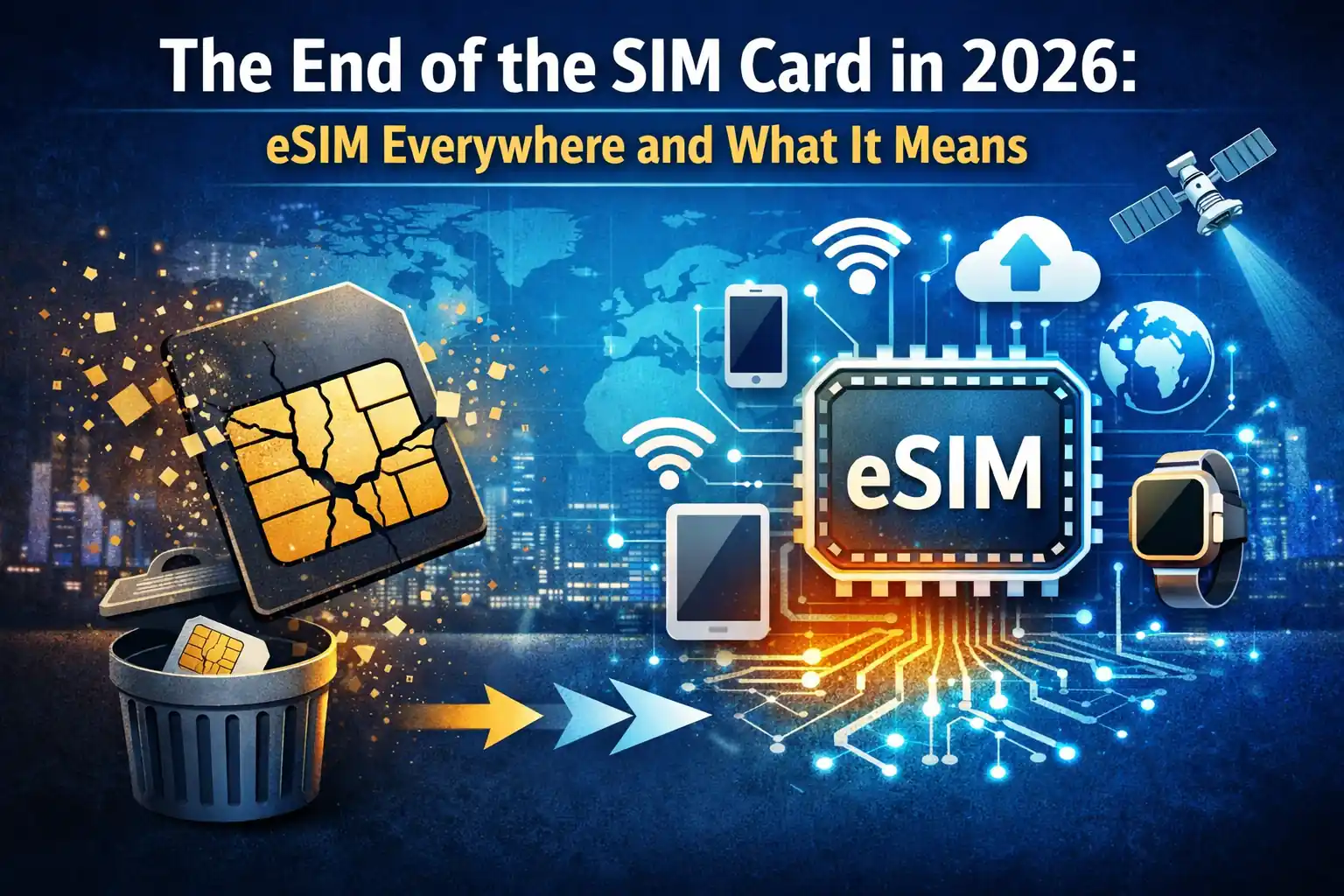
In 2026, the “little plastic SIM card” is no longer the default assumption. eSIM has moved from a premium feature to a baseline expectation across phones, tablets, laptops, hotspots, and an expanding range of IoT endpoints. For IT professionals, this isn’t just a hardware footnote. It changes procurement workflows, device onboarding, carrier management, roaming strategies, zero-trust assumptions, incident response, and even how you inventory “who is connected to what” in an organization.
eSIM sounds simple on paper: a programmable subscriber identity embedded in the device that can be provisioned remotely. In practice, it rewires multiple enterprise processes that were quietly held together by the physicality of removable SIMs. The shift is subtle when you’re managing ten devices, and very real when you’re managing hundreds or thousands across regions and carriers.
Why 2026 Feels Like the Tipping Point
eSIM has been around for years, but 2026 is where the “exceptions list” finally shrinks. The device landscape has matured: consumer and enterprise buyers now expect multi-profile support, smoother carrier onboarding, and self-service activation that doesn’t require waiting for a delivery. At the same time, organizations are more distributed than ever, and shipping physical SIMs to remote workers or global teams is increasingly inefficient.
For enterprises, the business case is compelling:
- Faster device deployment for remote hires and distributed offices
- Reduced logistics overhead for spare SIM inventory and shipping
- More flexible carrier strategy, including regional breakouts and backup connectivity
- Better alignment with modern UEM/MDM workflows, where “remote-first” is the baseline
But the tipping point is not only convenience. It’s also about control. eSIM pushes cellular identity management closer to the software layer, which means it becomes more automatable and more auditable. That can be good news for IT—if you treat it as a managed capability rather than a user-driven perk.
eSIM Basics, Without the Marketing Gloss
A traditional SIM is a removable secure element that stores subscriber credentials. With eSIM, those credentials live in an embedded secure element and can be updated over the air. Devices can hold multiple eSIM profiles, and users (or admins) can switch between them depending on policy, region, or cost.
From an IT perspective, the key differences are operational:
- No physical swap to change carriers or numbers in most scenarios
- Remote provisioning becomes a standard onboarding step for cellular devices
- Multiple profiles create new policy questions: which profile is “corporate,” which is “personal,” and who controls switching
- Identity becomes software-managed, so governance matters more than ever
What Changes for Enterprise Mobility Teams
If your organization already has mature mobile device management, eSIM can look like a natural evolution. But even mature shops often have “SIM-era” habits baked into their processes: shared SIM drawers, last-minute replacements, travel SIM policies, and informal swaps during incidents. eSIM changes those patterns.
The biggest practical shift is that cellular connectivity becomes part of digital onboarding rather than physical kitting. The “new employee laptop + phone” workflow can include carrier activation steps that are triggered by enrollment, compliance state, or zero-touch setup milestones.
Expect to revisit:
- Asset inventory: mapping device identifiers and cellular profiles to users, departments, and cost centers
- Joiner/mover/leaver flows: reclaiming numbers and disabling profiles without needing hardware back
- Spare strategy: “spare SIMs” becomes “spare profiles” and emergency provisioning playbooks
- Regional carrier models: using different carriers by country without physically handling SIM stock
Security: The Threat Model Shifts (But Doesn’t Disappear)
It’s tempting to assume eSIM is automatically “more secure” because it’s embedded and harder to remove. That’s partially true for certain attack classes, but security is more nuanced in 2026 because attackers adapt to the management layer.
Here’s what generally improves:
- Reduced SIM theft and swap-by-physical-access: an attacker can’t simply pop the SIM into another device in many scenarios
- Less casual SIM tampering: accidental or user-driven swapping becomes less common
- Stronger alignment with device security: cellular identity is tied more tightly to the device’s secure element
And here’s what becomes more important:
- Provisioning controls: who can add a profile, when, and via which authentication factors
- Carrier account security: if a carrier portal or admin console is compromised, profile-level abuse becomes feasible
- User experience traps: phishing and social engineering can target “activation” flows and QR codes
- Multi-profile ambiguity: the wrong profile can be active at the wrong time, breaking policy assumptions and audit trails
In practical terms, the “SIM swap” risk doesn’t vanish—it evolves. Traditional SIM swap fraud often exploited carrier support workflows and weak identity verification. eSIM keeps carriers in the loop, which means your security posture still depends on carrier account governance, multi-factor authentication, and least-privilege administration. For enterprise-managed lines, tighten carrier portal controls as aggressively as you harden MDM.
Identity and Access: Treat Cellular Like an Enterprise Credential
In many environments, cellular connectivity is treated as “just network,” not as a credential. That’s a mistake when devices can change profiles quickly and connectivity is used to reach management services, VPN gateways, and SaaS endpoints.
A useful mental model is: an eSIM profile is an enterprise-issued identity token for network access. It should be governed with similar rigor to certificates, managed Wi-Fi credentials, and device compliance checks.
That means aligning eSIM strategy with:
- Conditional access: requiring device compliance for access to sensitive resources, regardless of transport
- Zero trust networking: assuming the cellular network is not inherently trusted
- Device attestation: ensuring enrolled endpoints meet baseline integrity requirements before provisioning profiles
- Logging and correlation: mapping profile activity to device identity and user identity for investigations
MDM/UEM Operations: eSIM as a First-Class Lifecycle Component
If you’re running a modern UEM stack, the operational goal is straightforward: eSIM should be provisioned, audited, and removed through policy-driven workflows that match your risk model.
In practice, enterprises tend to fall into two patterns in 2026:
IT-managed cellular profiles: Corporate-owned devices receive profiles automatically during enrollment. Users have limited ability to add, remove, or switch profiles without policy approval.
User-assisted provisioning: IT provides activation instructions (often through a secure portal), and the user completes the provisioning steps, sometimes with a compliance gate in the UEM system.
Both can work, but they lead to different support loads. IT-managed provisioning reduces inconsistencies but requires strong integrations and a clean operating model with carriers. User-assisted models are easier to roll out quickly but tend to produce “help desk friction” unless instructions are extremely clear and the exception handling is well-designed.
In either model, plan for:
- Profile state drift: users switch lines for travel or cost, and suddenly corporate data rides over an unintended carrier
- Support playbooks: troubleshooting “no service,” “activation failed,” and “profile stuck” scenarios
- Deprovisioning certainty: ensuring leavers lose corporate connectivity even if the device goes offline
- Compliance gating: only provision eSIM when device posture meets policy (encryption, OS version, screen lock, etc.)
Procurement and Carrier Management: The Real Work Moves Upstream
With physical SIMs, a lot of complexity lived at the edge: shipping, swapping, and local fixes. With eSIM, complexity shifts upstream into carrier relationships and admin portals. The “paperwork” becomes the operational backbone.
Practical questions IT teams are asking in 2026 include:
- How fast can we provision a new line for a device in a different country?
- Can we enforce corporate profile activation through automation, or is it manual?
- What does number porting look like when the profile is embedded?
- Do we get reliable logs for profile issuance, changes, and revocations?
- How do we handle emergency carrier failover without creating billing chaos?
For many enterprises, the biggest win is carrier agility: the ability to maintain a preferred carrier per region and still allow corporate devices to be activated quickly without physical handling. The biggest risk is inconsistent carrier administration, where provisioning permissions sprawl across too many admins and too many disconnected portals.
Treat carrier portal access like a privileged system:
- Enforce MFA and strong identity proofing for carrier administrators
- Use least privilege roles for provisioning vs billing vs reporting
- Centralize auditing and review access regularly
- Document escalation paths for fraud and emergency lockouts
Roaming and Travel: From “Buy a SIM” to “Policy-Based Connectivity”
Business travel used to mean one of three approaches: pay roaming, buy a local SIM, or issue a travel SIM. eSIM changes that menu. In 2026, it’s increasingly normal for a traveler to carry multiple profiles, with corporate policy deciding what is allowed.
That’s good news for IT because it can reduce risky user behavior like buying unknown SIMs at kiosks or using poorly controlled hotspot devices. But it also means you need a clear stance on multi-profile usage:
- Are users allowed to add personal travel profiles to corporate devices?
- If they do, do you require that corporate data stays on the corporate profile?
- Do you mandate VPN for all traffic when roaming?
- How do you handle countries with special telecom restrictions or compliance requirements?
A pragmatic approach is to define a “travel connectivity policy” that includes:
- Approved regional carriers or eSIM providers
- Rules for profile switching and data usage alerts
- Security requirements when outside the home region (VPN enforcement, DNS policies, app restrictions)
- Support procedures for travelers who lose service at critical times
IoT and Fleet Devices: eSIM at Scale (and at the Edge)
eSIM’s biggest enterprise impact may not be phones at all. It’s fleets. Kiosks, point-of-sale devices, rugged handhelds, sensors, trackers, and industrial equipment increasingly ship with embedded cellular identity options designed for remote provisioning. That’s a game-changer when devices are deployed in places you can’t easily visit—construction sites, retail branches, vehicles, or remote facilities.
For IT and OT teams, eSIM can enable:
- Mass provisioning during deployment waves
- Carrier switching when coverage is poor or costs change
- Regional optimization for multi-country fleets without a logistics burden
- Remote recovery when devices need connectivity restored after resets or replacements
But it also amplifies the need for clean inventory and lifecycle control. When an IoT device is decommissioned, you must be able to revoke its connectivity reliably, update ownership mapping, and prevent “ghost lines” from continuing to bill quietly for months.
BYOD and Dual-Use Devices: The Policy Minefield
eSIM makes it easier to blur the line between personal and corporate connectivity, especially on devices that support multiple profiles seamlessly. In BYOD environments, that can be both an advantage and a risk.
The advantage is flexibility: a user can keep their personal line and add a corporate line without carrying two phones. The risk is governance: if corporate policies assume that “corporate line equals corporate usage,” you may discover that the device frequently switches profiles, or that corporate data rides over personal connectivity.
Clear policy beats technical hope. In 2026, BYOD programs should explicitly define:
- Whether corporate eSIM profiles are allowed on personal devices at all
- What level of device management is required to carry a corporate profile
- What happens when the user leaves the organization
- How you handle legal discovery, privacy boundaries, and support responsibilities
In many cases, organizations end up segmenting their approach:
- Full corporate ownership for high-risk roles where strict management is required
- Hybrid models for knowledge workers, with managed apps and conditional access
- Light-touch policies for contractors, using app-level controls rather than device-level provisioning
Incident Response: When Connectivity Is a Switch You Can Flip
One of the understated benefits of eSIM is incident response speed. When a device is lost, compromised, or associated with suspicious activity, connectivity can become part of the containment strategy.
With physical SIMs, you might suspend a line, but the process can be slow and often involves human workflows. With eSIM and modern carrier tooling, the ideal state is faster:
- Revoke or suspend the corporate profile quickly
- Trigger UEM actions: lock, wipe, remove corporate apps, revoke tokens
- Preserve logs that correlate profile identifiers with user identity and device identity
- Reissue a profile to a replacement device without shipping anything
The best IR outcomes happen when your carrier and UEM workflows are aligned. If your SOC can disable an endpoint’s corporate connectivity as a standard playbook step, you reduce the window where compromised devices can exfiltrate data or reconnect repeatedly.
Troubleshooting in the eSIM Era: New Failure Modes
eSIM eliminates some problems and introduces others. Help desk teams in 2026 frequently see issues that are less “hardware broken” and more “state mismatch” between device, carrier, and provisioning workflow.
Common eSIM-era pain points include:
- Activation failures caused by timing, incomplete enrollment, or carrier-side account constraints
- Profile download problems due to captive portals, restricted networks, or OS-level glitches
- Wrong profile active leading to unexpected costs, blocked services, or missing access to corporate resources
- Stale profiles left on devices after role changes or device reassignment
To reduce ticket volume, invest in:
- Simple, visual onboarding guides embedded in your internal portal
- Standardized escalation procedures with carriers for stuck provisioning states
- Clear internal rules on profile switching and what support will cover
- Self-service diagnostics: “Is the device compliant? Which profile is active? Is corporate VPN required?”
Cost Management: eSIM Makes Switching Easy, Billing Messy
Flexibility has a cost. When users can switch profiles quickly, it’s easy for billing to drift away from policy. Shadow lines, duplicated plans, unused profiles, and roaming surprises can still happen—sometimes more easily— if governance is loose.
IT teams should work closely with finance and procurement to build a billing model that matches eSIM realities:
- Automated reconciliation between device inventory and active lines
- Clear ownership mapping of profiles to departments and cost centers
- Offboarding verification to ensure lines are truly deactivated
- Roaming guardrails using alerts, caps, or approved profiles for travel
In mature environments, eSIM enables smarter cost strategies:
- Regional carriers for better rates and coverage, rather than one “global” plan
- Secondary profiles for failover that are only enabled when needed
- Data-first plans for tablets and laptops that align with actual usage patterns
Laptops and Always-Connected Work: Cellular Becomes Normal Again
Always-connected laptops have been “almost there” for years, often held back by cost, inconsistent carrier support, and the friction of provisioning. eSIM reduces friction and makes it more realistic for organizations to deploy cellular-enabled laptops for specific roles.
For IT, the question becomes: where does cellular add measurable value?
- Field service and on-call roles where uptime matters and Wi-Fi isn’t reliable
- Executives and frequent travelers who need predictable connectivity
- Incident responders who may need out-of-band access during outages
- Pop-up sites and temporary offices that need connectivity fast
The best deployments treat cellular as a managed transport option, not a replacement for secure networking. Always-on connectivity should still be governed by device compliance, strong endpoint security, and consistent access controls.
Privacy and Compliance: Who Owns the Line, Who Owns the Data?
When corporate profiles live alongside personal profiles, organizations must be careful about privacy boundaries, especially in regions with strict employee privacy laws. eSIM doesn’t change legal obligations, but it changes the mechanics of how lines are assigned and reclaimed.
Compliance teams and IT should align on:
- What metadata is logged by carriers and how it is retained
- How logs are used in investigations and what approvals are required
- How offboarding is handled without collecting unnecessary personal data
- How to manage cross-border telecom constraints and data residency expectations
For many organizations, the simplest approach is clear separation:
- Corporate-owned devices carry corporate profiles under corporate management
- BYOD devices use app-level controls and conditional access rather than deep carrier-level provisioning
- High-risk environments minimize dual-use ambiguity by issuing dedicated corporate hardware
What About iSIM and the Next Step After eSIM?
If eSIM is the end of the plastic SIM, iSIM hints at the next evolution: integrating subscriber identity functionality more tightly into device hardware, sometimes directly into a system-on-chip architecture. The enterprise implication is the same theme: connectivity identity is moving deeper into managed, embedded, software-governed territory.
For most IT teams in 2026, the immediate priority isn’t chasing iSIM. It’s getting eSIM governance right: inventory, provisioning controls, carrier portal security, offboarding reliability, and operational playbooks. If you can do that well, iSIM becomes a smaller incremental shift rather than another disruptive change.
Practical Recommendations for IT Pros in 2026
eSIM is now mainstream enough that a “wait and see” stance becomes costly. The goal isn’t to chase novelty, but to standardize how your organization handles cellular identity in a world where SIM cards are no longer physical objects you can control with a drawer and a spreadsheet.
A pragmatic eSIM readiness checklist includes:
- Define ownership: which devices and roles get corporate profiles, and under what management model
- Harden carrier administration: MFA, least privilege, auditing, and documented escalation paths
- Integrate with UEM workflows: provisioning tied to enrollment and compliance, with clean deprovisioning
- Write support playbooks: activation failures, profile drift, travel scenarios, and emergency recovery
- Build billing reconciliation: continuous matching of active lines to active assets and owners
- Train teams: help desk, SOC, and procurement all need a shared understanding of the new model
The organizations that benefit most from eSIM in 2026 are the ones that treat it as a managed capability, not a convenience feature. When done well, eSIM reduces friction, improves agility, and supports remote-first operations without increasing security risk. When done casually, it can turn into a multi-profile mess where costs drift, audits are incomplete, and incident response becomes slower than it should be.
The Bottom Line
The end of the physical SIM card isn’t just a consumer story—it’s an enterprise operations story. eSIM everywhere means cellular identity becomes easier to deploy, easier to change, and potentially easier to govern. It also means the old “physical control” assumptions no longer apply. In 2026, IT professionals who modernize their provisioning, security, and lifecycle workflows around eSIM will gain speed and resilience. Those who don’t may discover that the tiny SIM card they stopped thinking about has quietly become a major source of complexity—just in a new form.
- التفاصيل
- كتب بواسطة: IT Pro
- المجموعة: Blog
- الزيارات: 5647
- التفاصيل
- كتب بواسطة: IT Pro
- المجموعة: Blog
- الزيارات: 4792
- التفاصيل
- كتب بواسطة: IT Pro
- المجموعة: Blog
- الزيارات: 5024

 11390
11390  IT Pro