Въпреки постоянните актуализации, подобрения и обещаните поправки, Windows 11 все още се бори с няколко устойчиви проблеми, които разстройват ежедневните потребители и ИТ професионалисти.
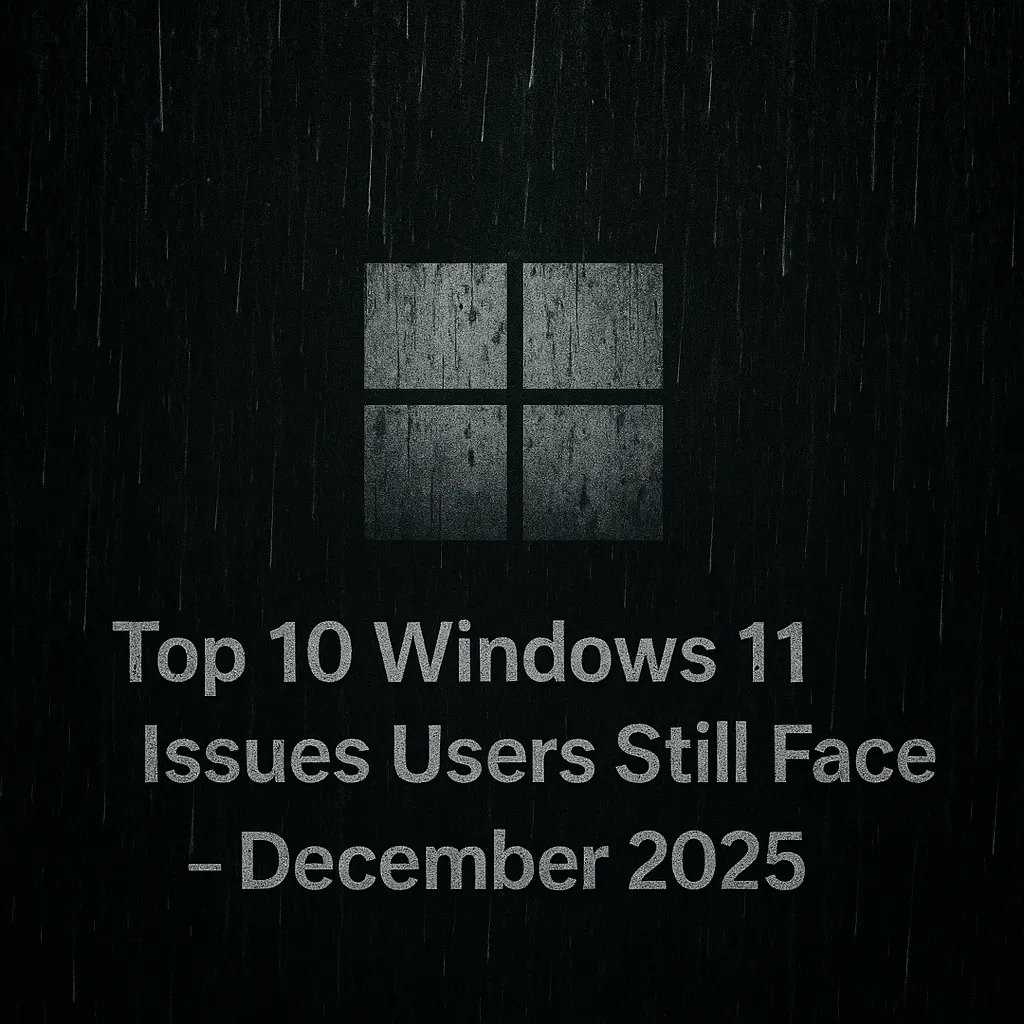
Windows 11 е узрял значително след старта си, с големи актуализации на функции и подобрения на сигурността, които се извършват през 2024 и 2025. Въпреки това, докато приключваме декември 2025 г., изненадващо много дългогодишни въпроси продължават да оказват въздействие върху стабилността, производителността и потребителския опит. По- долу е кръг от 10 най-често срещаните въпроси потребителите все още са изправени пред днес, защо те продължават, и какво ИТ екипи могат да направят, за да ги смекчи.
File Explorer все още замрази или Lags
Въпреки че Microsoft е препроект и ремонт на изпълнение, File Explorer остава един от най-проблемните компоненти на Windows 11. Потребители доклад:
-
Бавно зареждане на папката
-
Нереагиращи менюта с десен бутон
-
Случайни изследователи.exe катастрофи
-
Високо използване на процесора при сърфиране на големи директории
Дори и с последните кумулативни актуализации, File Explorer се държи непоследователно през хардуерни типове, което предполага по-дълбоки архитектурни ограничения.
Обновяване на Windows
Windows Update продължава да бъде точка на болка. Докато надеждността се подобрява, много потребители все още изпитват:
-
По-дълги часове на зареждане след актуализациите
-
Високо използване на диск от Windows Update и Trusted Installer
-
Деградация на експлоатационните показатели на стари или средни процесори
Тъй като Windows 11 силно разчита на обслужване на фона, дори рутинни актуализации могат да прекъснат работни потоци неочаквано.
TPM & Secure Boot грешки след хардуерни промени
Windows 11 по отношение на строгите изисквания за сигурност на TPM 2.0 и Secure Boot. Обща жалба от 2025 г.:
Уиндоус не може да провери дали устройството отговаря на изискванията за сигурност.
Това често се появява след BIOS актуализации, дънна платка заместители, или виртуализация конфликти. Дори ИТ специалистите намират съобщенията за неясни и непоследователни.
Wi-Fi надеждност проблеми на някои чипсети
Някои Intel и Realtek Wi-Fi чипове все още страдат от неправилни капки връзка, особено след като системата спи или хибернация. Въпросите включват:
-
Свързва се без интернет
-
Произволни прекъсвания
-
Бавно включване докато Wi-Fi превключването се нулира
Microsoft пусна частични поправки, но докладите продължават във форуми и фирмени помощници.
High Memory Useage by Фонови услуги
Windows 11 агресивно зарежда системни компоненти, за да се подобри това често обратен огън. Потребителите продължават да се оплакват от използването на RAM, надвишаващо 60... дори и с минимални отворени приложения.
Клетниците включват:
-
Мениджър на работния плот (DWM)
-
Name
-
Microsoft Edge WebView2 runtime
-
Name
На ниски RAM системи (8GB или по-малко), това става особено забележимо.
Индексирането на търсенето продължава лесно
Windows Search остава ненадежден за много потребители през 2025 г. Устойчиви въпроси:
-
Резултатите от търсенето изглеждат непълни
-
Лентата за търсене спира да отговаря
-
Индексирането остава или се рестартира
-
Премахването на Cortana създава несъответствия при по-стари инсталации
Екипите на Enterprise IT често деактивират индексирането изцяло за по-добра стабилност.
HDR и Multi-Monitor Display Bugs
Microsoft подобри HDR управлението, но екосистемата остава разхвърляна:
-
HDR трептене
-
Промяна на цветовия профил
-
Пренареждане на мониторите след заспиване
-
Прозорците на приложения се преместват през екраните
Геймъри и творчески професионалисти чувстват тези буболечки най-много.
Bluetooth устройства случайно се прекъсват или не успеят да чифт
Windows 11 все още се бори с Bluetooth стека надеждност. Bluetooth LE Audio осиновяването не е разрешило всичко:
-
Слушалките падат по време на разговорите
-
Мишки
-
Устройства, които многократно искат да бъдат подредени отново
Много засегнати потребители отбелязват подобрения само след преминаване на USB портове или инсталиране на специфични за ПОО драйвери.
Старт меню препоръки & реклами Потребителите могат да се изключат напълно
Дори след широко разпространена реакция, Microsoft продължава да настоява:
-
Предложения за приложението
-
Препоръки за Microsoft Store
-
Опционални реклами за услуги като OneDrive и Copilot
Докато работят, Все още няма просто превключване. да обезвреди всички препоръки. Това остава един от най-спорните въпроси на ПС.
Интегрирането на пилотите причинява опасения за ефективността и поверителността
Дълбокото интегриране на системата Windows Copilot (2025 Edition) е мощен, но не и без оплаквания:
-
Забележим спад в ефективността, когато Copilot индексира или анализира контекста
-
Повишена употреба на RAM и GPU
-
Потребителите не са сигурни какви данни се изпращат на Microsoft
-
Случайна грешка на копилота при зареждане след актуализации
IT администраторите продължават да деактивират Copilot от Group Policy в чувствителна среда.
Заключение
Windows 11 еволюирала в стабилна, богата на функции OS ... но няколко устойчиви въпроси продължават да подкопават потребителския опит в края на 2025 г. За ИТ професионалистите тези проблеми означават повече билети за поддръжка, повече време за отстраняване на проблеми, и по-голям натиск да се разгърне конфигурацията базовите линии, които заобикалят Windows...
Докато Microsoft обещава текущи подобрения през 2026 г., много основни проблеми изглеждат вкоренени в наследени компоненти, които са трудни за модернизиране, без да се нарушава съвместимостта.
До тогава ИТ екипите трябва да разчитат на проактивна поддръжка, обучение на потребителите и политики за персонализирана конфигурация, за да поддържат средата на Windows 11 да работи гладко.

 12985
12985  IT Pro