През последното десетилетие, облачните компютърни промени в предприятието IT. Организациите мигрират на работа към хиперскалери с безпрецедентна скорост, привлечени от гъвкавост, мащабиране, по-ниска оперативна режийни разходи и отчитане на потреблението. В продължение на години, Cloud-първи .. не е било може би стратегия .. това е предположение.
Но през 2015 г. Първо тихо. Сега безпогрешно.
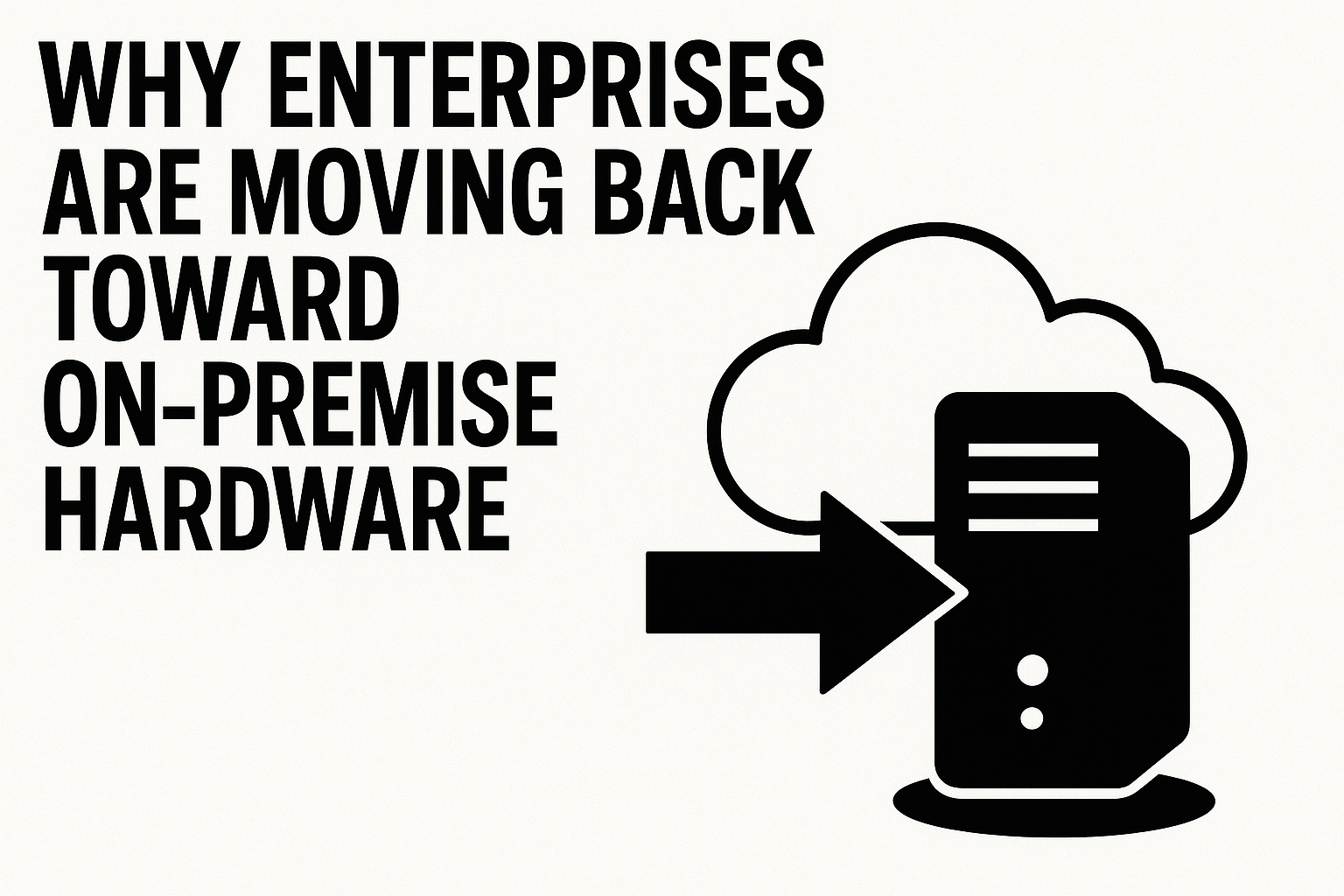
И дори технологическите технологии все повече се отклоняват от курса на финансиране, здравеопазване, производство, отбрана, телекомуникации и довеждат част от инфраструктурата си обратно в къщатаНе изоставяйки изцяло облака, а стратегически инвестирайки отново в Хардуер за предмишници, центрове за данни, и посветени изчисляване.
Защо се случва това сега?
Тъй като облачните разходи се покачват, натоварването на AI експлодира, правилата за управление на данните се затягат, а предвидимостта на инфраструктурата става от съществено значение, предприятията преоткриват стойността на притежаването на метала отново.
Тази статия изследва основните сили, движещи този преход, какви работни места се връщат у дома, и как изглежда новата хибридна епоха.
Издигащите се облаци са точка на пречупване
За много предприятия облакът вече не е по-евтин, особено в мащаб.
През последните две години кривата на разходите се промени драстично:
-
Складовите разходи са балонирани.
-
Таксите за бягство се трупат.
-
Резервирани случаи ангажименти станаха трудни за прогнозиране.
-
AI изчислява цените рязко се покачи.
-
Отсъствието на облаците стана широко разпространено.
Много CFO сега казват, че облак OpEx нараства по-бързо от приходите.
Притежаване на хардуер гол веднъж се разглежда като скъпо това е сега стратегия за оптимизиране на разходите.
Предсказуемостта побеждава еластичността за повечето работни места
Облачното еластично мащабиране е великолепно... за 5 и 110% от работните места, които всъщност се увеличават непредсказуемо.
Но наоколо... 85% от работното натоварване на предприятията е стабилно, бавен растеж, и цикъл предвидим.
За тези работни места:
-
Хардуерната амортизация е математически по-добра.
-
Изпълнението е последователно.
-
Използването е предсказуемо.
За тези компании, облачните такси непредсказуемо... но хардуерът не променя решението си през нощта.
AI промени икономиката напълно
AI натовареността промени фундаментално стратегията за инфраструктурата.
Защо?
Тъй като GPU лизинг от клауд доставчици е:
-
забранено скъпо,
-
силно пренаписани,
-
ограничен достъп,
-
и нестабилен за дългосрочни ангажименти.
Цената на изводите и обучението в публичния облак е шокираща.
Предприятия реализирани:
Цената на една година използване на облак GPU може да плати за цял куп он-прем AI.
И понякога дори с промяна остава.
Това е един от най-големите шофьори на обръщането.
Правилата за върховенство на данните се стягат по целия свят
Правителствата прилагат:
-
закони за локализация,
-
мандати за съответствие,
-
контрол на регулирания сектор,
-
правилата за трансгранично прехвърляне,
-
рамки за поверителност (GDPR, AIA, HIPA, PCI-DSS).
Предприятията в регулираните сектори са принудени да интернализират критичните работни места.
За някои промишлени отрасли съхранението на данни в друга държава (или друга компания за хардуер) вече не е законно приемливо.
По-рано е застраховката.
Екипи за сигурност преосмислят модела на облака
Традиционният облак приема "довери се на доставчика."
Но това доверие изчезва.
Лидерите на сигурността са загрижени за:
-
общ риск,
-
шумни уязвимости на съседите,
-
нарушения между клиент,
-
непрозрачни захранващи вериги;
-
вътрешен достъп до хиперскалери,
-
неясноти в облака,
-
Заключване на продавача.
Собствен хардуер представя:
-
пълна одитируемост,
-
физическо управление,
-
привилегирован контрол на достъпа,
-
Детерминистично моделиране на риска.
За много CISOs, cloud чувства абстрактно горнище чувства отговорност.
Търговецът е станал опасен.
След като предприятията преминат към хиперскалер, напускането е изключително трудно.
Това води до:
-
увеличаване на дългосрочните разходи,
-
липса на лост за преговори,
-
компрометирана гъвкавост,
-
архитектурен затвор.
Он-прем клъстери предлагат изходни ленти.
Дори ако една компания остане мулти-облак или хибрид,
На-прем гарантира, че те не са в капан завинаги.
Latency-Critical Workloads се нуждаят от близост
Индустриите с чувствителност към милисекунди се връщат обратно на работа, като:
-
фабрики,
-
търговски подове,
-
разполагане на роботи,
-
събиране на данни от отдалечени клонове,
-
телекомуникационни мрежи,
-
автономна инфраструктура.
Физиката не се интересува от облака.
Лейтънс има значение.
Близостта има значение.
Private Cloud 2.0 е нищо като 2010
Днес светът на Прем не е старата стая за коло сървъри.
Съвременният бизнес хардуер е:
-
софтуерно дефиниран,
-
АИ-ускорен,
-
охлаждан контейнер,
-
самолечение,
-
напълно автоматизирана,
-
управление на облаци,
-
консумация-проследена.
Частните облаци днес изглеждат като хиперскалерни облаци.
Просто вътрешен.
Какви работни места се връщат на Прем?
Смяната не е единна, а стратегическа.
Общите работни места за връщане включват:
✔ Обучителни групи AI
✔ AI възлови възли
✔ кризисни системи за транзакции
✔ регулирани архивни данни
✔ анализи с висока проходимост
✔ глобални файлови системи
✔ ERP и финансови платформи
✔ Системи за индустриален контрол
Облак остава от съществено значение за:
-
непредсказуемост,
-
експериментиране,
-
изпитване,
-
външни услуги.
Но създаването на основна ценност отново става вътрешно.
The New Enterprise Reality: Hybrid-First, Not Cloud-First
Там, където облак-първи беше мантрата на 2010-те...
Мантрата от 2025 г. сега е:
Хибрид по дизайн.
Не "облак срещу хардуер."
По-скоро:
Cloud + собственост compute + edge + colocation.
Целта?
Поставете всяка работа там, където тя прави икономически както и експлоатация Смисъл.
Не и там, където маркетингът каза, че принадлежи.
Заключение: Притежаването на компут отново е готино
Не защото облакът се е провалил.
Но тъй като предприятията най-накрая разбират:
-
Облакът е мощен.
-
Но облакът е скъп.
-
и облакът не е решение по подразбиране за всичко.
Организации преоткриват стойността, която идва със собствеността:
-
криви на детерминистичните разходи,
-
амортизация на хардуер,
-
контрол на суверенитета,
-
предвидимо изпълнение;
-
намалена зависимост на продавача,
-
дългосрочна ИТ стабилност.
Това, което изглеждаше като тенденция назад е всъщност тенденция напред.
към уравновесен,
зряла,
оптимизирана хибридна компютърна ера.


 12985
12985  IT Pro