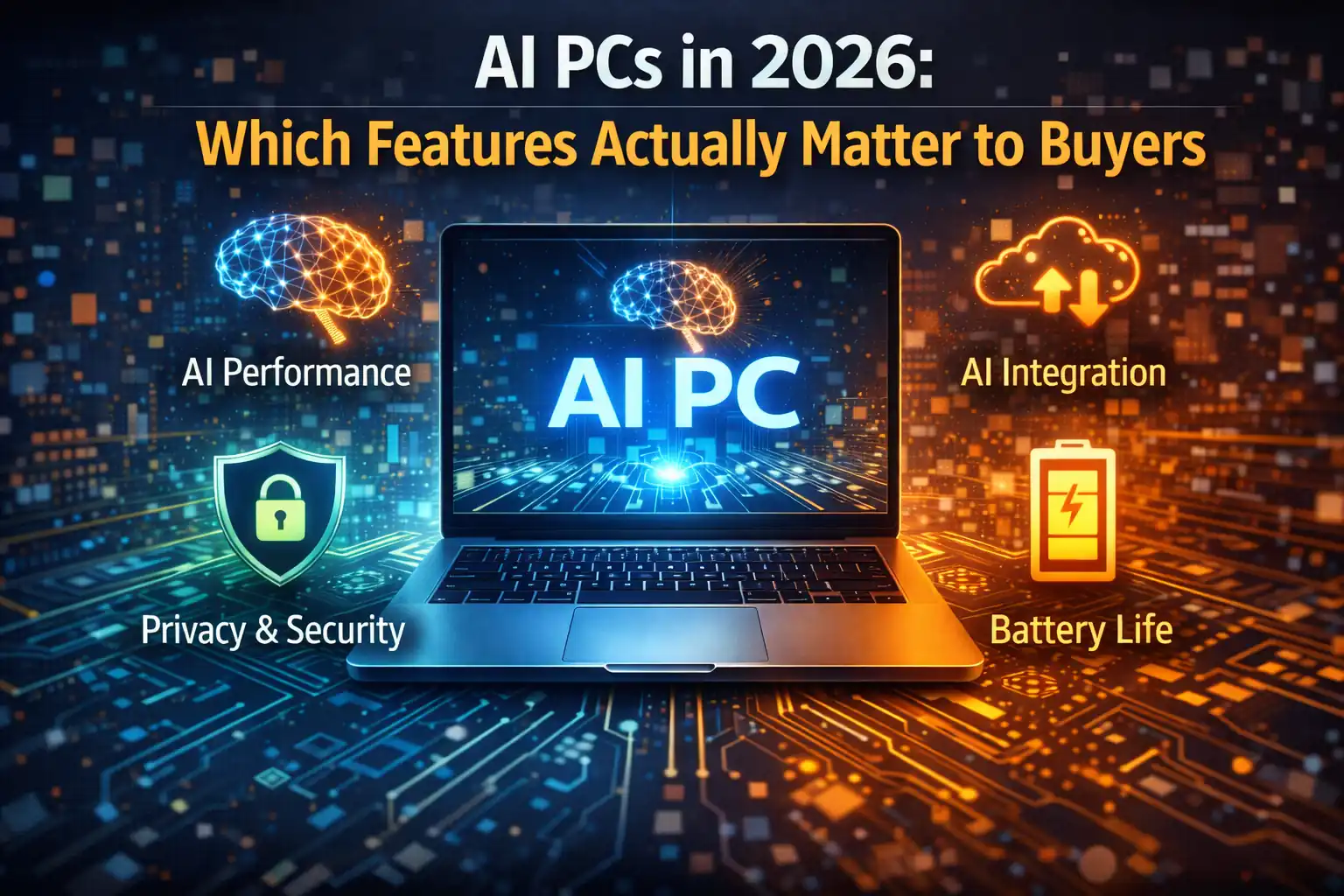
'আইপি' সব জায়গায় ২০২৬ সালে পাওয়া যায়, কিন্তু ক্রেতারা কখনো শব্দ কিনতে পারে না। তারা বিভিন্ন ফলাফল কিনেছে: সভা, দ্রুত নির্মাণ কাজ, সহজতর কাজ, শক্তিশালী নিরাপত্তা, এবং স্বল্প সময়ের অপারেশনের মাধ্যমে। আইটি পেশাজীবিদের জন্য এই চ্যালেঞ্জটি অর্থপূর্ণ, নির্ভরযোগ্য ক্ষমতা থেকে পৃথক করা, যার মধ্যে দিয়ে গণতন্ত্র ভালো এবং হতাশ। বাস্তব প্রশ্ন হলো, এটা কি অগ্রগতির গতি বৃদ্ধি করবে কিনা?
কিন্তু ক্রেতার অভিজ্ঞতা সফটওয়্যার সহায়তা, ড্রাইভার পরিপক্বতার উপর ভিত্তি করে এবং কিভাবে এই যন্ত্র কাজের ভার বহন করে তার উপর ব্যাপকভাবে নির্ভর করে। অন্য কথায়, "আইপি" একটি লাঠি নিয়ে খুব কম কাজ করে এবং একটি সম্পূর্ণ প্রক্রিয়া সম্পর্কে: ইঞ্জিন, মেমরি, মাইক্রোফোন/ হাইবারস, ওএসডি, ওএস-এর নিয়ন্ত্রণ।
কোয়ের রিয়েলিটি 323 সালে
বেশীর ভাগ ক্রেতা-বিশেষ করে ব্যবসা ব্যবহারকারীরা- তারা স্থানীয় ভাষার মডেলের জন্য অনুরোধ করছে না, কারণ এটি বেশ শান্ত। তারা চায় যে, সভার সময় নষ্ট করা বন্ধ করে দেওয়া হোক, নথি উৎপাদন করা সহজ এবং এমন যন্ত্র, যা সেই সময় ধীরে ধীরে কাজ করে । AI-র দ্বারা ব্যাটারির ক্ষমতা হ্রাস, ফ্যানের আওয়াজ অথবা মেকার গতি বৃদ্ধি পায়, অথবা “আইপি” টিকেট জেনারেটর সমর্থন করে। যদি বিভিন্ন বৈশিষ্ট্য নির্ভরযোগ্য, দ্রুত এবং ব্যক্তিগতভাবে বিশ্বাস করা হয়, তা হলে সেগুলো ব্যবহারকারীদের প্রতি প্রতিদিন শান্তভাবে নির্ভর করে ।
তাই, ইশ্মায়েলের তিনটে সাধারণ বৈশিষ্ট্য রয়েছে । তারা বারবার এর মূল্য প্রদান করে, কেবল ডেমোতে নয়। তারা বাস্তবসম্মত অবস্থায় পারফর্মেন্স নিয়ে খেলা করে। এবং তারা গোপনীয়তা সীমানার প্রতি সম্মানশীল-এবং তাদের সংবেদনশীল প্রক্রিয়াকে নিরাপদ রাখার মাধ্যমে অথবা শিল্প-অভিযানের উপর নিয়ন্ত্রণ প্রদান করে।
সভাগুলো ও যোগাযোগ: নিখিলবিশ্বের সবচেয়ে বড় RO
উৎপাদনশীল আয়ের সবচেয়ে দ্রুততম পথ এখনও যোগাযোগ। ৩৮৪, অডিও, ভিডিও এবং লিনজ-এর বিভিন্ন বৈশিষ্ট্য প্রায়শ:ই কাজের ভূমিকার মধ্যে সবচেয়ে গ্রহণযোগ্য সুবিধা তৈরী করে। ক্রেতারা সঙ্গে সঙ্গে লক্ষ করে কারণ তারা প্রতিদিন প্রত্যেকটা কল সংক্রান্ত ত্রুটি কমাতে পারে । এটা কি তাদের লক্ষ করে কারণ তারা “আপনি কি আমাকে শুনতে পাচ্ছেন?
এর মধ্যে রয়েছে উচ্চ মানের আওয়াজের দমন, যা কণ্ঠকে বিকৃত করে না, বাতিল করে দেয়, যার ফলে কঠিন কক্ষকে নিয়ন্ত্রণ করে, স্বয়ংক্রিয় নিয়ন্ত্রণ লাভ করে, এবং ক্যামেরা যাতে কম আলো দেখা না যায়। বাস্তব সময়ের পটভূমি অস্পষ্ট থাকে আর না; এটা স্থায়ী, শিল্প মুক্ত আর দীর্ঘ সময় ধরে CPU ব্যবহার করে না।
ট্রান্সস্ক্রিপ্টশন এবং সরাসরি শিরোনাম অবশ্যই মূল্যবান হতে পারে, কিন্তু ক্রেতার অগ্রাধিকার সঠিক এবং সরকার। ( খ) কীভাবে আমরা দেখাতে পারি যে, আমরা যিহোবাকে ভালোবাসি? উদ্যোক্তা ক্রেতাদের জন্য, এই সিদ্ধান্তটি হচ্ছে, অডিও এবং প্রতিলিপি করা এবং সংরক্ষণ করা, তারা কতদিন ধরে চলতে থাকবে, এবং কি না নীতি নির্ধারণের উপর ভিত্তি করে ব্যবহারকারীরা চলতে পারে।
ডিভাইস সংক্রান্ত সহায়ক ব্যবস্থা: এটির মান ও অন্তর্ভুক্ত করা হলে সুবিধাজনক
২০২৬ সালে অনুষ্ঠিত এক ধারাবাহিক থিম, যার শিরোনাম ছিল “আধুনিক সাহায্য”: খসড়া তৈরি করা, পুনরায় অনুসন্ধান করা, পুনরায় অনুসন্ধান করা, এবং অ্যাপ্লিকেশনের বিষয়বস্তু নিয়ে কাজ করা। যারা এই ধারণাটি পছন্দ করে, তারা কেবল তা ব্যবহার করে থাকে, যখন এই অভিজ্ঞতা দ্রুত এবং সীমানা পরিষ্কার। যখন সাহায্যের অভাব দেখা দেয়, তখন সে কিছুটা ধীর হয়ে পড়ে, ঠিক না হয় না, ব্যবহারকারীরা এটিকে নিষ্ক্রিয় করে দেয় অথবা এর চারপাশে কাজ করে।
এর কারণ হচ্ছে এটি কিছু নির্দিষ্ট কাজের জন্য লতিচার এবং গোপনীয়তার মান কমিয়ে আনতে পারে- বিশেষ করে স্বল্পমেয়াদী কাজের ক্ষেত্রে, ভাষা পরিশোধন ব্যবস্থা, এবং লাইটওয়েট। তবে, ব্যবহারিক ভিন্ন ভিন্ন অবস্থানকারীটি স্থানীয়ভাবে একটি মডেল চালানোর তাত্ত্বিক ক্ষমতা নয়। এটা হচ্ছে ওএসসি এবং মূল এ্যাপস যা এই সমস্ত কার্যাবলী উন্মোচন করে, যা প্রকৃত কর্মফলে পরিপূর্ণ। যদি ব্যবহারকারীর কাছে ভিন্ন কোন হাতিয়ার কপি করতে হয়, তাহলে দত্তক গ্রহণ কমবে। যদি সাহায্য আসে যেখানে কাজ হয়, তাহলে দত্তক স্বাভাবিক হয়ে যায়।
এটি শুধুমাত্র যোগ্যতার মূল্যায়ন করাই করবে না, একই সাথে নীতি হুক: কোন উৎস থেকে তথ্য পাওয়া যাবে, তা নিয়ন্ত্রণ করা যাবে, নিয়ন্ত্রণ করা হবে, এবং তথ্য নিয়ন্ত্রণ করা হবে এমন আইন প্রয়োগ করা? অন্য যে কোন উৎপাদনশীল বৈশিষ্ট্যের মতো ক্রেতারা “আইএডি সহায়তা” গ্রহণ করে- যে কোন কিছু অবশ্যই মেনে নিতে হবে।
নিরাপত্তা সংক্রান্ত বৈশিষ্ট্য: চুপ করে কেনা ক্রেতাদের বিজ্ঞাপন দেবেন না
সবচেয়ে গুরুত্বপূর্ণ "আইপি"র কিছু বৈশিষ্ট্য ফ্লাশ নয়। তারা স্থানীয়ভাবে নিরাপত্তা ব্যবস্থা শেষ করতে পারে, যা আগে থেকে দেখা যায়। ক্রেতারা হয়তো “আই নিরাপত্তা” বাক্যাংশটি ব্যবহার করতে পারে না, কিন্তু তারা কম গুরুত্বপূর্ণ ঘটনা, দ্রুত সাড়া প্রদান এবং কম ব্যবহারকারী এই বিষয়ে উদ্বিগ্ন।
যে - বিষয়গুলো মিথ্যা ইতিবাচক বিষয়গুলো সৃষ্টি করে না, সেগুলো হল যেগুলোকে ঝুঁকির মুখে ফেলে না । স্থানীয় পুশিং এবং বিদ্বেষপরায়ণ ভাষার সংকেত ব্যবহার করা যায় কেন্দ্রীয় নীতির সাথে মিলে, কিন্তু ক্রেতা মনোযোগ প্রদান করে থাকে: যদি বৈধ ভাবে কাজ করা হয়, তাহলে তা বন্ধ করে দেওয়া হবে। মানসিক ভাবে কার্যকরভাবে কাজ করা এই বিষয়টি চিহ্নিত করা সাহায্য করতে পারে, কিন্তু একমাত্র যদি এটি বিদ্যমান ইডিআর কর্ম প্রবাহের সাথে যুক্ত থাকে এবং একই সাথে সংবাদ প্রদান করতে পারে, তাহলে একই সাথে একই ধরনের নিরাপত্তা বিশ্ব গড়ে তোলার বদলে।
আইটি পেশাজীবিদের জন্য, ক্রয় যোগ্য প্রশ্ন হলো: AI দক্ষতা কি কোন ধরনের নিরাপত্তা সংক্রান্ত ফলাফল যোগ না করে, বিক্রেতা লক-ইন, অথবা সমন্বায়ক সিদ্ধান্ত গ্রহণ? ক্রেতারা কেবল “অগ্ধতার” দাবি করে না।
ব্যাটারি জীবন ও থ্রাস্টার: মিলিত-বাছানার অভিজ্ঞতা
AI-র বিভিন্ন বৈশিষ্ট্য যা ব্যাটারির জীবন হ্রাস করে, তা আত্ম-বর্জন করে। ২০২৬ সালে ক্রেতারা ব্যাকগ্রাউন্ড গণনায় আরো বেশী সংবেদনশীল, বিশেষ করে ল্যাপটপে। এই যন্ত্রটি জানতে পারে যে, এটি গরম হয়ে গেলে এবং এখনো সেগুলোকে প্রত্যাখ্যান করতে পারে।
এখানে ‘আইপিএল’ প্লাটফর্মটি একটি সিস্টেম হিসেবে কাজ করে। এক্স-ফাইটার্স এক্স-ফাইটেশনের ক্ষেত্রে এটা মূল্যবান... ...যদি যন্ত্রটি একটি বাস্তবতর খামের মধ্যে রাখতে পারে. ক্রেতারা যত্ন নেয় কি না, যদি তারা ঘন্টার পর ঘন্টা রানিং না করে দৌড়াতে পারে, তবে পটভূমি কি আসলেই স্বল্প-ক্ষমতাসম্পন্ন অবস্থায় থাকবে কিনা, এবং সাধারণ কাজের দক্ষতা বজায় থাকবে কিনা।
এটার জন্য, এটা নৌবহর ক্ষমতাও প্রভাবিত করে। যদি কোন নির্দিষ্ট ড্রাইভারের সংস্করণ অনুলিপিযোগ্য বিদ্যুৎ সরবরাহের কারণে উচ্চতর ক্ষমতা অর্জন করে, তাহলে আপনি দেখতে পাবেন উচ্চ পরিমাণ সমর্থনের খরচ এবং আরও বেশি ব্যাটারি সংশ্লিষ্ট অভিযোগ। “এই বিষয়ে যে সমস্ত অভিযোগ রয়েছে” তা প্রায়শ:ই কোন ব্যবহারকারী দ্বারা পরিচালিত হয় না- ব্যবসা পরিচালনার শর্ত অনুযায়ী তার স্থায়ী ক্ষমতার ব্যবহার।
ফাইল এবং বিষয়বস্তুর ওয়ার্ক-ফ্লো এক্সিলারেশন: বিশেষ ভূমিকার জন্য Vufouly
AI সংক্রান্ত বিভিন্ন বিষয় নিয়ে বিষয়বস্তু ভিত্তিক ভূমিকা পালনকারী ক্রেতারা যত্ন করে থাকে। এর মানে হচ্ছে দ্রুত চিত্র পরিষ্কার করা, পটভূমি সরিয়ে ফেলা, অনুবাদ করা, প্রতিলিপি করা, অথবা অফিসের স্যুইটে পুনঃপ্রকাশ করা। এই সুবিধাগুলো বাস্তব, কিন্তু তাদের ভূমিকা নির্দিষ্ট। সাধারণ জ্ঞান-পরিবহনের জন্য সভার আয়োজন করা হয় যা সাধারণত সামগ্রিক প্রভাবের মাধ্যমে সৃজনশীল বৈশিষ্ট্যকে তুলে ধরে। মার্কেটিং, ডিজাইন, মিডিয়া আর যোগাযোগ দলগুলোর জন্য, AI-প্রজেক্ট তৈরি টুলগুলো একটি বড় ধরনের সহায়ক হতে পারে।
এই ক্রেতারা যে কোন ধরনের উপাদানের উপস্থিতি নয়, কিন্তু বর্তমান কর্মক্ষম প্রবাহে কি ভাবে তা যুক্ত করা হয়। যদি একটি বৈশিষ্ট্যের প্রয়োজন হয়, তা হলে সংবেদনশীল উপাদান বা উচ্চ-volume- প্রতিস্থাপনের ক্ষেত্রে তা গ্রহণযোগ্য নয়। যদি এটি স্থানীয়ভাবে চালানো হয় তবে স্থানীয় ভাবে এটি চালানো হবে কিন্তু একটি অস্থায়ী ফাইল ফাইল টাইপ করতে বাধ্য করে অথবা বিদ্যমান পাইপলাইনগুলো ভেঙে ফেলে, দত্তক গ্রহণ করতে হবে।
এটার মূল্যায়নে রপ্তানি, প্লাগ-ইন এক্সপার্ট, ড্রাইভারের স্থিতি, এবং কর্মক্ষমতার অন্তর্ভুক্ত থাকা উচিত। ক্রিয়েটিভ কমন্স ব্যবহারকারীরা জটিলতা সহ্য করবে, কিন্তু তারা অগণতান্ত্রিক বিপর্যয় বা গুণগত মানহীনতা সহ্য করবে না।
[ অধ্যয়ন প্রশ্নাবলি]
অনেক AI PCP বর্ণনার মাধ্যমে অনুসন্ধান, সন্ধান, ফাইল অনুসন্ধান, নথি সংকলন এবং ডিভাইস সংক্রান্ত তথ্য মনে করিয়ে দেয়। ক্রেতারা এটা করে- যখন এটা কাজ করে। ( ১ করি. যদি মনে পড়ে যে, সংবেদনশীল তথ্য অপ্রত্যাশিতভাবে বন্ধ হয়ে যায় অথবা যদি ইন্ডেক্সিং আচরণ পরিষ্কার না হয়, তাহলে কর আরোপ করা কঠিন হয়ে পড়ে।
এখানে যে সমস্ত বিষয় রয়েছে তা হচ্ছে সুশাসনের বৈশিষ্ট্য: পরিষ্কার ব্যবহারকারীর সম্মতি, স্বচ্ছ সূচক নিয়ম, স্থান এবং বিষয়বস্তু উপেক্ষা করার ক্ষমতা, এবং একটি পূর্ব নির্ধারিত মডেল। ক্রেতারা সাম্যতা সম্পর্কেও চিন্তিত: অনুসন্ধানের সময় খুব দ্রুত মনে হয় এবং এর ফলাফল যথেষ্ট হতে পারে যা ব্যবহারকারীদের ম্যানুয়াল পরিদর্শনের মাধ্যমে বেছে নিতে হয়।
আইটি পেশাজীবিদের জন্য এই বিভাগটি ঝুঁকি ব্যবস্থাপনার সাথে যুক্ত। "সব কিছু দেখেন" যার মাধ্যমে এনক্রিপশন, নিয়ন্ত্রণ এবং অডিট এর জন্য একটি পরিষ্কার গল্প থাকা দরকার। যদি তারা দুর্বল হয়, তাহলে এই বৈশিষ্ট্যটি একটি দায়মুক্তির বিষয় হয়ে দাঁড়ায়- যদিও তা ডেমোতে আকর্ষণীয়।
হার্ডওয়্যার সত্য: সফ্টওয়্যার যদি ব্যবহার না করতে পারে, তাহলে এনপিইউ স্পেকট্রাম গুরুত্বপূর্ণ নয়
বিক্রেতারা এনপিইউ-এর পারফর্মিং নম্বরের সংখ্যা শুনতে পাবে, কিন্তু ২০২৬ সালে ভিন্ন ভিন্ন পরিবেশ তৈরি করা সফ্টওয়্যার এখনো তালিকায় রয়েছে। ডিভাইসটির AI স্ট্যাকস যদি মডেল এবং অপারেটরদের সমর্থন না করে, তাহলে কাজগুলি CPU অথবা GPU-তে ফিরে যায়। এটি ল্যাপটপকে উষ্ণে রূপান্তরিত করতে পারে এবং ব্যাটারির জীবন কমে যেতে পারে।
এটা হলো শেষ-শেষ মঞ্চ: ড্রাইভার পরিপক্বতা, ওএস-রিডিং, রেস্তোরা আর টুলিং। বেশীরভাগ ক্রেতা-রেভানেটের বৈশিষ্ট্য এনপিইউসি মেট্রিক নয়; এটা আসলে ব্যবহারকারীদের কাজের গতিকে উন্নত করে। এই সুসংগতির কাজ পাইলট প্রোগ্রাম এবং প্রতিনিধি কাজের মাধ্যমে বৈধভাবে সম্পন্ন হতে পারে।
ক্রয়কারীদেরও মেমরি এবং ব্যান্ডউইথের প্রতি যত্ন নেওয়া উচিত। পরিসংখ্যানের বদলে AI বৈশিষ্ট্য পরীক্ষা না করে একাধিক পরিবর্তন করা হয়। যদি এই সিস্টেমের মেমরিকক্ষ বা দুর্বল স্টোরের রুম না থাকে, তাহলে "আইআর এক্সপার্ট" আরো ধীর বোধ করতে পারে কারন পাইপলাইন ক্ষুধায় মারা যাচ্ছে।
পরিচয়-পংক্তি ব্যবস্থাপনা করুন
এন্টারপ্রাইজ ক্রেতারা খুব কমই শেষ ব্যবহারকারীর বৈশিষ্ট্যের জন্য একটি প্ল্যাটফর্ম বেছে নেয়। তারা এটা বেছে নেয় কারণ এটা সম্ভব, সুরক্ষিত, আপডেট করা, এবং সঠিকভাবে অনুমান করা যায়। 322 সালে, AI নতুন ধরনের চাহিদার সূচনা করে: মডেল আপডেট, বৈশিষ্ট্য, নীতি নিয়ন্ত্রণ, এবং টেলিমেট্রিশন।
কোন বৈশিষ্ট্যগুলির মধ্যে উপস্থিত ক্ষমতাটি নীতি দ্বারা সক্রিয় অথবা নিষ্ক্রিয় করার উদ্দেশ্যে। স্থানীয় অবস্থান থেকে Totem নিয়ন্ত্রণ করা হলে, দূরবর্তী অবস্থান থেকে তথ্য নিয়ন্ত্রণ করা যাবে। ক্রয়কারীরাও লগিং এর ব্যাপারে চিন্তিত। একজন ব্যবহারকারী যখন অভিযোগ করেন যে " AI বৈশিষ্ট্য বন্ধ করা উচিত," তখন সমর্থনের একটি উপায় নির্ধারণ করতে হবে কারণ একটি পরিবর্তন, ড্রাইভার আপডেট, মডেল আপডেট অথবা রিসোর্স সীমারেখা।
অন্য আরেকটি গুরুত্বপূর্ণ বিষয় হল, নিরাপত্তা ফিরিয়ে আনা। এ কারণে, ঈশ্বর আমাদের কাছ থেকে কী চান? যে প্লাটফর্মগুলো AI কম্পোনেন্টকে কোয়ারেন্টাইন হিসাবে বিবেচনা করে এবং অব্যবস্থাপনা না করা হলে তা উৎপাদনশীলতা বাতিল করে দিবে।
গোপনীয়তা: ক্রেতারা পছন্দ করে, গাধা নয়
২০২৬ সালে, গোপনীয়তা কোন চিন্তার বিষয় নয়। ক্রেতারা জানতে চায় যে কোন তথ্য পরিচালনা করা হয়, উপাদানগুলো এই যন্ত্রটি ছেড়ে দেয় কিনা এবং কি সংরক্ষিত রয়েছে। ক্রেতাদের জন্য এই অগ্রাধিকার হয়ত আমাকে অবাক করবে না। ব্যবসা ক্রেতাদের জন্য, অগ্রাধিকারের নীতি কার্যকর করা হবে আর তা মেনে নিতে হবে।
যে সমস্ত বিষয় স্পষ্ট সম্মতি নিয়ন্ত্রণ করে, সেগুলোর মধ্যে রয়েছে কি ধরনের তথ্য ব্যবহারের জন্য ব্যবহার করা হয়, যা সংবেদনশীল কাজের জন্য ব্যবহার করা হয়, এবং এই বিষয়ে ধারণা প্রদান করা হয়। যদি AI বৈশিষ্ট্যের প্রয়োজন হয়, তাহলে ক্রেতারা এটিকে নিজের মত করে দেখতে চায়। যদি এটি স্থানীয় ভাবে চালানো হয়, তাহলে ক্রেতারা নিশ্চিত করতে চায় যে স্থানীয় লগ এবং ক্যাশগুলো একটি নিরাপত্তার মধ্যে থাকবে না।
পেশাজীবিদের উচিত একটি পরিবহন সম্পত্তি হিসেবে গোপনীয়তাকে ব্যবহার করা। এমন একটি প্লাটফর্ম যা “তথ্য কোথায় যাবে” তা পরিষ্কার না করে ধীরে ধীরে দত্তক নিতে পারে- এমনকি যদি এর বৈশিষ্ট্যগুলো দুর্বল হয়ে পড়ে।
ক্ষমতা: যে বৈশিষ্ট্যগুলি লং- কালের ডেভেলপ করা হয়
ক্রেতারা হয়তো নতুন AI ক্ষমতা দ্বারা আকৃষ্ট হতে পারে কিন্তু সেগুলো নির্ভরযোগ্য বিভিন্ন বৈশিষ্ট্যের সঙ্গে লেগে থাকে । এর মানে হলো আপডেট, কনফিগারেশন ছাড়া কাজ করা, বিশেষ করে নেটওয়ার্ক, বিভিন্ন ধরনের নেটওয়ার্ক এবং পরিবেশ সম্পর্কে ভবিষ্যদ্বাণী করা।
সভার গতি বৃদ্ধি করার জন্য CPU-এর লোডশেডিং করলে হঠাৎ করে এর মান কমে যায় না। প্রতিলিপির অর্থ হচ্ছে, বিষয়বস্তু হারিয়ে যাচ্ছে না। সাহায্যের হাতিয়ারগুলো ব্যবহার করার অর্থ হল, স্থায়ী বন্ধন এবং ধারাবাহিক উত্তর দেওয়ার সময় । নিরাপত্তা সংকেতের অর্থ দাঁড়ায় কম মিথ্যা এবং স্বচ্ছ ব্যবস্থাপনা।
এটি একটি আইটি লেন্সের মাধ্যমেও, বিক্রেতাদের প্রবেশের ব্যাপারে। যদি প্ল্যাটফর্মের AI বৈশিষ্ট্য নিয়মিত আপডেটের উপর নির্ভর করে থাকে, তাহলে আপনার এই আস্থা রাখা উচিত যে এইসব আপডেট প্রতিষ্ঠান-বন্ধুর কাজ করবে: সাজানো, নথি নথিভুক্ত এবং পুনরায় সাজানো। যে ক্রেতা মূল্য প্রদান করে, সে সামান্য কম উজ্জ্বল প্লাটফর্ম বেছে নেবে, যা সাপ্তাহিক ছুটির দিনে আরো বেশি আকর্ষণীয় আচরণ করবে।
যেভাবে এটা প্রদর্শিত উচিত
সেরা মূল্যায়ন পদ্ধতি কাজ আগে করা। আপনার সংগঠনের সবচেয়ে সাধারণ উৎপাদনশীল ব্যথাকে শনাক্ত করে শুরু করুন । ( ১ তীম. অন্যদের জন্য এটা ভাষাগত এবং ভাষা সমর্থনের নথি। সৃজনশীল আর ইঞ্জিনিয়ারিং দলের জন্য এটা স্থানীয় দক্ষতা আর টুলের জন্য। প্রার্থী যন্ত্রের একটি সংক্ষিপ্ত তালিকা তৈরি করুন এবং তাদের প্রকৃত ব্যবহারিক অ্যাপ্লিকেশন, বাস্তব কনফারেন্স, বাস্তব সম্মততা এবং বাস্তব নীতি পরীক্ষা করুন।
মূল্যায়নের সময়, নীরব ফলগুলোর দিকে লক্ষ্য রাখুন। যদি কোনো বৈশিষ্ট্য দ্রুতগতিতে বলে দাবি করা হয় কিন্তু সিএইচটিটিটি চাপ, ফ্যানের আওয়াজ এবং ব্যাটারি ডুবে যাওয়ার দাবি করে, তাহলে আপনি সেটা দেখতে পাবেন । এ ছাড়া, চাপের মধ্যে পরীক্ষা: সাধারণত কাজের একটি মিশ্রণ চালানো, কেবল বিচ্ছিন্ন হওয়ার AI বৈশিষ্ট্য নয় । ( হিতোপদেশ ১৩: ৫) তাই, এতে অবাক হওয়ার কিছু নেই যে, একজন ব্যক্তি যদি কোনো সীমা অতিক্রম না করেন, তা হলে কী?
পরিশেষে, কাজের হিসাবে মূল্যায়ন করা, মূল্যায়ন করা। AI স্ট্যাকস নিয়ন্ত্রণ করা, নিরীক্ষণ করা, আপডেট করা, এবং আপডেট করা হলে তা দীর্ঘমেয়াদি কার্যে পরিণত হবে। যদি পারেন, তা হলে সাময়িক উত্তেজনার পরিবর্তে যে - বৈশিষ্ট্যগুলো আসে, সেগুলো গ্রহণযোগ্য হয়ে উঠবে ।
যা মূলত ক্রয়কারীদের জন্য গুরুত্বপূর্ণ
বেশিরভাগ সংস্থাই যে সমস্ত বিষয় নিয়ে চিন্তা করে তা হলো প্রতিদিনের যোগাযোগকে উন্নত করা, অনিবন্ধিত কাজ কমিয়ে আনা এবং সেই পথে থেকে দূরে থাকা। উচ্চ- গুণগত মানের অডিও এবং ভিডিও উন্নতকরণ, নির্ভরযোগ্য শিরোনাম এবং স্পষ্ট শাসন সহ অনুবাদ এবং এর সাথে যুক্ত, যা নিয়মিত লেখা এবং সমষ্টির সাথে যুক্ত। বিশেষ দলগুলোর জন্য, বিষয়বস্তু তৈরি করা এবং স্থানীয় পরীক্ষাগারের ক্ষমতা একই রকম গুরুত্বপূর্ণ।
কিন্তু সব থেকে গুরুত্বপূর্ণ “ফিচার” বাজারজাত করা ছবি দেখা যায় না। এটা হল প্লাটফর্মটির ক্ষমতা যা ধারণা করা যায়: স্থায়ী চাল চাল চালকরা, কঠোর ক্ষমতার ব্যবহার, পরিষ্কার গোপনীয়তা নিয়ন্ত্রণ আর শিল্প ব্যবস্থাপনার ক্ষমতা। ক্রেতারা এমন একটা বৈশিষ্ট্যকে ক্ষমা করবে যা হারিয়ে যাচ্ছে। তারা এমন একটি বৈশিষ্ট্য ক্ষমা করবে না যা সমর্থনের টিকিট তৈরি করবে।
1967 সালে AI PCs উৎপাদনশীল প্লাটফর্ম হিসেবে মূল্যায়ন করা হয়, উপন্যাসি মেশিন নয়। যখন সঠিক বৈশিষ্ট্য বাছাই করা হয় ও পরিচালনা করা হয়, তখন তারা কাজের দিক দিয়ে বিরোধ রোধ করতে পারে । যখন বেছে নেওয়া হয়, তখন সেগুলো জটিলতার আরেকটা স্তর হয়ে ওঠে । যে সমস্ত সংগঠন এই জয় লাভ করেছে, তারা অন্য যে কোন প্রতিষ্ঠানের মত AI বৈশিষ্ট্যকে সংজ্ঞায়িত করেছে:

 12977
12977  IT Pro
![[ ২০ পৃষ্ঠার চিত্র]](https://itproshub.com/images/cache/thumbs/e91e839f45f78a62cbe2b3c8992f6bdb.png "[ ২০ পৃষ্ঠার চিত্র]")