Introduzione
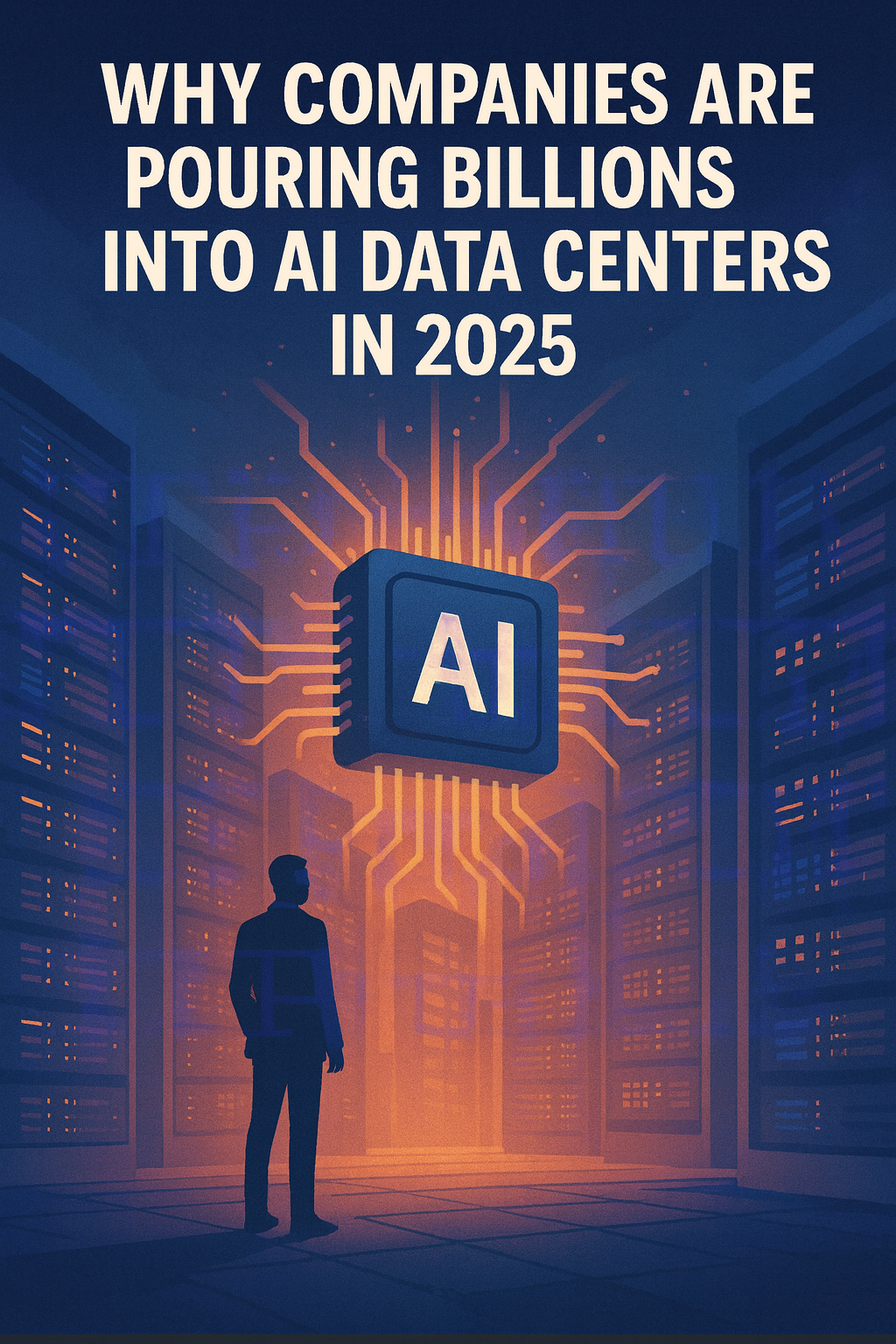
Nel 2025, il massiccio aumento degli investimenti nelle infrastrutture dei centri dati specifici per l'IA è inconfondibile. Da miliardi di impegni di capitale da parte di giganti tecnologici a fondi sovrani che sostengono aggressivamente nuove strutture, l'economia digitale del mondo sta riflettendo su ciò che potrebbe essere chiamato "A compute arms-race". Qui di seguito esploriamo le principali forze che spingono le aziende a versare miliardi in centri dati AI, le modifiche architettoniche e operative alla base del cambiamento, il modo in cui i modelli di business si adattano, e quali sono i rischi e le implicazioni future per organizzazioni come la tua (con un profondo interesse per le infrastrutture, l'analisi comparativa, lo scarico dei calcoli, ecc.).
L'entità dell'investimento
Per cogliere lo slancio, ecco alcuni dati rappresentativi:
-
I piani Microsoft sono circa 80 miliardi di dollari nel bilancio 2025 per costruire centri dati abilitati all'IA, in particolare negli Stati Uniti. Reuters
-
Il boom globale dell'investimento in data center legato all'IA è stimato nei trilioni: un articolo ha preso atto di un boom della spesa in data center di 3 trilioni di AI. Il guardiano
-
Secondo una revisione del 2025 degli investitori dei data center, imprese come Blackstone, Bain Capital, e altre stavano attivamente impiegando capitale in strutture su larga scala e ricche di GPU. STL Partners
Questi numeri riflettono che non si tratta di una crescita incrementale.
Perché adesso?
1. Esplosione della complessità e della domanda del modello AI
L'aumento dei grandi modelli linguistici (LLM), dei sistemi generativi-AI, dei carichi di lavoro simulati e di altre attività di calcolo ha cambiato radicalmente il profilo della domanda dei centri dati:
-
La formazione e l'inferenza richiedono massiccia Ammassi di GPU, portabagagli ad alta densità, reti e raffreddamento avanzati.
-
Come un articolo descrive: "Tutti i gettoni extra generati dagli algoritmi di AI dipendono da questo strato." Guadagno
-
Le aziende passano dai tradizionali carichi di lavoro incentrati sulla CPU a quelli accelerati dalla GPU/ASIC, che guida nuovi requisiti architettonici (densità di energia, raffreddamento, connettività).
In breve: la domanda di calcolo cresce sia orizzontalmente (più modelli/utenti) che verticalmente (modelli più grandi, più parametri, più dati).
2. Vantaggi competitivi e investimenti di primo passaggio
Per molte grandi aziende tecnologiche e fornitori di cloud, la corsa non è solo un calcolo efficiente in termini di costi: si tratta di costruire il fossato delle infrastrutture:
-
Le imprese come Microsoft, Amazon AWS, Google Cloud e Meta non si accontentano di una semplice infrastruttura "in corso", stanno costruendo le loro strutture di prossima generazione per ottenere vantaggi operativi, latenti, di costo e di controllo. 174 Power Global+1
-
Per le imprese (compreso il vostro contesto di analisi comparativa, di off-load, di virtualizzazione, ecc.), l'accesso a infrastrutture specializzate dà un differenziatore: iterazione del modello più veloce, minore inferenza, maggiore formazione a valle.
Quindi le imprese sono disposte a impegnare "billions" per bloccare questo valore futuro.
3. Infrastrutture come risorsa strategica
I centri di dati non sono più solo attività statiche di "hosting", ma sono infrastrutture strategiche per l'IA:
-
Rappresentano beni di lunga durata (10 anni in più) e sono sempre più trattati come infrastrutture industriali critiche (energia, raffreddamento, fibra, energia rinnovabile).
-
Gli investitori e i fondi per le infrastrutture si stanno muovendo: l'elenco degli "investitori del centro dati" include ora le imprese di infrastrutture e di valore reale che vedono i centri dati come piattaforme di crescita. STL Partners
-
La natura del calcolo dell'IA significa che ciò che conta non è solo "più server", ma "i server giusti nel posto giusto" (con potenza efficiente, latenza bassa, banda alta).
Così, per le aziende, costruire il giusto centro dati AI significa spesso costruire il futuro della loro attività.
4. Energia, ubicazione e economia di scala
I centri di dati AI su larga scala sono ad alta intensità di energia, ad alta intensità di calore, ad alta intensità di spazio e beneficiano di economie di scala:
-
Un documento tecnico mostra come la co-locazione di centri di dati AI con generazione rinnovabile e sistemi intelligenti di gestione dell'energia possa ridurre significativamente i costi e l'impatto ambientale. arXiv
-
Un'altra mostra come i centri dati distribuiti e dotati di reti possano aiutare a stabilizzare le reti assorbendo carichi di calcolo enormi. arXiv
-
La posizione strategica, l'accesso a una potenza economica e rinnovabile, una politica di griglia favorevole, un terreno e un permesso per tutti. Le aziende che cercano di costruire l'IA non solo contribuiscono al costo del calcolo, ma "compute + energia + raffreddamento + immobili + connettività".
5. sovranità, regolamentazione e preoccupazioni geostrategiche
Computare non solo le questioni commerciali, ma anche politiche:
-
Un recente studio di 775 centri dati non statunitensi ha rilevato che il controllo delle infrastrutture del centro dati (che nazione, quale operatore) è sempre più una leva della sovranità digitale. arXiv
-
Alcune nazioni stanno cercando esplicitamente di attrarre investimenti in centri dati AI per catturare il valore AI a valle a livello nazionale.
-
Le imprese, al di là della latenza e dei costi, stanno pensando al rischio: rischio di regolamentazione, controllo delle esportazioni, limitazioni della catena di approvvigionamento, che spingono tutti verso infrastrutture proprietarie o strettamente controllate.
Che cosa significa "Centro dati pronto per l'IA" - cambiamenti architettonici chiave
Costruire centri dati per i carichi di lavoro per l'IA è materialmente diverso dai centri dati tradizionali per le imprese o per il cloud-hosting. Alcune delle principali differenze:
-
Densità di potenza: I portali per IA possono richiedere decine di kilowatt (kW) per portali piuttosto che pochi. Il raffreddamento e la distribuzione di energia devono sostenere questo.
-
Sistemi di raffreddamento: Il raffreddamento a liquido, il raffreddamento diretto a chip, il raffreddamento ad immersione stanno diventando più comuni per i complessi gruppi di GPU.
-
Connettività e latenza: I grandi gruppi di GPU richiedono spesso interconnessioni molto veloci (NVLink, CXL, PCIe, Ethernet ad alta velocità) e collegamenti a bassa latenza con lo stoccaggio, la rete, i servizi a bordo.
-
Disegno modulare e diffusione rapida: Alcuni nuovi operatori stanno progettando centri di dati modulari "GPU-pods" o containerizzati in modo da poter sviluppare rapidamente una grande capacità.
-
Infrastrutture energetiche e sostenibili: Poiché il potere è costoso e sempre più controllato, molti impianti co-locano le energie rinnovabili, usando un cambio di carico intelligente, costruendo siti a basso costo, o negoziando accordi su larga scala.
-
Ciclo di vita dell'hardware specializzato: A differenza dei server tipici, i cluster di IA si agganciano ai cicli di aggiornamento della GPU/acceleratore (ad esempio, ogni ~18-24 mesi), il che significa che l'infrastruttura deve supportare gli aggiornamenti, il raffreddamento, i carichi ad alta densità.
-
Strategia di localizzazione: La vicinanza ai centri di ricerca del modello AI, alle fonti di dati, agli endpoint degli utenti e alla connettività alla materia di installazione cloud/ibride.
Per chiunque nel suo campo (analisi comparativa dell'IA, utilizzo pesante di GPU, virtualizzazione, ecc.), l'obiettivo è: l'infrastruttura è ora un differenziatore primario, non solo un costo.
Implicazioni del modello di business - Perché le imprese investono
Dal punto di vista commerciale, la logica di investire pesantemente nelle infrastrutture del centro dati AI rientra in diversi secchi:
I nuovi flussi di entrate
Le aziende vedono la transizione verso l'IA come la creazione di nuove linee di business: formazione di modelli, inferenza come servizio, consulenza per IA aziendale, dispiegazioni per IA di bordo. Per sostenerli, avete bisogno dell'infrastruttura. Senza questo, rischi di dipendere da terzi.
• Controllo dei costi e miglioramento dei margini
Possedendo o controllando le infrastrutture ottimizzate per i carichi di lavoro AI, le imprese mirano a ridurre i costi operativi per l'ora di riferimento o di formazione. Per gli iperscalatori, l'economia di scala può abbassare i costi per permettere nuovi servizi con margini interessanti.
• Vantaggi strategici e lock-in
Gli investimenti nelle infrastrutture creano fossati: una volta che un'organizzazione possiede o controlla una notevole capacità di calcolo dell'IA, diventa più difficile per i concorrenti. Inoltre, l'integrazione con hardware proprietario, stack di software, raffreddamento personalizzato, ecc. aumenta i costi di cambio.
• Sostenere l'innovazione interna
Nel vostro mondo di scaricamento di GPU, analisi comparativa dell'IA, virtualizzazione, sviluppo di strumenti: avere accesso a grandi impianti di calcolo permette un'iterazione più veloce, esperimenti più grandi e vantaggio competitivo interno. Si tratta di un investimento di produttività, non solo di infrastrutture.
• Infrastrutture come servizio per gli altri
Alcune aziende stanno costruendo centri di dati AI per soddisfare le loro esigenze. e offrire capacità ad altri (ad esempio, start-up AI, società SaaS). Questo doppio modello permette la monetizzazione dell'eccesso di capacità.
• Controllo e copertura dei rischi
Dato che l'IA diventa centrale per i modelli di business, la dipendenza da fornitori esterni o dal cloud può diventare solo una strozzatura o un rischio (latency, data-overeignty, inflazione dei costi). Investire nelle infrastrutture è una copertura.
Le dinamiche regionali e industriali
-
Il boom degli investimenti è globale: Asia-Pacifico, Europa, Medio Oriente, tutti alla ricerca di campus di AI. Per esempio, la Francia ha annunciato un investimento importante per ottenere "ritorni nella corsa" con campus dedicati al supercomputing e al centro dati. Le Monde.fr
-
I mercati emergenti possono diventare attraenti a causa dei vantaggi della terra, del potere o della regolamentazione (in particolare per le infrastrutture IA ad alta intensità energetica).
-
Sono coinvolte anche le industrie al di fuori della tecnologia pura: i servizi finanziari, l'auto, l'assistenza sanitaria, l'industria manifatturiera investono sempre di più nelle infrastrutture interne dell'IA e quindi alimentano la domanda di "centri dati AI".
Sfide chiave e rischi
Mentre la logica è forte, questi investimenti non sono senza rischi e complessità significativi:
-
Intensità di capitale elevata: Si tratta di impegni multimiliardi con lunghi orizzonti prima del rimborso.
-
Cambiamento tecnologico rapido: L'hardware, il raffreddamento, il panorama in rete per l'IA evolvono rapidamente; gli investimenti nell'architettura di oggi possono diventare subottimali in pochi anni (ad esempio, la nuova generazione di GPU, la nuova memoria/architettura, le interconnettenze ottiche).
-
Energia e pressioni di sostenibilità: Man mano che cresce l'intelligenza artificiale, anche il consumo di energia e l'impronta di carbonio. I regolatori, le comunità e le imprese sono sotto pressione per garantire la sostenibilità. I documenti mostrano come i centri dati consociati da fonti rinnovabili possano aiutare, ma aggiungono anche complessità. arXiv
-
Sfide e vincoli di potere: Molte regioni faticano a fornire il potere necessario o una connettività affidabile, o possono affrontare ritardi di autorizzazione/contratto.
-
Rischio geopolitico/regolatorio: Le infrastrutture possono essere soggette a controlli all'esportazione, leggi sulla sovranità dei dati, intervento del governo. I documenti che studiano i centri dati non statunitensi dimostrano che la nazionalità e il controllo degli operatori contano. arXiv
-
L'incertezza della domanda: Mentre cresce la domanda di IA, la forma esatta, la tempistica e il modello di business dei futuri carichi di lavoro sono ancora incerti. C'è il rischio di sovraccapacità o spese sprecate se la domanda evolve in modo diverso.
-
Rischio di raffreddamento/termale: Con l'aumento delle densità, la gestione del raffreddamento diventa non banale (rischio di fallimento, mitigazione del calore, aumento dei costi).
-
Restituzione della pressione sugli investimenti (ROI): Gli investitori (fondi di infrastruttura, REIT, ecc.) stanno valutando quale sarà il modello di reddito dei centri dati AI, oltre a "solo hosting".
Cosa significa (e cosa dovrebbe considerare)
Considerati il vostro interesse per l'analisi comparativa delle GPU, i flussi di lavoro dell'IA, la virtualizzazione e le infrastrutture, ecco alcune implicazioni e considerazioni attuabili:
Piano per un accesso più alto alla capacità di calcolo
-
Se stai sviluppando delle suite di benchmarking per l'IA o strategie di off-load (GPU/CPU/DirectML/ONNX, ecc.), prevedrai che le grandi organizzazioni avranno sempre più accesso all'interno o all'esterno a cluster "a pronti per l'IA".
-
Se ci si affida solo a cloud/virtualizzazione delle merci, si può trovare un sub-ottimale rispetto alle organizzazioni che hanno centri dati personalizzati per l'IA.
La strategia delle infrastrutture dovrebbe evolvere
-
Considerate dove dirigere i vostri carichi di lavoro: cluster interno vs. terze parti vs. centro dati AI su larga scala.
-
Valutare se i suoi strumenti di analisi comparativa o di messa a disposizione sono adattati al nuovo paradigma "dense GPU cluster" (ad esempio, l'interconnessione ad alta banda, il raffreddamento diretto a chip, il portabagagli da 50 kW).
-
Pensate alla scalabilità, al costo dell'energia, al raffreddamento e all'infrastruttura elettrica come parte della vostra pila (non solo calcolo).
Sostenibilità ed energia dovrebbero far parte della pianificazione
-
Con l'aumento dei carichi di calcolo, anche i costi dell'energia e del raffreddamento. Costruire o utilizzare l'infrastruttura dell'IA in luoghi efficienti con accesso alle energie rinnovabili può incidere in modo sostanziale su TCO e scheduling.
-
Se si analizzano i sistemi, si includono i parametri dell'energia per tonnellata o dell'energia per inferenza.
Gli ecosistemi dei venditori e dell'hardware contano
-
La catena di fornitura dei componenti (GPU, ASIC, interconnettenze, memoria) è sempre più legata ai grandi dispiegamenti del centro dati. Ciò significa che l'infrastruttura per cui si analizza o si sviluppa si evolverà rapidamente e può dipendere da partenariati o scale.
-
L'accesso all'hardware dell'IA di prossima generazione (ad esempio, le GPU progettate per la scala dei data center, gli ASIC personalizzati, l'interconnessione CXL, il raffreddamento a liquido) potrebbe essere un differenziatore.
Strategia per la mitigazione dei rischi
-
Poiché i cicli d'investimento sono lunghi e grandi, considerare la diversificazione (nuvola ibrida + bordo on-prem + edge) piuttosto che pensare che tutti i calcoli migrano verso i "centri dati AI".
-
Controllare i rischi di regolamentazione e di sovrasfruttamento nei luoghi in cui si trovano i centri dati o come vengono gestiti.
-
Siate consapevoli di possibili scenari di sovraccapacità che potrebbero ridurre i margini per gli operatori del centro dati (che potrebbero influire sulla disponibilità, sui prezzi).
Un'opportunità di benchmarking e di tooling
-
Il vostro interesse per le suite AI-Benchmark, la scarica e la virtualizzazione della GPU potrebbe allinearsi alla tendenza emergente dell'architettura "AI-data-centre". Ci sarà l'opportunità di comparare le nuove architetture, confrontando i centri dati dedicati all'on-prem rispetto al cloud, modellando gli scambi di energia/costo/attraversoput.
-
Considerate la creazione di moduli/strumenti che aiutino le imprese a valutare quando costruiscono il loro centro dati AI ha senso rispetto alla capacità di leasing degli operatori iperscala.
Guardare avanti.
Ecco alcuni temi lungimiranti che le aziende e i benchmarkers (come voi) dovrebbero monitorare:
-
Sbalzi architettonici: La prossima generazione di hardware AI (ad esempio, GPU più efficienti, acceleratori personalizzati, chiplet, disaggregazione della memoria) influenzerà ciò che significa "Centro dati AI" nel 2026-27.
-
Centri dati AI di bordo: Mentre molti investimenti sono destinati a campus iperscalati, l'AI edge (più vicino agli utenti) può guidare mini centri dati per l'inferenza a bassa latenza.
-
Innovazione nel campo dell'energia e del raffreddamento: Il raffreddamento a goccia, il raffreddamento a liquido, la co-locazione rinnovabile, la scheduling a carico intelligente diventeranno sempre più importanti man mano che il potere diventa il fattore limitante.
-
Calcolatore sovrano e hub regionali: Un maggior numero di governi può incentivare lo sviluppo locale del centro dati AI per motivi di sovranità e di riservatezza. Questo potrebbe aprire nuovi mercati e pressioni normative.
-
Evoluzione del modello di business: I modelli "Compute-as-a-service" per l'IA possono crescere: le imprese che acquistano cluster personalizzati per la formazione/inferenza dell'IA, piuttosto che affittare la capacità generica del cloud.
-
Sostenibilità e impronta ecologica: Man mano che cresce l'intelligenza artificiale, il controllo pubblico e regolamentare sull'energia, le emissioni e la sostenibilità aumenteranno: gli operatori del centro dati dovranno misurare e ottimizzare le misurazioni dell'energia e delle prestazioni.
-
Rischio di sovraccapacità: Come per ogni boom delle infrastrutture, il rischio di "troppo molti portali che inseguono carichi di lavoro non ancora maturi" è reale. I tempi della domanda e la capacità contano.
Conclusione
L'alluvione degli investimenti nei centri dati AI nel 2025 non è solo una continuazione della crescita delle nuvole, è un cambiamento strutturale nel modo in cui l'infrastruttura informatica è costruita, utilizzata e monetizzata. Per le imprese, la decisione di versare miliardi in capacità di centro dati AI è guidata da:
-
La scala e la velocità del carico di lavoro AI.
-
L'imperativo strategico di possedere l'infrastruttura (o di avere un accesso preferenziale) che alimenta l'IA.
-
L'economia della scala, dell'energia e delle prestazioni che favorisce le strutture specializzate su larga scala.
-
L'evoluzione della nozione di centri di dati come attività strategica e competitiva piuttosto che solo "aziende di osservazione".


 12977
12977  IT Pro