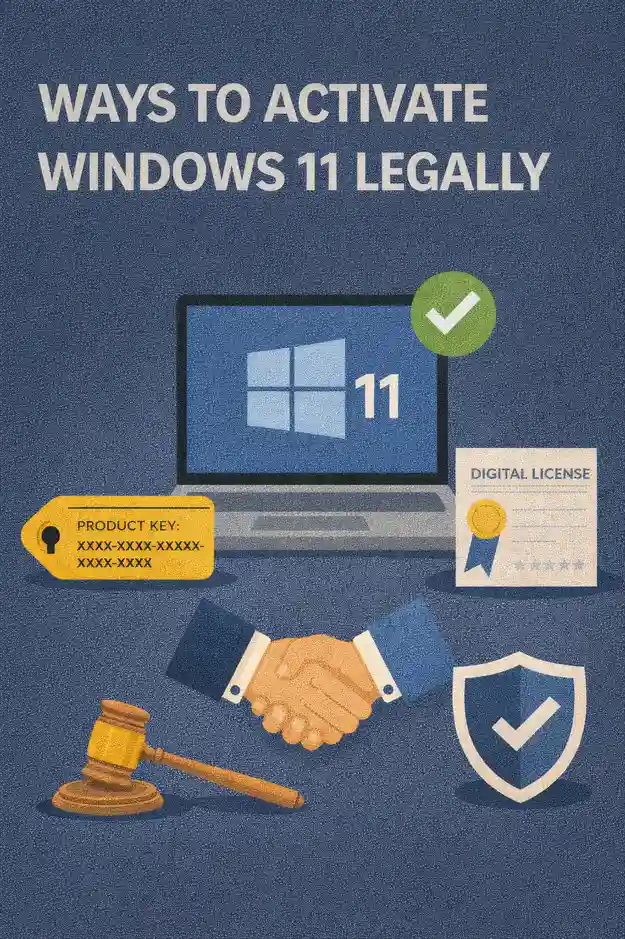
Windows 11 activering is meer dan een pop-up die je wilt laten verdwijnen. In beheerde omgevingen, activering is een compliance control, een asset management signaal, en soms een probleemoplossing broodkruimel dat beeldvorming drift bloot, mis-scoped licentie, of apparaat identiteit problemen. Voor IT-professionals betekent "juridische activatie" dat het apparaat goed is gelicentieerd voor de Windows 11 editie in gebruik, geactiveerd via een goedgekeurd kanaal, en auditable end-to-end.
Dit artikel loopt door praktische, juridische manieren om Windows 11 te activeren over gemeenschappelijke scenario's: aankoop van een apparaat, OEM-vloten, bedrijven die Volume Licensing gebruiken, organisaties met Microsoft 365 abonnementen, en gemengde landgoederen die nieuwe hardware mengen met gereimagede systemen. Het doel is niet alleen om succesvol te activeren, maar om het te doen op een manier die overleeft herbouwt, audits, en toekomstige hardware vernieuwen cycli.
Wat juridische activering betekent in een IT-context
Een Windows-installatie kan worden geactiveerd terwijl nog steeds niet-conform als de onderliggende licentierechten niet overeenkomen met het apparaat en implementatie scenario. Wettelijke activering vereist doorgaans het volgende:
- Windows is geïnstalleerd met de juiste editie (Home/Pro/Enterprise/Education) die uw organisatie mag uitvoeren.
- De activeringsmethode sluit aan bij het licentietype (Retail, OEM, Volume, abonnementsgebonden rechten).
- De licentie wordt toegekend aan de juiste entiteit (apparaat vs gebruiker), indien van toepassing.
- U kunt recht en activering aantonen in een audit (aanbestedingsdossiers, overeenkomsten, sleutels, of inschrijvingsopdracht).
Activering is de technische bevestiging; licentieverlening is het wettelijke recht. Sterke IT-praktijk behandelt hen als onderling verbonden, maar aparte controles.
Retaillicenties voor individuele apparaten en kleine organisaties
Retaillicenties blijven de eenvoudigste juridische route voor standalone apparaten of kleine teams die geen gecentraliseerde activering exploiteren. Een retaillicentie wordt doorgaans via geautoriseerde kanalen gekocht en geactiveerd via een productsleutel of een digitale licentie die gekoppeld is aan een Microsoft-account, afhankelijk van hoe het werd gekocht en gebruikt.
Retail activatie is een goede pasvorm wanneer apparaten worden gekocht ad hoc, licht beheerd, of toegewezen aan gebruikers die kunnen bewegen tussen machines slechts af en toe. Vanuit IT-oogpunt is retail het makkelijkst wanneer je voorspelbare, eenmalige activeringen met minimale infrastructuur nodig hebt.
Operationele tips voor IT profs:
- Document aankoop bewijs en houd ze gebonden aan het apparaat activa record.
- Standaardiseren van uw editie keuze (meestal Pro in zakelijke contexten) om functie en beleidsfragmentatie te voorkomen.
- Plan voor herbeelding: houd een gecontroleerd proces voor het opnieuw toepassen van de juiste editie en activering pad na herbouwen.
OEM-licentie op nieuwe hardware
De meeste business-class PC's schip met een OEM-licentie ingebed in firmware. Voor IT is OEM-licentie aantrekkelijk omdat het recht permanent aan het apparaat is verbonden. In veel gevallen zal een schone Windows opnieuw installeren automatisch de ingebouwde sleutel ophalen en activeren zodra het apparaat online is.
OEM activering is wettelijk passend wanneer u gebruik maakt van de licentie die kwam met die specifieke machine, en u niet verplaatsen dat recht op een ander apparaat. Het is vaak de basislicentie in vloten, vaak gekoppeld met upgrades of Enterprise rechten via volume of abonnementsprogramma's.
Operationele tips voor IT profs:
- OEM-rechten vastleggen als onderdeel van de aankoopinname en het merken van activa.
- Zorg er bij het standaardiseren van afbeeldingen voor dat de afbeelding geen onjuiste editie forceert die OEM-gebaseerde activering voorkomt.
- Wees voorzichtig met moederbord vervangers: OEM recht is meestal gebonden aan de oorspronkelijke hardware identiteit.
Digitale licentie gekoppeld aan hardware-identiteit
Windows 11 kan activeren met behulp van een digitale licentie (soms digitaal recht genoemd) die ..aan het apparaat . hardware identiteit na een legitieme activering optreedt . Dit kan de wederopbouw vereenvoudigen omdat het apparaat automatisch kan reactiveren zodra het de activeringsdiensten van Microsoft bereikt.
In praktische IT-workflows helpt digitale licentieverlening bij het frequent uitvoeren van schone installaties, het vervangen van schijven of het roteren van beelden over een stabiele hardwareset. Het is nog steeds essentieel dat het oorspronkelijke recht legitiem was, en dat de geïnstalleerde editie overeenkomt met de licentierechten.
Operationele tips voor IT profs:
- Gebruik consistente editie en beeldvorming praktijken om toevallige Home/Pro/Enterprise mismatches te voorkomen.
- Valideer dat geactiveerde ... uitlijnt met uw licentie records, vooral na reimaging of huurder wijzigingen.
- Bij het oplossen van problemen, bevestig het apparaat activeren kanaal en editie voordat iets anders te veranderen.
Volumelicentie met MAK voor gecontroleerde, offline-vriendelijke activering
Multiple Activation Key (MAK) is een Volume Licensing methode ontworpen voor organisaties die directe activeringen tegen Microsoft-diensten nodig hebben zonder een lokale activeringsserver te draaien. MAK wordt vaak gebruikt voor apparaten die zelden op het bedrijfsnetwerk aanwezig zijn, geïsoleerd zijn of moeten worden verstrekt in omgevingen waar een Key Management Service (KMS) host niet praktisch is.
Op MAK gebaseerde activering kan een sterke juridische optie zijn wanneer uw organisatie de juiste volumeovereenkomsten heeft en u het belangrijkste gebruik verantwoord beheert. Vanuit IT-oogpunt is het risico minder technisch en operationeel: je moet de sleutel beschermen, lekkage voorkomen en het verbruik volgen.
Operationele tips voor IT profs:
- Behandel MAK's als referenties: beperken toegang, veilig opslaan, en vermijden inbedding in publieke scripts of gedeelde afbeeldingen.
- Nummers van activeringen tellen en binden elke activering aan een asset record voor audit gereedheid.
- Gebruik implementatietools om toetsen op een gecontroleerde manier toe te passen, in plaats van handmatig sleutels te typen op eindpunten.
KMS voor activering op bedrijfsschaal met gecentraliseerde controle
Key Management Service (KMS) is een klassieke enterprise benadering voor het activeren van Windows op schaal. Een KMS-host binnen uw omgeving activeert klanten die voldoen aan uw licentievereisten en kan de activering periodiek verlengen door contact op te nemen met de KMS-host. Dit vermindert per-device key handling en ondersteunt grote vloten, vooral in hybride of on-prem-zware organisaties.
KMS is een wettelijke activeringsmethode alleen wanneer u een goede licentie heeft en de dienst volgens de voorwaarden van Microsoft. Bij bedrijfsactiviteiten wordt KMS vaak gewaardeerd omdat het kan worden geïntegreerd in beeldverwerkingspijpleidingen en beheerd zoals andere interne infrastructuurdiensten.
Operationele tips voor IT profs:
- Houd hoge beschikbaarheid voor KMS waar activeringscontinuïteit van belang is, vooral voor afgelegen sites en VDI-omgevingen.
- Monitor DNS en tijd synchroniseren; veel
- Gebruik firewall- en segmentatieregels die het vereiste activeringsverkeer mogelijk maken zonder dat de service wordt overbelast.
Active Directory-gebaseerde activering voor domeingebonden apparaten
Voor organisaties diep geïnvesteerd in Active Directory, AD-gebaseerde activering kan de ervaring voor domeingebonden Windows 11 apparaten vereenvoudigen. Dit model vermindert het vertrouwen op per-device key entry en kan de activering stroomlijnen als onderdeel van domein onboarding, vooral in omgevingen waar apparaten regelmatig opnieuw worden geimaged of opnieuw worden uitgegeven.
De juridische basis komt nog steeds voort uit het hebben van passende volumerechten. Het operationele voordeel is de afstemming tussen identiteit (domeinjoin), configuratie (beleid) en recht (activering), die gemakkelijker op schaal te ondersteunen zijn.
Operationele tips voor IT profs:
- Zorg ervoor dat uw editie strategie consistent is over beeldvorming en provisioning workflows.
- Valideer de beschikbaarheid van replicatiegezondheids- en domeindiensten op externe sites.
- Bewaar duidelijke documentatie waarvan de activeringsmethode standaard is voor welke apparaatklasse.
Abonnementsgebaseerde activering met Microsoft 365 en Windows Enterprise-rechten
Veel organisaties activeren of upgraden eindpunten via een abonnement licentie, vooral waar Windows Enterprise rechten zijn gebonden aan Microsoft 365 plannen. Dit kan aantrekkelijk zijn in moderne managementmodellen omdat het recht en de naleving kunnen worden afgestemd op gebruikersidentiteit en organisatorische opdrachten in plaats van het hanteren van productsleutels apparaat-voor-apparaat.
Abonnement activering wordt vooral relevant wanneer u verhuist naar cloud identiteit, met behulp van Entra ID (Azure AD) join, co-management, en moderne provisioning. Voor IT-professionals is de sleutel om uw abonnementen op het apparaat en gebruikersscenario's correct in kaart te brengen en ervoor te zorgen dat de apparaten voldoen aan de editie- en subsidiabiliteitseisen.
Operationele tips voor IT profs:
- Zorgen voor nauwkeurige licentietoewijzingen van gebruikers en offboarding processen om drift van rechten te voorkomen.
- Uitlijnen join state (domein join, hybride, Entra ID join) met uw beoogde activeringsmodel.
- Gebruik rapportage om te bevestigen dat de eindpunten zijn zowel geactiveerd en naar behoren recht op de abonnementsvoorwaarden.
Activering voor virtuele machines en VDI
Virtuele desktops en server-gehoste VDI brengen licentie complexiteit omdat rechten kunnen worden gekoppeld aan gebruikers, apparaten, of toegangsmethoden afhankelijk van uw overeenkomsten en architectuur. Wettelijk activeren van Windows 11 in VMs omvat meestal enterprise-grade licentiekaders, en de technische activeringsmethode moet overeenkomen met het wettelijke recht om Windows te draaien in dat virtualisatie scenario.
Vanuit het oogpunt van IT-operaties is consistentie de prioriteit. Gouden beelden, samengevoegde desktops en niet-persistente VDI kunnen activeringslawaai genereren als het gekozen activeringsmodel niet is ontworpen voor die levenscyclus. Juiste planning hier voorkomt eindeloze
Operationele tips voor IT profs:
- Definieer of VDI persistent of niet-persistent is en kies een activeringsaanpak die dat gedrag ondersteunt.
- Zorg ervoor dat uw afbeelding pijplijn niet kloon staat die herhaalde activering karn veroorzaken.
- Houd duidelijke registers bij van het recht op virtualisatiegebruik om te voldoen aan audits.
Herbeelding van rechten en waarom ze ertoe doen
Een van de meest voorkomende bronnen van onbedoelde niet-naleving is een herformulering zonder verduidelijking van de onderliggende licentierechten. IT-teams vaak implementeren een gestandaardiseerde Windows 11-afbeelding over gemengde hardware, dan aannemen dat de activering geslaagde .. is gelijk aan een licentie correct. In werkelijkheid kunnen reimagerechten en editierechten variëren op basis van de manier waarop het apparaat werd gelicentieerd en welke overeenkomsten het dekken.
Best practice is het documenteren van een reimage beleid dat, in duidelijke termen, welke afbeelding wordt goedgekeurd voor welk apparaat types, welke licentierechten backs het, en welke activeringsmethode moet worden weergegeven op het eindpunt na implementatie.
De juiste activeringsmethode kiezen per omgevingstype
Juridische activering is makkelijker wanneer u de activering aanpak van het apparaat levenscyclus en connectiviteit. Gemeenschappelijke patronen omvatten:
- Kleine kantoren met lichtmanagement: Retail of OEM activering, met gedisciplineerde inkoop tracking.
- Traditionele onderneming LAN: KMS of AD-gebaseerde activering, gestandaardiseerde beeldvorming, sterke monitoring.
- eerste apparaten op afstand: MAK of op abonnement gebaseerd recht gekoppeld aan gebruikersidentiteit en modern beheer.
- Gemengde nalatenschap: Een duidelijke matrix die apparaatklasse naar editie, recht, en activeringskanaal in kaart brengt.
Hoe diverser uw wagenpark, hoe meer u profiteert van een geschreven "inschakelstandaard" die improvisatie bij de helpdesk voorkomt.
Vermijden van gemeenschappelijke valkuilen voor naleving en inzet
Veel activeringsproblemen zijn zelf toegebracht. Een paar patronen verschijnen herhaaldelijk in bedrijfsomgevingen:
- Edition komt niet overeen: Pro licentierechten maar Enterprise geïnstalleerd, of Home geïnstalleerd op een bedrijf apparaat per ongeluk.
- Sleutellekkage: MAK's ingebed in scripts, afbeeldingen of documentatie die zich verspreidt buiten de beoogde beheerders.
- Gekloonde afbeeldingen met slechte staat: Onjuiste beeldvormingspraktijken die identificaties of licentiestaten repliceren.
- Gesplitste identiteitsmodellen: Apparaten die bewegen tussen werkgroepen, domain join, en cloud verbinden zonder een gedefinieerde activeringsstrategie.
- Aangenomen dat activering het recht bewijst: Activeringssucces kan nog steeds niet in overeenstemming zijn als aanbestedingen en rechten niet op één lijn worden gebracht.
Een eenvoudige maar effectieve governance stap is het houden van een "inschakelen" en recht op een checklist in uw implementatie runbooks, en het opnemen van licentiecontroles in endpoint compliance rapportage.
Operationele validatie: het bewijzen van Windows 11 is geactiveerd en heeft het recht
In de praktijk heeft IT twee soorten bewijs nodig: technische staat en licentiebewijs. Technische staat antwoordt of Windows 11 is actief en welk kanaal het gebruikt. Licentiebewijs beantwoordt of je het recht hebt om die editie uit te voeren op dat apparaat of voor die gebruiker.
Een sterk operationeel model omvat:
- Asset records die aankoopkanaal (OEM, retail, volume, abonnement) en apparaatidentificaties omvatten.
- Implementatie documentatie die bepaalt welke editie standaard is en waarom.
- Regelmatige naleving controleert dat markering eindpunten die onverwachte edities of activeringskanalen draaien.
- Een gecontroleerd uitzonderingsproces voor speciale gevallen (labs, kiosks, lucht-gapped systemen, VDI pools).
Wettelijk betekent niet ingewikkeld: eenvoudig houden op schaal
Als u wilt dat Windows 11 activering saai zijn, standaardiseren agressief. Kies een klein aantal ondersteunde activeringspaden, bind ze aan duidelijke apparaatcategorieën, en maak de juiste manier de gemakkelijkste manier. Op het moment dat technici het gevoel hebben dat ze moeten improviseren, verhoog je zowel steun incidenten als audit risico.
Veel organisaties landen op een stabiele combinatie zoals OEM als de basisrechten voor nieuwe hardware, plus een volume of abonnement laag die Enterprise functies en gecentraliseerde activering mogelijk maakt. Anderen kiezen voor een mix van KMS voor campusnetwerken en MAK of abonnementsactivering voor altijd-remote eindpunten. De exacte mix is minder belangrijk dan opzettelijk en consistent zijn.
Een praktisch activeringsspeelboek voor IT-professionals
Als u een veldgeteste manier nodig hebt om Windows 11 activatie legaal en ondersteunend te houden, bouw dan een afspeelboek met daarin:
- Een beleid dat apparaat types in kaart brengt naar Windows editie en rechten bron.
- Een standaard activatiemethode per apparaattype, met escalatiepaden voor uitzonderingen.
- Veilige behandelingsprocedures voor sleutels, inclusief toegang tot de minst bevoorrechte en periodieke toetsing.
- Imaging standaarden die editie drift voorkomen en de activering karn verminderen na de wederopbouw.
- Compliance rapportage die activeringsstaat combineert met aanbestedings- en abonnementstoewijzing.
Als je het goed doet, wordt juridische activering een voorspelbare uitkomst van je implementatie architectuur, geen terugkerend project. Dat bevrijdt uw team om zich te concentreren op het werk dat daadwerkelijk beweegt de naald: apparaat beveiliging houding, patching betrouwbaarheid, configuratie hygiëne, en de productiviteit van de gebruiker.

 12992
12992  IT Pro