اندراج
گزشتہ عشرے کے دوران مصنوعی ذہانت کے لیے کششِثقل کا عالمی مرکز غیرمتوقع طریقوں سے تبدیل ہو گیا ہے ۔ ایک مرتبہ وادی سیلکون ، شینزین اور یورپی کرناٹک سینٹروں کے زیرِاثر آنے کے بعد ، اے آئی کی سرمایہکاری کا مرکز تیزی سے مشرقِوسطیٰ میں پھیل گیا ہے — بالخصوص خلیجِوسطیٰ کا علاقہ ۔
آج کے ممالک جیسے کہ متحدہ عرب امارات (UAE)، سعودی عرب، قطر، بحرین اور اومان بڑے پیمانے پر اے آئی سی شماری کے ذخائر، خود مختار ڈیٹا سینٹرز، ہائپریکل بادل کیمپس اور امتداد ڈیجیٹل تبدیلی میں رکاوٹ ہیں۔ ان کا مقصد واضح ہے:
اے آئی اے کی تربیت، بادل کی صلاحیت اور شمارندی مرکبات کے لیے دنیا کا پریمیئر بن جانا—اور اسے حاصل کرنے کے لیے ان کے پاس دار الحکومت، فوری اور حکمت عملی ہے۔
اس مضمون میں اس بات کا جائزہ لیا گیا ہے کہ مشرق وسطی کیسے ترقی یافتہ دنیا کا سب سے تیزی سے ترقی کرنے والا عالمی مرکز بن گیا- اور عالمی ٹیکنالوجی کے مستقبل کے لیے اس کا کیا مطلب ہے۔
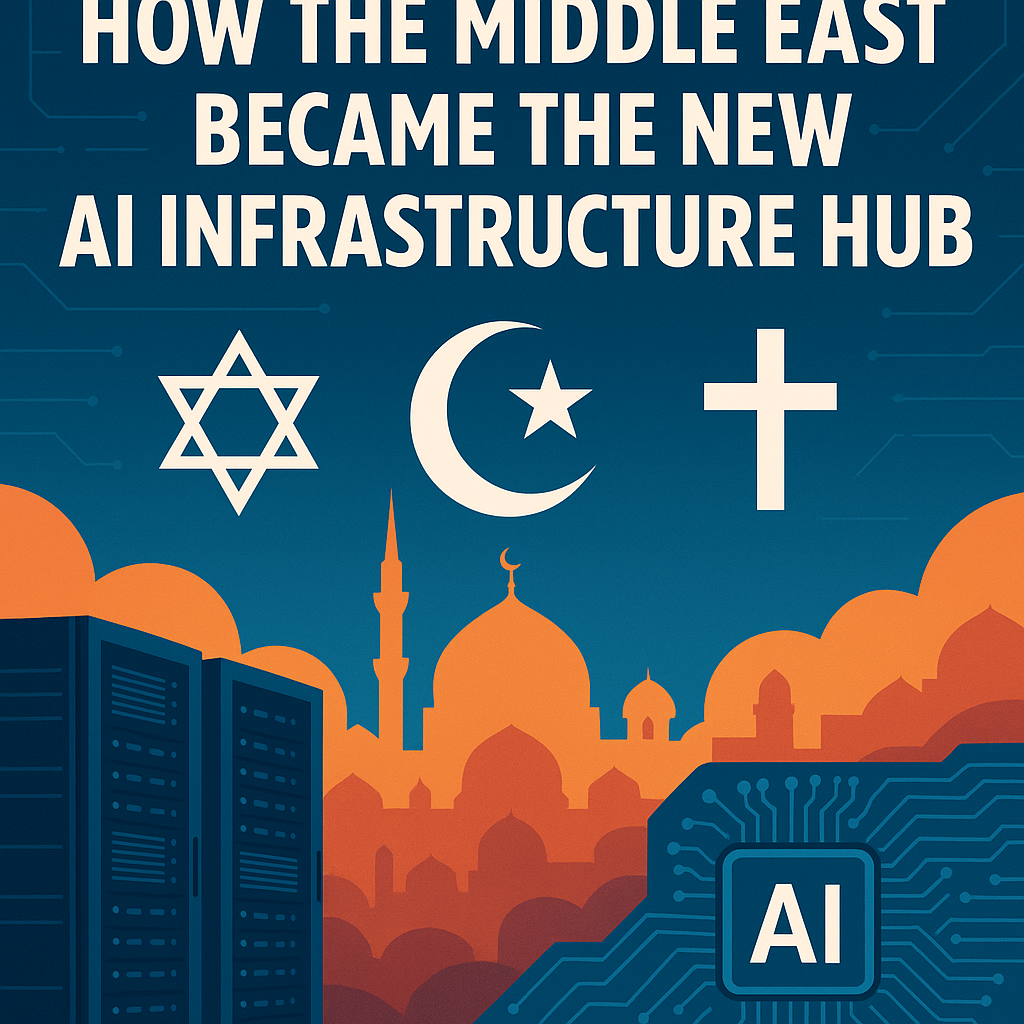
مشرقِوسطیٰ کے لوگوں نے کیوں غلط کام کئے
علاقے نے ایک اہم موڑ پہچان لیا:
اے آئی کا نیا تیل ہے.
قیمت صرف ماڈلوں میں نہیں ہے...
... لیکن میں میں اعداد و شمار، اعداد و شمار اور ان کی کارکردگی کے لیے ضروری ہے۔. .
مشرق وسطیٰ کے دور حکومتوں نے اے آئی کی شناخت یوں کی:
-
ایک کلیدی معاشی ترقی کا انجن
-
تقسیم کے بعد
-
ایک جغرافیائی امتیاز
-
قومی تحفظ
-
مقابلہبازی
جہاں دیگر علاقوں نے اے آئی سی پالیسی پر بحث کی، مشرق وسطیٰ کی طرف سے ہنگامی حالت میں
ماسوے دارالحکومت کی تقسیم کرو ڈرائیور ہے
مشرقِوسطیٰ کے بیشتر علاقوں کے برعکس ، مشرقِوسطیٰ بڑے بڑے بڑے دارالحکومت کو تباہ کر سکتا ہے بہت تیز.
کلیدی فوائد:
-
سلطنت کا مال
-
قومی ترقی کے بینک
-
قومی ڈھانچہ فنڈ
-
حکومتی پشتون تحقیقاتی اخراجات
-
عوامی طور پر میگا شرکہ -
سعودی عرب کے عوامی اقتصادی فنڈ (پی آئی ایف)، یو ای او کے مؤدالا اور قطر فضائی اتھارٹی مجموعی طور پر کنٹرول کرتے ہیں۔ ڈالر قابلِرسائی وسائل میں ۔
بنیادی طور پر دارالحکومت کی مقدار درکار ہوتی ہے ۔
علاقہ اس کا ہے۔
حکومت-Led AI ATIS Adatement Strategies -
یہ نجی کمپنی کی کوششیں نہیں ہیں ۔
مثالیں شامل ہیں:
-
یو .
-
سعودی رویا 2030
-
قطر رویا 2030
-
بحرین ڈیجیٹل اکنامک پلان
-
اومان رویا 2040
اِن سے پہلے :
-
ڈیجیٹل تبدیلی
-
خودکار سرمایہکاری
-
حاکم کے حساب
-
قومی خطرات
-
ٹیل پائپ
-
ترقی یافتہ تحقیقی مجموعے
مشرقِوسطیٰ میں ، اے آئی — لیڈرشپ کے اعلیٰ درجے پر ہے ۔
ہائیپروے ڈیٹا سینٹرز کا ریپڈ فکشن
پچھلے پانچ سالوں میں علاقہ نے دیکھا ہے:
-
گوگل کلاؤڈ علاقے لانچ کرتے ہیں۔
-
اے وی ایس ڈیٹا سینٹرز وسیع کرتے ہیں۔
-
مائیکروسافٹ Azure کیمپس تعمیر کیے۔
-
زرکل کلاؤڈ پیمانے تیزی سے
-
البیبا کلاؤڈ میں اضافہ
علاقہ اب فوجی:
کئی ہائیر پیمانے کی سہولیات
اور سینکڑوں میگاواٹ AI/compute power.
Capacity اب بھی بے چینی بڑھتی جا رہی ہے۔
سٹیج جغرافیائی اُفق
مشرق وسطی جغرافیائی طور پر جغرافیائی طور پر گرہن پر بیٹھے ہیں:
-
یورپ
-
ایشیا
-
افریقہ
یہ ربط :
-
کابل میں داخلی راستے
-
کردستان کے کم تر علاقے
-
تجارتی صنعت
-
ڈیٹا ایکسچینج
-
خدمت میں توسیع تک رسائی
علاقہ زیریں-1550مس اوبلاست کے ساتھ 3.5+ بلین افراد خدمت کر سکتے ہیں۔
یہ شمالی امریکا، جنوبی امریکا یا یورپ سے بھی ممکن نہیں۔
توانائی ^ ا ب پ ربط : ITIS TSN — اور خلیج اسے خود مختار کرتا ہے۔
ایک تربیتی پھل درکار ہے:
-
قوت استعمال
-
مضبوط گنبد
-
غیرمتوقع قیمت
-
آرام
مشرق وسطی میں کلیدی فوائد ہیں:
-
بجلی کی فراہمی
-
گیس کے ذخائر
-
قابل تجدید توسیع (خاص طور پر)
-
عالمی مارکیٹوں کے مقابلے میں کم توانائی
-
جسمانی زمین کی بڑی دستیابی
سعودی عرب اور یو آئی اے کی حکومت کے لیے مخصوص پیمانے پر اے آئی اے کے اختیارات ہیں۔
حکومت ایک اعلیٰ عہدہ ہے
بہت سے مغربی حکومتوں کے برعکس خلیجی علاقے چاہتے ہیں:
-
حکومتی اعداد و شمار
-
حاکم حساب
-
حکمران ماڈل
اس کا مطلب ہے:
غیر ملکی بادل کنٹرول پر کوئی اعتراض.
بیرونی پالیسی پابندیوں کا کوئی خطرہ نہیں۔
اعدادوشمار کی رسائی پر کوئی انحصار نہیں.
خود مختاری = مستقبل کی خود مختار ہے۔
عالمی کرناٹک کے ریلوے لائن کے بعد
علاقہ سیاحت:
-
بچوں کی رفاقت
-
کُلوقتی خدمت
-
مائکروسوفٹ بادل توسیع
-
Oracle AI data مرکز
-
ہواؤں کا بادل
-
گوگل اے آئی اے تحقیقی مراکز ہیں۔
-
سرمایہکاری کے ذرائع
نجی دارالحکومت سلطان راہی کی پیروی کرتا ہے۔
اور علاقہ تیزی سے پھیل گیا۔
تعلیم اور ٹیلنٹ پائپ لائنوں کی دیکھ بھال
مشرق وسطیٰ مقامی طور پر ٹیلنٹ تیار کر رہا ہے:
-
آئی یونیورسٹی کے پروگرام
-
اپنی زندگی میں تبدیلیاں لانا
-
سرکاری تربیتی سرگرمیاں
-
اعلیٰ تعلیمی پائپ لائنیں
-
تکنیکی طور پر قابل قبول ویز پروگرام
واحد یو این اے نے بڑے قومی سطح پر تعلیمی سرگرمیوں کا اعلان کیا ہے۔
سعودی عرب کئی ٹیک میگاکپس ادارے تعمیر کر رہا ہے۔
ٹیلنٹ درآمد + مقامی ترقی = بے چینی۔
دُنیا کے لئے یہ اہم کیوں ہے ؟
اس کے نتیجے میں عالمی پیمانے پر بجلی تقسیم کرنے میں ڈرامائی تبدیلی واقع ہوتی ہے ۔
تاریخی طور پر اعدادوشمار کی نشستیں یہ تھیں:
-
ریاستہائےمتحدہ
-
چین
اب نئی ترقیاتی اکائیاں یہ ہیں:
مشرقِوسطیٰ + ایشیا پیسیفک
اس سے متاثر ہو گا:
-
عالمی قیادت
-
بھڑکتی ہوئی آگ
-
تربیتی مقام نام
-
تبدیلیاں شروع کریں
-
سرحدی بادل کی ترقی
-
معاشی فائدہ
دُنیا دیکھ رہی ہے ۔
اگلے ۵ سالوں کے لئے
انتظار:
1۔ زیادہ سے زیادہ حکمران AII بادل ہیں۔
قومی بادل، مشترکہ بادل نہیں۔
۲ ۔
لاکھوں ہزاروں کی تعداد میں
3۔ قومی آئی اے ماڈل ترقی۔
عربی + بیٹنگ بنیادی بنیادی ماڈل
۴ : غیر ملکی سرمایہکاری کریں
امریکہ، EU، چین -- اثر کے لئے تمام مہم
5۔ مشرق وسطٰی AIBATHE East AIBAT کے انجن بن جاتے ہیں۔
ٹیکنالوجی ، گنتی اور ٹیلے
6۔ ملٹی ریجنل ڈیٹا کی ترقی
خلیج افریقہ کی سیر
علاقہ بس شروع ہو رہا ہے.
جمع
مشرقِوسطیٰ کے نئے آئین کے مطابق دُنیا کا خاتمہ ایک اتفاق نہیں ۔
جب کہ امریکا اور چین پر قابض ماڈل ڈیولپمنٹ کے دوران مشرق وسطیٰ کی حیثیت اختیار کر رہا ہے۔ عالمی مالیاتی پیمانے کا مرکز. .
یہ مختصر مدتی نہیں ہے۔
یہ ایک نئے عالمی ایّام کا آغاز ہے جس میں شمارشُدہ ، اعدادو شمار ، اعداد اور نئی تبدیلی کا کوئی مرکز نہیں ہے ۔
مشرق وسطی میں آئی اے انقلاب کی پیروی نہیں ہے۔
یہ اس کی پیشوائی کرنے میں مدد کر رہا ہے.

 12992
12992  IT Pro