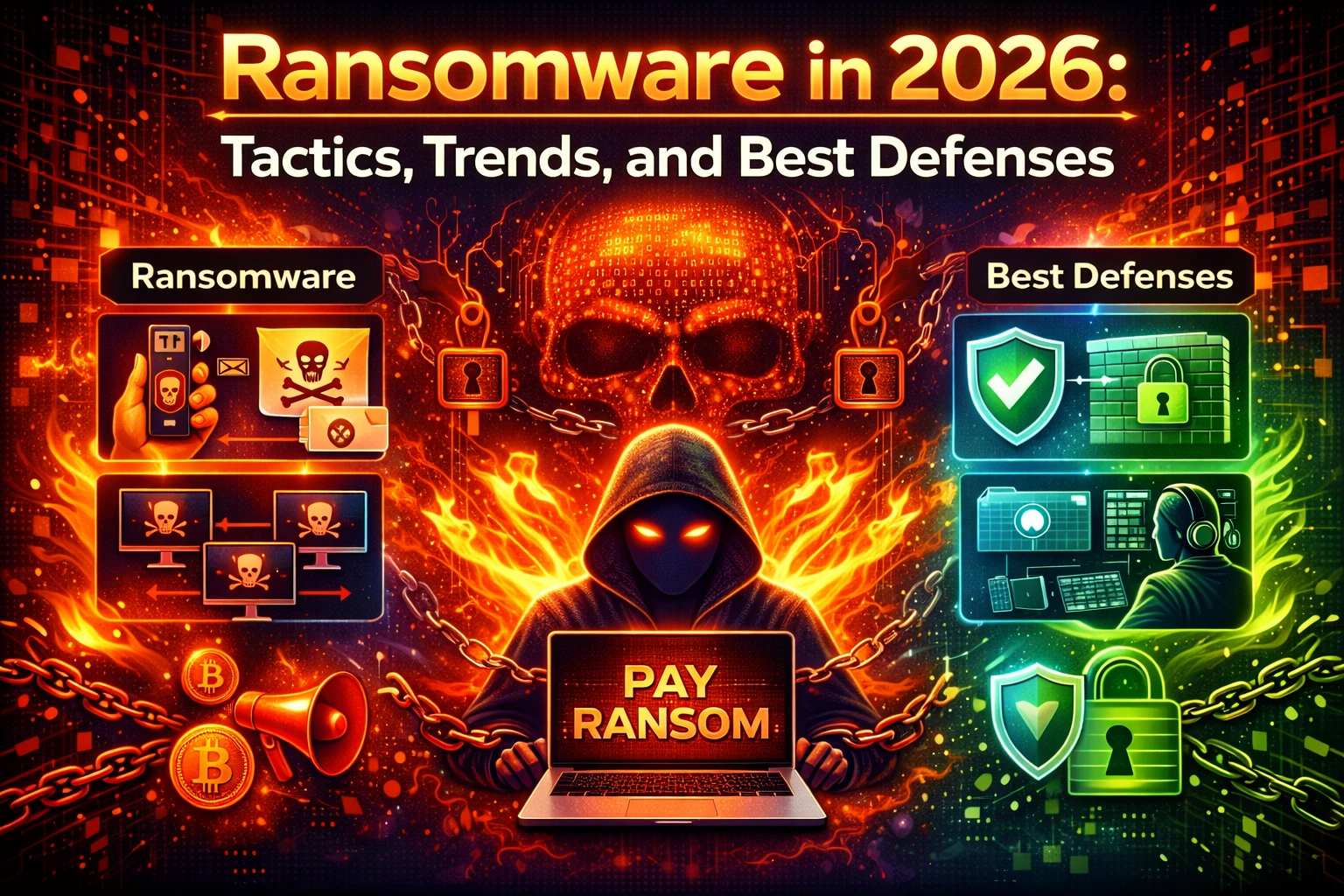
2026ء میں اب کوئی واحد واقعہ نہیں "کری-اور-دمنند" ہے۔ اس نے ایک کاروباری ماڈل پاور میں اضافہ کر دیا ہے جس کا مقصد شناختی نظاموں کے نظام کو استعمال کرنا ہے ۔ ٹی وی کے ماہرین کے لیے، یہ کام "مریخی مال کے سامان اور واپس لوٹنے" سے بدل جاتا ہے تاکہ "اپنے کاروبار کو جاری رکھنے کے لیے،
آجکل فدیے کے جدید اوزار کا کام کرنے والا شخص قسمت پر بھروسا نہیں کرتا ۔ وہ دوبارہ قابل رسائی راستوں پر انحصار کرتے ہیں، سستا غیر معمولی زیادتی، اور بلند پیمانے پر دباو والے نکات جیسے فعال ڈائریکٹری، ویژیولیشن پلیٹ فارم، بادل شناخت، اعزازی حسابات پر انحصار کرتے ہیں۔ 2026ء میں سب سے زیادہ تکلیف دہ حادثہ ہمیشہ سب سے زیادہ مضبوط چال بازوں کے ساتھ نہیں ہوتا۔ یہ وہ لوگ ہیں جو تصدیق کو منسوخ کرنے ، مرمت کرنے اور حساس اعداد و شمار کو ناپنے میں ناکام رہتے ہیں ۔
2026ء میں کیا چیز سچ لگتی ہے ؟
آجکل فدیے کے بندوبست کی وجہ سے بہت کم لوگ فوجی کارروائیوں کا نشانہ بنتے ہیں ۔ حملہآوروں کی شناخت ، خاموشی اور تباہکُن کارروائیوں سے شروع ہوتی ہے ۔
مثال کے طور پر 2026ء میں ایک واقعے میں بہت سے لوگوں پر دباؤ ڈالا جاتا ہے ۔ کچھ گروہ مکمل طور پر خفیہ طور پر حملہ کرتے ہیں اور براہ راست "دتیہ پنڈ" کے ساتھ عوامی بیداری کی دھمکیوں پر جاتے ہیں۔ کچھ لوگ ایسے بھی ہوتے ہیں جن کی وجہ سے اِس بیماری کا شکار ہو جاتے ہیں ۔
سب سے اہم مقصد یہ ہے کہ اِس کے نتیجے میں اِسے پورا کِیا جائے ۔ فرق یہ ہے کہ حملہ آور آپ کی بحالی کے راستوں پر بتدریج حملہ کر رہے ہیں—آپکا پشتو، آپ کے ہائیپرویشور فوجی، آپ کی ابلاغی سرگرمیوں، اپنے ایم ایف اے کے طریقوں اور آپ کی شناخت کی صلاحیت۔
حملہآوروں کی تعداد کیسے بڑھتی ہے ؟
2026ء میں فدیے کے سافٹ ویئر تک رسائی خریدی جاتی ہے، تجارت کی جاتی ہے اور اس کے ساتھ ساتھ تجارت کی جاتی ہے۔ بہت سے گروہ "مریخی سافٹ ویئر-as-perious" کے طور پر کام کرتے ہیں، جہاں Affilies introsion and ابتدائی رسائی، جب کہ مرکزی آپریٹرز ٹولنگ، انکارپوریشن اور ادائیگی کے آپریشنز کرتے ہیں۔ محنت کی یہ تقسیم تیزی سے پھیلتی اور وسیع پیمانے پر نشانہ بناتی ہے۔
سب سے اعلیٰ داخلی نکات غیر یقینی طور پر برقرار رہتے ہیں، لیکن ان کے دور میں اوزار سازی نے بے حد ترقی کی ہے۔
- چوری اور دوبارہ استعمال: پاس ورڈ کھانے ، چوری کرنے ، معلومات دینے والے لاگس لگانے اور وی پی این شناختی سندوں کو دوبارہ استعمال کرنے کے لئے.
- شناختی شناختی شناخت سے لگاؤ: ایم ایف اے تھکن کی طرف اشارہ کرتی ہے، اوّت رضامندی سے زیادتی کرتی ہے اور بد عنوانی اشارے میں بہہ جاتی ہے۔
- بیرونی حملے سطح کی کمزوریاں: خفیہ انتظامیہ بندرگاہوں ، گاڑیوں اور گاڑیوں کے ذریعے دُور تک رسائی کو غلط سمجھا جاتا تھا ۔
- تیسرا حصہ مصالحت: اِس سلسلے میں ایک مثال پر غور کریں ۔
- کلاؤڈ اور ایس ای او غلط استعمالات: ضعیف رسائی، ناکافی ڈیوائس اعتماد میں، اور زیادہ سے زیادہ
تکنیکی سبق براہ راست ہے: فدیے کے سافٹ ویئر اب پہلی شناخت ہے۔ اگر آپ کا شناختی جہاز کمزور ہوتا ہے تو آپ کا ماحول ایک حملہ آور شخص کے لئے مؤثر طور پر تباہکُن ہوتا ہے ۔ دفاعی کھیل بک کو تصدیق ، اعزازی رسائی اور اوزار اعتماد کا علاج کرنا ہوگا ۔
2026 Playbook: Recon, First Great, Loud Conserves,
سب سے زیادہ خطرناک مرحلے میں مکر نہیں ہوتا۔ یہ اس سے پہلے کا وقت ہے ۔ حملہ آوروں نے اب مندرجہ ذیل دریافت، صدارتی کٹائی اور اعزازات حاصل کرنے سے قبل پیش کیے۔ اگر وہ شناختی ڈھانچے کو کنٹرول کر سکتے ہیں تو وہ " امن کو دور کر سکتے ہیں" اور " موڑ" کو مرضی سے بگاڑ سکتے ہیں۔
عام حملہ آور رویوں میں حالیہ انٹرپرائز واقعات میں دیکھا گیا ہے:
- انتظامی امور، ٹرسٹ اور جماعتی پالیسیاں
- پاسولحاظ ، دُور نگرانی کرنے والے نمائندوں اور شرفبخش رسائی کیلئے سروروں کی تلاش
- پالیسی کی حفاظت، محفوظ موڈ یا غیر فعال تکنیکوں کے ذریعے
- بحالی کے عمل کو بحال کرنے کیلئے عملے اور بحالی کے واقعات
- setting exfilation پائپ لائنیں بادل ذخیرہ کرنے یا حملہ آوروں پر قابو پانے کے لیے
جب حملہ آور تیار ہو جاتا ہے تو "ممپکٹ دری" ظالمانہ طور پر مختصر ہو سکتا ہے۔ بہت سی تنظیمیں صرف اِس مسئلے کو حل کرنے کے بعد ہی اِس مسئلے کا حل تلاش کرتی ہیں ۔ ابتدائی مصالحت اور آپریشنل اثر کے درمیان یہی فاصلہ وہ جگہ ہے جہاں دفاع یا تو خاموشی سے کامیاب ہو جاتا ہے یا پھر ناکام ہو جاتا ہے۔
سب سے اہم بات یہ ہے کہ 2026ء میں کیا تبدیلی واقع ہوئی ۔
اِس کی وجہ یہ ہے کہ اِن میں بہتری آتی رہتی ہے ۔ اسکے جواب میں ، حملہآور مستقلمزاجی ، رفتار اور دباؤ کا شکار ہیں ۔ کئی رُجحانات 2026ء میں فدیے کے دفاع کی حقیقت کو واضح کر رہے ہیں ۔
حملے اصل واقعہ
حملہآور شناخت کے لئے نقلمکانی کرنے کی کوشش کر رہے ہیں کیونکہ یہ دوبارہ پیدا ہوتی ہے ۔ اگر وہ ایساو ، ڈائریکٹری سروسز یا پولیس کی پالیسیوں پر مصالحت کرتے ہیں تو وہ پیٹیایس ، سرورز ، ساایس اعداد اور کم رکاوٹوں کو ختم کرنے کے قابل ہو سکتے ہیں ۔ تیزی سے تیزی سے ٹوٹنے والی ٹائمز اکثر شناختی مصالحت سے شروع ہوتا ہے۔
پسپ سابوٹیج معیاری آپریشن پرساد ہے۔
پس حملہآوروں نے سرگرمی سے اُنکا شکار کِیا ۔ سن 2026ء میں اِس بات پر غور کِیا جا رہا ہے کہ اِس کے نتیجے میں اُن کی مدد کی جائے گی ۔ اگر حملہآور دن میں بھی آہستہ آہستہ بحال ہو سکتا ہے تو اُن کی تربیت میں اضافہ ہو جاتا ہے ۔
Exflation-First Actoration عام طور پر کیا جاتا ہے۔
بہتیرے گروہ بنیادی ادائیگی کے بوجھ کے طور پر ڈیٹا چوری کا علاج کرتے ہیں ۔ اس اقدام کے جواب میں ایک "سور اور حرکت" کی طرف سے ایک نجی، قانونی اور معروف تقریب میں داخل کیا گیا ہے. یہ اندرونی رابطہ کے مسائل کو بھی بدل دیتا ہے: آپ کو معلوم ہونا چاہیے کہ کس چیز تک رسائی کی جاتی تھی، جو نقل کی گئی تھی اور جو چیز خطرے میں رہتی ہے۔
زیادہ حملے روایتی دِنوں میں ہونے والے حملے
حملہآور لوگ زمین سے تیزی سے چلے جاتے ہیں اور عام انتظامی آلات میں شامل ہو جاتے ہیں : پاور سیل ، ڈبلیو ایم ، دُور کی سزا ، موزوں آر ڈی پی سیشن اور خودکار فریم ورک ۔ بہت سے ماحول اب بھی زیادہ اعتماد ابلاغی آلات اور زیر استعمال ان کے غلط استعمال ہیں۔ فدیے کے سافٹ ویئر دفاع میں، "ایڈمین برتاؤ" میں، نیا ناول ہے۔
2026ء میں بہترین دفاعی ادارے: عملی کنٹرولز - کہ اصل میں ناکامی
بہترین فدیہ دینے والا دفاع ایک ہی پیداوار نہیں ہے ۔ اِس کی وجہ یہ ہے کہ اِس میں بہت سی تبدیلیاں ہوتی ہیں ۔ مقصد یہ ہے کہ وقت کی حد بندی اور وقت کے تعین کو کم کیا جائے جبکہ بحالی کو یقینی بنانا بھی دباؤ کے تحت ممکن ہے۔
ماحولیاتی ترقی
فدیے کا بندوبست کرنے سے ہم نجات پا سکتے ہیں ۔ کمزور ہونے کی وجہ سے حملہآوروں کی آواز کم ہو جاتی ہے ۔
- انورس پشیننگ-ریسٹ ایم ایف اے - اعزازی کرداروں کے لیے اور اعلیٰ درجے کی رسائی کے راستے جہاں ممکن ہو۔
- غیر متصل رسائی استعمال کریں آلات کی مطابقت، جیو انفنٹری منطق اور سیشن کنٹرول کے ساتھ
- اِس سلسلے میں ایک مثال پر غور کریں ۔ صرف وقت کی بلندیوں اور سخت منظوری کے کام کو استعمال کرتے ہوئے
- علاحدہ dmin کھاتہ روزمرّہ کی غلطیوں کو تسلیم کرنے اور انہیں سخت پالیسیوں سے محفوظ رکھنے سے
- نگہبانوں کی پہچان جیسے کہ غیر معمولی علامت، ناقابل سفر، ماس نشان دہی یا منظوری کا اعلان کرتی ہے۔
اگر آپ کی تنظیم ایک شناختی اختیار پر اعتماد کرے بغیر منصوبہ بندی کے، سب سے زیادہ نقصان دہ حادثہ صرف نقطہ بندی ختم نہیں ہے۔ یہ بحالی کے دوران صارفین اور منتظمین کی تصدیق کرنے کی صلاحیت کھو رہی ہے۔
اِس شمارے میں سے . . .
فلیٹ نیٹ ورکس ایک فدیے کا فنکار ہے ۔ سیزن کو بعد کی حرکت کو سست کرنے کے لیے ڈیزائن کیا جانا چاہیے اور اس میں دھماکا خیز مواد پایا جاتا ہے۔
- الگ سے صارف سرور نیٹ ورک سے اسکرپٹ ختم کرتا ہے اور مشرق-مغربی ٹریفک کو واضح ضروریات تک محدود رکھتا ہے۔
- ریلویز Admin پروٹوکولز اس طرح انتظامیہ ٹریفک صرف سخت گیر فوجیوں سے چلتی ہے۔
- مخصوصشُدہ علاقوں کے ساتھ ساتھ شناختی ڈھانچے اور بیکاپ سسٹم کی حفاظت کریں
- غیر ضروری وراثی پروٹوکول کو معطل کریں اور کم کرنے والی سی ایم ایم او آر ڈی پی کر دیں۔
- مائیکرو سیلمنٹ کا اطلاق کریں جہاں ڈیٹا مرکزی تقریب بننے سے حتمی پوائنٹ انفیکشن کو برقرار رکھنے کے قابل ہو۔
مقصد کامل نہیں ہے ۔ مقصد یہ ہوتا ہے کہ ایک غیر منظم کام کرنے سے بچنے کے لیے ایک انٹرپرائز کو بند کر دیا جائے۔
مَیں نے اُن سے پوچھا کہ ” کیا مَیں اُن کی بات مانتا ہوں ؟ “
2026ء میں پشتون سازشوں کا اندازہ لگانا پڑے گا کہ حملہ آور پشتونوں کو نشانہ بنائیں گے۔ آپ کی پشتونوں کو غیر مستحکم اور غیر مستحکم ہونا چاہئے.
- [ تصویر کا حوالہ ] اُس نے ایسی پالیسیاں محفوظ کیں جو غیرقانونی طور پر تباہکُن یا تباہکُن مزاحمت کی مزاحمت کرتی ہیں
- رجوع لانے کی سند اتنی غیر متصل Admin کھاتہ خودبخود بحالی کے راستے تباہ نہیں کر سکتا۔
- دباؤ کے تحت بحالی حقیقتپسند وقتی مقاصد اور حقیقی نظام یوح کیساتھ
- غیرمعمولی یا منطقی نقلمکانی کرتے رہیں جو سخت راستے پر واقع ہے۔
- ہدایات : غیرمعمولی طور پر تبدیلی لانے کی کوششوں ، غیرمتوقع تبدیلیاں اور ناکام ملازمت
ایک ایسا پیشہ جسے جلد بحال نہیں کِیا جا سکتا ہے وہ واپس نہیں آ سکتا ۔ یہ صلحجُو ہے ۔ اس کا دعویٰ نہ کریں ۔
انجامکار تحفظ میں نہ صرف علامات شامل ہونا ضروری ہے
جدید فدیے کے سافٹ ویئر اکثر فرضی آلات اور "عام منظر" Admin آپریشنز استعمال کرتے ہیں۔ سنہ 2026ء میں حتمی کلیدی تحفظ کو متاثر ہونے سے پہلے شکی رویوں اور تباہکُن کارروائیوں کا جائزہ لینا پڑتا ہے ۔
- سنگین خاتمے کے لئے سخت پالیسی کنٹرول کرنے اور اسے عمل میں لانے کی تحریک دینا
- حملے کی سطح پر دباؤ کم کرنے یا سخت کرنے والے کنٹرولز کے برابر استعمال کریں
- عام فدیے کی نقل و حمل جیسے شکیہ ماس فائل میں ترمیم کے نمونے
- حوصلہافزا کوششیں اور ناقابلِبرداشت شرف
- لاگ پوائنٹ کے واقعات مرکزی طور پر ختم ہوتے ہیں اور انہیں شناختی ٹیلی کام سے منسلک کرتے ہیں۔
انجامکار دفاع کے لئے جوابیعمل کیساتھ مطابقت پیدا کرنا ضروری ہے ۔ فدیے کے بندوبست کو فوراً قبول کرنا اچھا ہے ۔ اسے تیز کرنا بہتر ہے. اِس کے علاوہ ، اِس میں ایسے منٹ دُور ہو سکتے ہیں جن پر حملہآور ہوتے ہیں ۔
ایسے کام کی نگرانی کرنا : بغیر کسی لالچ کے انجام دینا
اِس سلسلے میں ایک مثال پر غور کریں ۔ اِن علامات میں سے ایک یہ ہے کہ وہ اکثر جِلد میں گم ہو جاتے ہیں ۔ ایک مضبوط حکمت عملی یہ ہے کہ اعلیٰ اعتماد کے ایسے واقعات کے ایک چھوٹے سے سیٹ پر نگرانی کی جائے جو اسکلیشن یا فوری اثر کی نشاندہی کرتے ہیں۔
فدیے کی مثالیں سافٹ ویئر کی نگرانی کے اشارے میں شامل ہیں:
- اعزازی سرگزشتوں کیلئے غیرمعمولی توثیقی نمونے بالخصوص نارمل اذانی کھڑکیوں سے باہر
- ماس اکاؤنٹ کولکات یا پاس ورڈ تبدیل کرتا ہے جو شک کی نشان دہی کے ساتھ
- نئی ابلاغیاتی سرگزشتوں کی تخلیق، اچانک گروپ عضویاتی تبدیلیوں یا اعزازی فضاء کی تخلیق۔
- واپس لوٹنے والی تبدیلیاں ، پناہگزینوں یا ناکام ملازمتوں کی بڑی لہریں
- بہت سے نظاموں پر دُور کی سزا ختم ہو جاتی ہے ۔
- ریپڈ فائل نیٹ ورک شیئرز یا حساس رد عمل
اِس کی قیمت زیادہ ہے ۔ یہ ان چند ہوشیار لوگوں کا انتخاب کرنے میں ہے جو کاروباری اثرات کے مرحلے سے پہلے حملہ آور کو پکڑ لیتے ہیں۔
2026ء میں Incident Response: Election سب کچھ ہے۔
جب فدیے کے بندوبست کے ذریعے لوگوں کو نجات ملے گی تو اُن کا ردِعمل ایک دوڑ بن جائے گا ۔ اگر خفیہ سازش پھیل رہی ہے تو ہر منٹ کے معاملات. اگر ڈیٹا چوری بنیادی ادائیگی کا بوجھ ہے تو ثبوتوں کو محفوظ رکھنے اور رسائی حاصل کرنے میں اتنا ہی تنقیدی ہے جتنی نظام کو بحال کرنے کے لیے ہے۔
مثبت جوابیعمل عملی نتائج پر زور دیتا ہے :
- جلدبازی کریں: مختلف اختتامی مقامات، غیر واضح حسابات کو معطل کرنا، نیٹ ورک کے راستے شامل ہیں۔
- حفاظتی شناختی نظام: ابلاغی جلسوں کو محدود کرنا، نشان دہی کرنا، SO اور علامات کو بند کرنا
- ثبوت: کلیدی لاگس ، تصاویر اور شناختی ریکارڈز کو خاطرخواہ اور فیصلوں کی حمایت کے لئے رکھیں
- بحالی تحفظ: دوبارہ تعمیر شدہ نظاموں کو غیر ضروری حسابات یا آلات کے ذریعے دوبارہ تعمیر نہیں کِیا جاتا
- واضح انداز میں : آئی ٹی ، امن ، قانونی اور قیادت کو ایک مشترکہ آپریشنل پلان کے ساتھ منسلک کریں
عملی طور پر ، سب سے مشکل حصہ اکثر قابلِاعتماد ہوتا ہے ۔ اگر حملہآوروں کو قابلِبھروسا شناخت شناختی مفہوم میں رسائی حاصل ہوتی تو آپکو اس وقت تک مستقلمزاجی کا اندازہ لگانا چاہئے جبتک یہ ثابت نہ ہو سکے ۔ اسی وجہ سے شناختی کنٹرول اور بحالی کی منصوبہ بندی کی جاتی ہے۔
اِس سے ظاہر ہوتا ہے کہ اِنسانوں کی زندگی میں بہت سی تبدیلیاں ہوتی ہیں ۔
بہتیرے فدیے کے ذریعے اُن کی دیکھبھال کی جاتی ہے ۔ یہ وہ کنٹرول ہیں جو آپ کے حملے کی سطح کو کم کرکے Escalation کو زیادہ مضبوط بناتے ہیں۔
- پیٹ انٹرنیٹ سے چلنے والے سسٹم مسلسل اور تیز رفتار
- غیر فعال خدمات کو ختم کرکے کھلی بندرگاہیں، خصوصاً admin نیٹ ورک پر۔
- لمیٹڈ مقامی ادممین اعزازات اور ان پر قابو پانا جہاں ممکن ہو سکتا ہے۔
- تنقیدی سروروں اور انتظامی کاموں کے لئے درخواست دینا
- ایسے خطوکتابتجات جن پر عمل کرنا مشکل ہو سکتا ہے
- تحقیق کی حمایت کے لئے کافی طویل عرصے تک قابلِاعتماد ، مرکزی اور برقرار رکھیں
فریب دینے والے ماحول کو پسند کرتے ہیں جہاں "ہر چیز کام کرتی ہے"۔ آپ کا نصباُلعین یہ ہے : رسائی کو غیرضروری ، ناقابلِرسائی اور ناقابلِرسائی بنائیں ۔
آئی ٹی ٹیموں کے لئے ایک سادہ سی سیریز سافٹ ویئر-ریسیل ماڈل
اگر آپ ایک ایسا ذہنی نمونہ چاہتے ہیں جو حقیقی واقعات کے تحت قائم رہتا ہے تو اس بات پر توجہ مرکوز رکھیں کہ حقیقتپسندانہ طور پر ایک نظام کے طور پر کیا ہے ۔ فدیے کا بندوبست کرنے والا شخص تین پریشانکُن سوال اعتماد کیساتھ جواب دیتا ہے ۔
کیا آپ اس سے پہلے کہ کسی قسم کا پھٹ جانا شروع کر دیں یا پھر اُس پر حملہ کریں ؟ کیا آپ اپنی شناخت کھو دینے کے بغیر حملہ کر سکتے ہیں ؟ کیا آپ فوری طور پر ایسے کام کر سکتے ہیں جو اُن کے ہاتھ میں ہیں ؟
جب اِن سوالوں کے جواب ” ہاں “ ہوتے ہیں تو فدیے کے ذریعے آپ ایک حادثے کا انتظام کر سکتے ہیں ۔ جب جواب ” فدیہ “ دیا جاتا ہے تو فدیے کا فریب ایک کاروبار بن جاتا ہے جس میں غیر یقینی بہتری اور انتہائی دباؤ ہوتا ہے ۔
2026 کے لئے نیچے والی لائن
2026ء میں منصوبہ بندی شناختی طور پر، آپریشنل طور پر، اور بحالی کے لیے بنایا گیا -- بہترین دفاعی ڈھانچے کے کنٹرول سے بنائے جاتے ہیں جو رسائی کے مواقع کو کم کرتے ہیں، بعد میں آنے والی تحریک، سخت گیر شناخت کا اعزاز حاصل کیا جاتا ہے اور پشتونوں کو تنقیدی اسکیس کے طور پر محفوظ رکھتے ہیں۔
اس کے ماہرین کے لئے نشانہ "مکمل تحفظ" نہیں ہے. اِس کے علاوہ جب حملہآوروں کا مقابلہ کرتے ہیں تو اُن کی سوچ بدل جاتی ہے ۔ اِس مثال میں ، فدیہ کے ذریعے مخالفین کے لئے سُست ، غیرضروری اور فائدہمند ثابت ہوتا ہے ۔

 12992
12992  IT Pro