За повечето потребители, iPhone е автоматично ъпгрейд. За ИТ специалисти това е решение за възлагане на обществени поръчки и жизнен цикъл, което трябва да бъде обосновано по отношение на ефективността, сигурността, управляемостта и ползата от потребителите в реалния свят. The iPhone 17 Pro и iPhone 17 Pro Max са разположени като Apple по-напреднали телефони към днешна дата, с нов A19 Pro система-на-чип, препроектиран остров на камерата на поставката, обновен telphoto оптика, и преработка термална система.: ContentReference[oaicite:0] {index=}
Тази статия разглежда тези устройства от ИТ гледна точка: какво наистина променя вашата внедряване смятане, какво е до голяма степен маркетинг лак, и в които сценарии 17 Pro линия е действително си струва премията над стандарт iPhone 17 или предварително поколение хардуер.
Където 17 Pro Line седи в Apple .25 Stack
Apple . . . . . .
iPhone 17 Pro поддържа 6.3-инчов Super Retina XDR OLED панел, докато iPhone 17 Pro Max се простира до 6,9 инча, както с ProMotion до 120 Hz, винаги-он възможности, и до 3000-нито външна яркост.: ContentReference[oaicite:2] {index=2} Това са моделите, които трябва да се вземат предвид, когато вашите потребители се нуждаят от най-добрите камери, най-дългия живот на батерията, и най-мощният силиконова ябълка в момента предлага.
Дизайн, материали и топлинни промени: не само козметика
17 Pro линия се движи към половин алуминий, половин керамичен щит гръб и нов едно тяло рамка, която интегрира камера пари директно в шасито.:СъдържаниеReference[oaicite:3] {index=33} Целта е по-добра трайност и значително подобряване на трайните резултати чрез по-ефективно разпространение на топлината от A19 Pro SoC по време на дълги работни места като 3D игри, AR или тежко видео улавяне. Apple твърди до около четиридесет процента по-добри трайни резултати в сравнение с предишното Pro поколение благодарение на препроектираната охладителна система.: ContentReference[oaicite:4] {index=4}
От ИТ гледна точка, това има по-малко значение за електронна поща и сътрудничество, и повече за:
• Полеви екипи, използващи AR или 3D инструменти за визуализация за продължителни сесии.
• Захранващи потребители, които държат множество GPU-тежки арматурни дъски и BI приложения отворени.
• Видео и фото екипи, които записват дълги клипове или снимат в ProRes/Log формати.
Изглед и фактор форма: Познат, но Максимизиран
Самите дисплеи са еволюция, а не революция: висока плътност OLED, ProMotion, винаги-на, отлична точност на цвета, и много висока HDR и яркост на открито.: ContentReference[oaicite:5] {index=55} За ИТ ключовите въпроси са ергономична и подходяща употреба.
iPhone 17 Pro е по-балансирано устройство за повечето служители: по-лесно с една ръка употреба, по-леки за носене, но все още достатъчно голям за таблото, преглед на кода, и отдалечени сесии настолни компютри. iPhone 17 Pro Max, със своя 6.9-инчов панел, е ефективно малък таблет във формата на телефона фактор: идеален за ръководители, дизайнери, и всеки, който прекарва дълги участъци, работещи по самото устройство, вместо да го използвате като спътник на лаптоп.: ContentReference[oicite:6] {index=6}
A19 Pro, RAM и производителност: Какви промени в работните плотове
Както iPhone 17 Pro, така и Pro Max използват A19 Pro система-он-чип, изградена около високопроизводителни процесорни ядра, модернизиран GPU и значително подобрен неврален двигател.: ContentReference[oaicite:7] {index=7} Apple двойки това с 12 GB на RAM, подравняване на Pro iPhones по-тясно с висок клас Android устройства по отношение на паметта зала.: ContentReference[oaicite:8] {index=8}
На практика това означава:
• По-добър мултитасинг в тежки приложения (браузърни раздели, EDR агенти, BI инструменти, съвместни апартаменти).
• Гладки задачи на AI устройство, особено тези, които докосват голям местен контекст (транскриптиране, сумиране, анализ на изображения).
• По-висока трайност, благодарение на новата парна камера, преди термалното задушаване да стане видимо.
Показателните разлики спрямо iPhone 17 са забележими на хартия, но много офис работници няма да насищат A19 Pro в ежедневна употреба. Ползата е най-очевидна за графика-тежки, камера-тежки, или AI-тежки работни потоци, а не за основни приложения за продуктивност.
Камера система: Plateau Optics срещу Real-World стойност
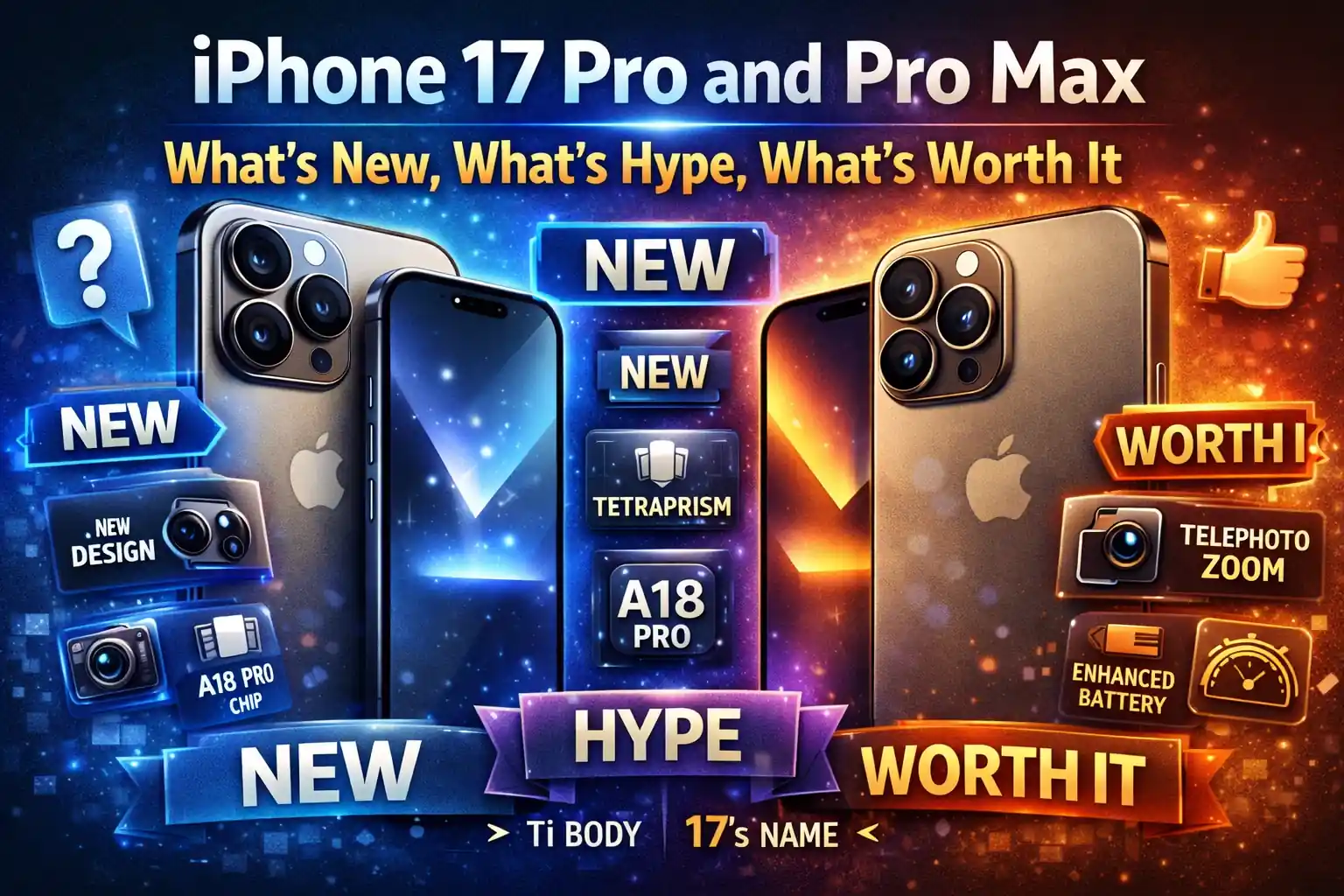
Камерната система е заглавието на 17 Pro линия. Apple е препроектирала камерата за първи път от iPhone 11 Pro, с широк хоризонтален бум жилища три 48 MP задни камери: широк, ултраширок, и нов 4× телефото въз основа на актуализиран тетрапризъм дизайн.: ContentReference[oaicite:9] {index=9}
Телефото е особено забележим: 48 MP сензор с 4× оптичен теле и достатъчно резолюция, за да поддържа оптично качество 8× увеличение чрез сензорни култури, което дава най-дългата практическа телефото достигне на всеки iPhone до момента.: ContentReference[oaicite:10] {index=10}
За IT и предприятие това има значение, ако вашите екипи:
• Залавяне на подробни доказателства на място: строителство, инспекции, одити, инженерни проверки.
• Работа в медии, маркетинг или документация, където телефонните записи са свързани с производството.
• Разчитайте на телефото за събития, конференции или обучение, където не може винаги да сте близо до обекта.
За просто заснемане на документи, бели дъски, или случайни снимки за билети системи, по-старите камери системи на стандартния iPhone 17 или по-рано Pros вече са повече от адекватни. В тези среди, на 17 Pro камера стека е хубаво да има, не задължително ъпгрейд.
Батерия Life and Radio Stack: Мобилност за потребители на енергия
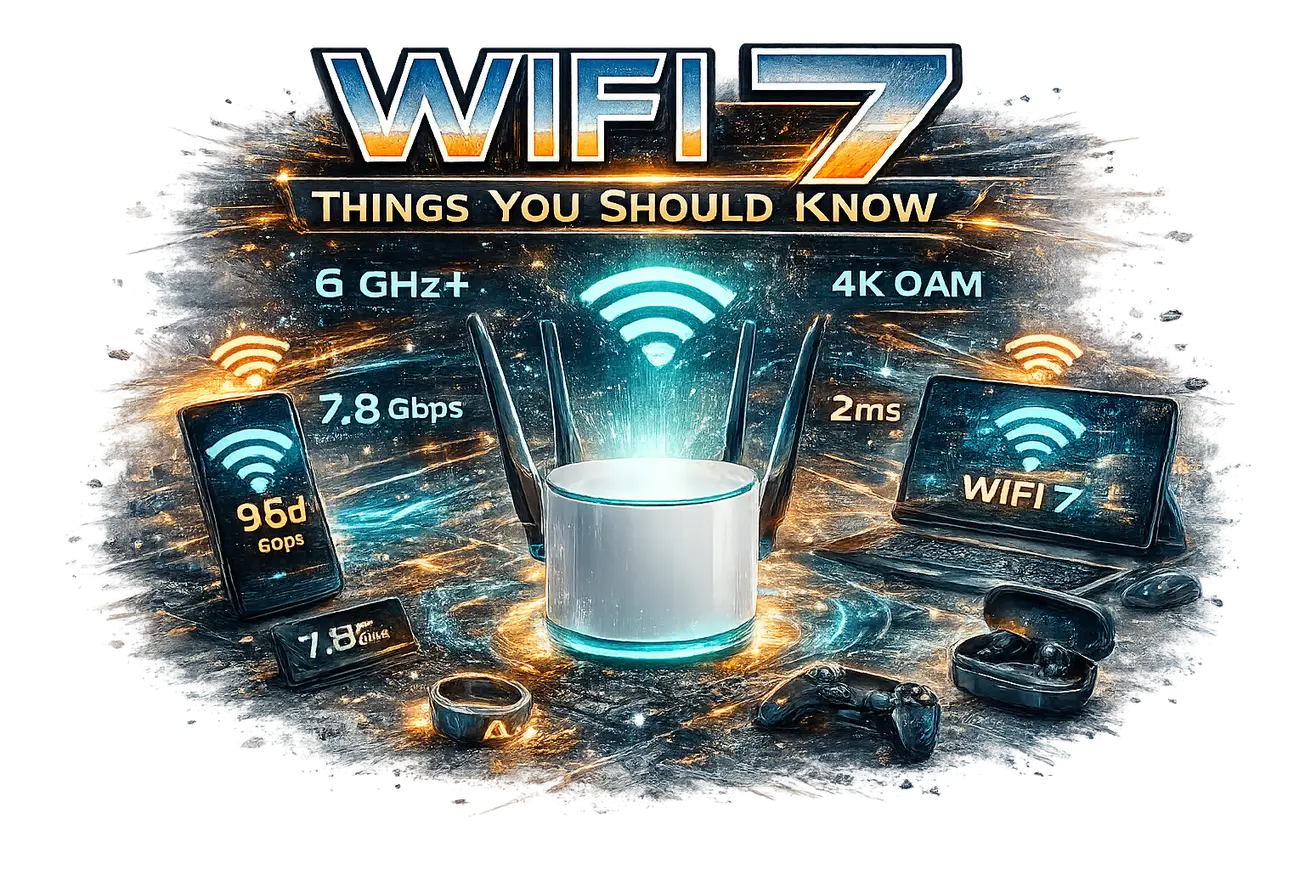
Моделите Pro интегрират Apple по-скоро безжичен чип N1 заедно с Wi-Fi 7, Bluetooth 6, второ поколение Ultra Wideband, и Qualcomm X80 5G модем, отколкото Apple по-скоро експериментален вътрешен модем, използван на iPhone Air.: ContentReference[oaicite:11] {index=11} Тази комбинация има за цел стабилно представяне, широка банда подкрепа, и добро роуминг поведение, а не агресивни експерименти на модем ниво.
Животът на батерията е един от най-силните аргументи за 17 Pro Max в частност. Независими тестове го поставят сред най-горния ред на телефоните за издръжливост, траен много конкуренти, докато 17 Pro все още подобрява на предишни поколения Pro.: contentReference[oaicite:12] {index=12} За ИТ това се превежда директно в по-малко мъртви устройства по средата на дълга смяна и по-гъвкаво да се стартират приложения за жадни за захранване, без да се връзват потребителите на зарядни устройства за стени.
Характеристики на сигурността: Управление на целостта на паметта и втвърдяване на платформата
Една от по-малко блещукащите, но по-важни промени е въвеждането на Memory Informal Activity (MIE) на всички A19 и A19 Pro устройства, включително 17 Pro линия. MIE съчетава сигурни алокатори, засилено тагване на паметта и прилагане на поверителността, за да втвърди ядрото и десетки процеси на потребителските земи срещу манипулации за безопасност на паметта, специално насочени към висококачествен шпионски софтуер и сложни вериги за експлоатация.: ContentReference[oaicite:13]{index=13}
За среди, занимаващи се с чувствителни данни, високо рискови ръководители или регулирани работни места, това е осезаема победа за сигурността. Тя няма да премахне необходимостта от EDR, втвърдяване и обучение на потребителите, но ще повиши основната трудност за устойчивите нападатели по начин, който е пряко свързан с моделирането на риска.
Apple Intelligence и On-Device AI
IOS 26 позиционира семейство iPhone 17, и особено Pro модели, като първокласни клиенти за Apple Intelligence функции: много-app натурални-езикови заявки, на устройство за обобщаване, пренаписване, и изпълнение на модел за поверителност, който работи локално или се разтоварва на частен облак, когато е необходимо.: ContentReference[oaicite:14] {index=14}
От ИТ обектив, 17 Pro линия ви дава:
• Повече място за местни изводи, намаляване на зависимостта от външни AI услуги, където пребиваването на данни е проблем.
• По-добра производителност за спомагателни функции, интегрирани в собствените си приложения (например чрез модели ML на устройство).
• Вероятно по-дълъг прозорец за поддръжка за бъдещи възможности на AI, които Apple все още не е изпратила.
Какво е чувството като Hype повече от вещество
Не всяка точка за говорене в речта за стартиране се превръща в оперативна стойност за ИТ.
Някои примери, които са насочени към маркетинг, а не към твърди изисквания:
• Extreme telphoto ranges и 8× оптично качество Zoom ще бъде overkill за повечето потребители на офис.
• Максимум 3000-нит външна яркост въпроси предимно за работниците в много ярка среда; вътре, всеки скорошен OLED iPhone е вече повече от достатъчно ярък.:СъдържаниеReference[oaicite:15] {index=15}
• Естетични аспекти на плато-камерата дизайн или полу-алуминий назад рядко оказват влияние върху бизнес стойността, освен трайността в границите.
• Инвалидни GPU тласъкове отвъд това, което е необходимо за текущите си приложения могат да отидат до голяма степен неизползвани, докато или освен ако не разгърнете графични-тежки инструменти.
Нито едно от тях не е негативно; те просто означават, че много от водещите функции не трябва да управляват бюджетни решения, освен ако не картографират директно реални потребителски истории във Вашата организация.
За какво всъщност си струва да се плати?
Характеристиките, които имат ясна, защитна стойност за ИТ и купувачи на предприятия, включват:
• A19 Pro с 12 GB RAM: повече валута, по-гладко представяне под наблюдение, EDR, и тежки приложения, и по-добро бъдещо покритие за AI работни места.:contentReference[oaicite:16]{index=16}
• Vapor-камера охлаждане: по-предсказуеми криви на изпълнение през дълги сесии, които са от значение за AR, gaming-adjacent работа, и интензивно използване на камерата.: contentReference[oaicite:17] {index=17}
• All-48 MP задни камери с дълго рехателен телефото: документация по-висока вярност и повече гъвкавост за екипи, които наистина разчитат на изображения в областта.: ContentReference[oaicite:18]{index=18}
• MIE и платформа за повишаване на сигурността: значително втвърдяване срещу сложни атаки, особено за високо рискови потребители.:contentReference[oaicite:19] {index=19}
• Акумулаторна издръжливост на Pro Max: реална оперативна стойност за екипи, които прекарват целия ден далеч от зарядни устройства.:contentReference[oaicite:20]{index=20}
Ако тези елементи се съгласуват с Вашите случаи на вътрешна употреба, Pro линия е оправдана. Ако не го направят, стандартният iPhone 17 или сконтован предварителен хардуер почти сигурно ще бъде достатъчен.
Практически насоки за обществени поръчки за ИТ екипи
За много организации, подредена стратегия ще осигури най-добрия баланс на разходите и възможностите:
• Стандартни потребители: по подразбиране на iPhone 17 или, където бюджетите са по-строги, iPhone 16-серия устройства, които все още са напълно подкрепени от настоящите IOS и Apple Intelligence.
• Power and creator roles: предлага iPhone 17 Pro като базовата линия, където камерата, ефективността, и AI слушалката са ясно обвързани с производителността или качеството на продукцията.
• Мобилно-първи и полеви-тежки роли, които живеят на телефоните си: приоритетно iPhone 17 Pro Max за по-голям дисплей и по-силен живот на батерията.
В крайна сметка, iPhone 17 Pro и Pro Max са отлични устройства, но те не са магия. За IT, въпросът не е дали те са най-добрите и най-добрите iPhones Apple прави, но дали допълнителните печалби в изпълнение, изображения, сигурност, както и живота на батерията подредени с конкретни бизнес изисквания. Там, където го правят, премията е лесна за защита. Там, където те не са, вие вероятно ще плащат за Hype и столовата, която потребителите ви никога няма да използват.

 12995
12995  IT Pro