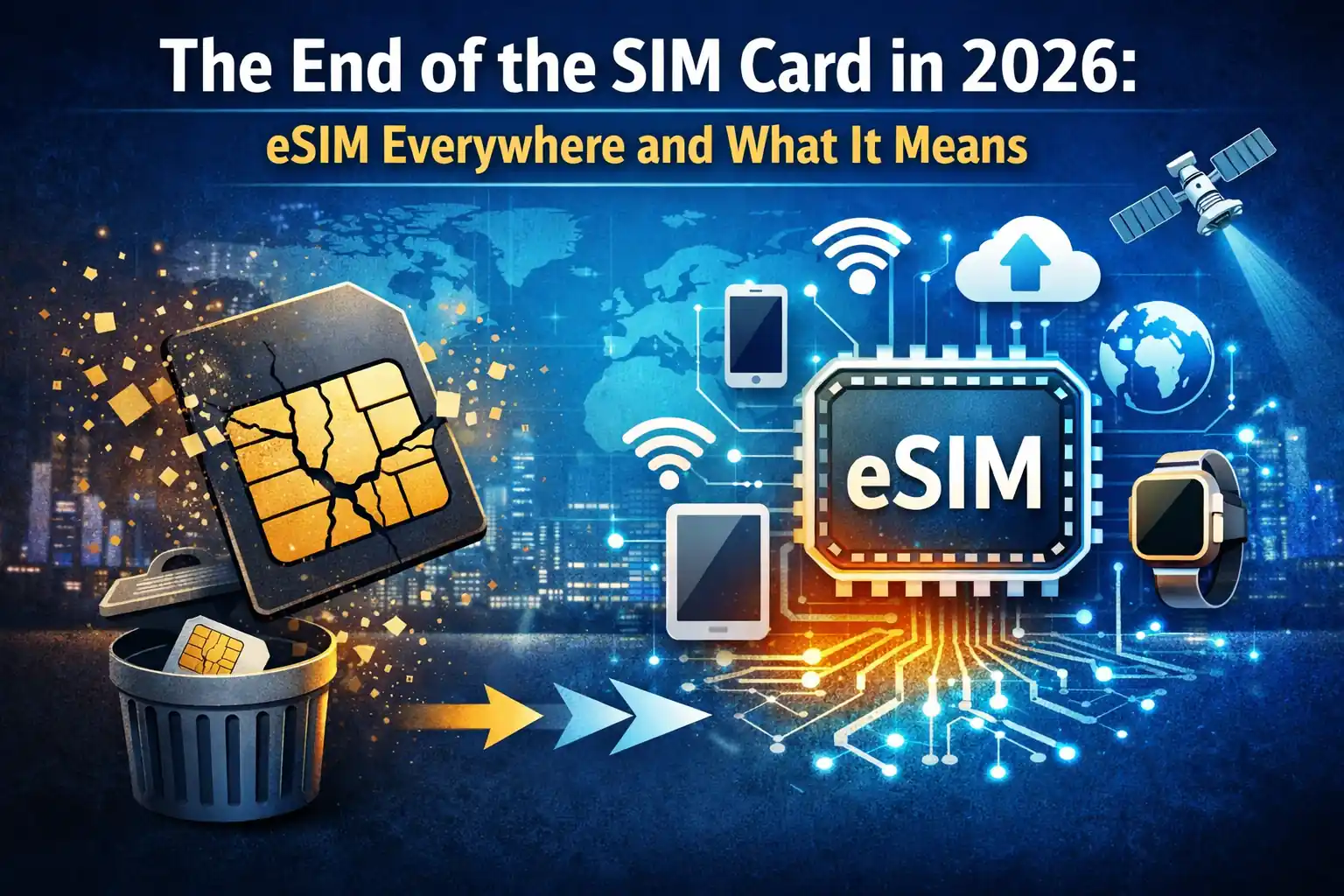
През 2026 г. малката пластмасова SIM карта не е по подразбиране. eSIM премина от премиум функция към изходно очакване през телефони, таблети, лаптопи, горещи точки, и разширяване на обхвата на IoT крайни точки. За ИТ професионалистите това не е просто хардуерна бележка под линия. Променя работната сила на поръчките, устройството на борда, управлението на превозвачите, стратегиите за роуминг, нулево доверие предположения, отговор на инцидента, и дори как сте инвентаризирали кой е свързан с това, което се намира в една организация.
eSIM звучи просто на хартия: програмируема абонатна идентичност, вградена в устройството, която може да се предоставя дистанционно. На практика тя пренастройва множество процеси на предприятията, които тихо се държат заедно от физическата същност на подвижните SIM-та. Смяната е фина, когато сте управление на десет устройства, и много реално, когато сте се управлява стотици или хиляди в региони и превозвачи.
Защо 2026 изглежда като връхната точка
eSIM е бил наоколо в продължение на години, но 2026 е мястото, където най-накрая се свива. Пейзажът на устройството е узрял: потребителите и купувачите на предприятия сега очакват многопрофилна подкрепа, по-гладко превозвач на борда, и самообслужване активиране, което не изисква чакане за доставка. В същото време организациите са по-разпределени от всякога и изпращането на физически СИМ-и на отдалечени работници или световни екипи е все по-неефективно.
За предприятията бизнес случаят е убедителен:
- По-бързо разполагане на устройства за отдалечени наеми и разпределени офиси
- Намалена логистика за резервни SIM инвентар и корабоплаване
- По-гъвкава стратегия на превозвача, включително регионални пробиви и резервна свързаност
- По-добро подравняване с модерните UEM/MDM работни ваканции, където повторете първо е базовата линия
Но повратната точка не е само удобство. Също и за контрола. eSIM притиска управлението на клетъчната идентичност по-близо до софтуерния слой, което означава, че става по-автоматично и по-регулируемо. Това може да бъде добра новина за IT.
eSIM Basics, Без Marketing Gloss
Традиционният SIM е подвижен защитен елемент, който съхранява абонатни документи. С eSIM, тези пълномощия живеят в вграден защитен елемент и могат да бъдат актуализирани по въздуха. Устройствата могат да притежават множество профили на eSIM, а потребителите (или администратори) могат да преминат между тях в зависимост от политиката, региона или разходите.
От гледна точка на информационните технологии основните различия са оперативни:
- Без физическа замяна промяна на превозвачите или номерата в повечето сценарии
- Дистанционно осигуряване става стандартна стъпка за качване на борда за клетъчни устройства
- Множество профили създаване на нови въпроси, свързани с политиката: кой профил е това, което е персонално, и кой контролира превключването
- Самоличността става софтуерно управляванаТака че управлението е по-важно от всякога.
Какви промени в екипите за мобилност на предприятията
Ако вашата организация вече има зряло управление на мобилни устройства, eSIM може да изглежда като естествена еволюция. Но дори зрелите магазини често имат навици, изпечени в техните процеси: споделени SIM чекмеджета, смяна в последната минута, пътуване SIM политики, и неформални суапове по време на инциденти. eSIM променя тези модели.
Най-голямата практическа промяна е, че клетъчната свързаност става част от дигитално качване на борда вместо физическо котене. Новият лаптоп на служител + phone. workflow може да включва активационни стъпки на носителя, които се задействат от записване, състояние на съответствие, или нула-докосване на настройка.
Очаквайте да преразгледате:
- опис на активите: идентификатори и клетъчни профили на устройства за картиране на потребители, отдели и разходни центрове
- Потоци на Joiner/mover/lefter: възстановяване на номера и изключване на профили без нужда от хардуер обратно
- Резервна стратегия: СИМС се превръща в "spare files" и "current providering playbooks"
- Модели на регионални превозвачи: използване на различни превозвачи по държави без физическа обработка на СИМ
Сигурност: Моделът на заплахите се премества (но не изчезва)
Това е съблазнително да се предположи, че eSIM автоматично е по-сигурна, тъй като това е по-трудно да се премахне. Това е отчасти вярно за някои класове атака, но сигурността е по-нюансиран през 2026 г., защото нападателите се адаптират към управленския слой.
Ето какво обикновено подобрява:
- Намалена кражба на SIM и обмен по физически достъп: Атакуваща машина може да постави SIM в друго устройство в много сценарии
- По-малко случайни SIM нарушения: случайно или задвижвано от потребителя размяна става по-малко често
- По-силно подравняване със сигурността на устройството: клетъчната идентичност е завързана по-здраво към обезопасения елемент на устройството
И ето какво става по-важно:
- Предоставяне на проверки: кой може да добави профил, кога и чрез кои фактори за удостоверяване
- Сигурност на сметката на превозвача: ако порталът на превозвача или администраторската конзола е компрометиран, злоупотребата на ниво профил става възможна
- Капан за опит на потребителя: Фишинг и социално инженерство могат да се прицелят в кодове .. и QR
- Многопрофилна неяснота: погрешен профил може да бъде активен в неподходящо време, нарушаване на политиката предположения и одитни пътеки
От практическа гледна точка, рискът на SIM еволюира. Традиционната SIM swap измама често се използва превозвач подкрепа работни потоци и слаба проверка идентичност. eSIM държи превозвачите в примката, което означава, че вашата стойка за сигурност все още зависи от управлението на сметката на превозвача, многофакторна проверка на автентичността и най-малко-привилегированата администрация. За ръководени от предприятията линии, затегнете портала за контрол толкова агресивно, колкото втвърдявате MDM.
Идентичност и достъп: третирайте клетки като предприятие Credential
В много среди, клетъчната свързаност се третира като просто мрежа, а не като доверие. Това е грешка, когато устройства могат да променят профилите бързо и свързаност се използва за постигане на управленски услуги, VPN портали, и SaaS крайни точки.
Полезният умствен модел е: eSIM профил е символ за самоличност, издаден от предприятието за достъп до мрежата. Тя трябва да се регулира с подобно вкочаняване на сертификати, управлявани Wi-Fi пълномощия, и проверка на съответствието на устройства.
Това означава привеждане в съответствие на стратегията eSIM със:
- Условен достъп: Изискване за съответствие на изделието за достъп до чувствителни ресурси, независимо от транспорта
- Мрежа с нулево доверие: Приемайки, че клетъчната мрежа не е достоверно доверена
- Атестация на устройството: да се гарантира, че включените крайни точки отговарят на изискванията за базова цялост преди предоставяне на профили
- Логиране и корелация: capting profile activity to device identity and user identity for investigations
MDM/UEM операции: eSIM като компонент от първи клас Lifecycle
Ако сте се движат модерен UEM стека, оперативната цел е ясна: eSIM трябва да се предвиди, одитира, и премахва чрез политика-задвижвани работни потоци, които съответстват на вашия модел на риска.
На практика предприятията обикновено попадат в два модела през 2026 г.:
ИТ управлявани клетъчни профили: Корпоративните устройства получават автоматично профили по време на записването. Потребителите имат ограничена способност да добавят, премахват или превключват профили без одобрение на политиката.
Потребителско оборудване: IT предоставя инструкции за активиране (често чрез защитен портал) и потребителят допълва мерките за осигуряване, понякога с портал за съответствие в системата UEM.
И двете могат да работят, но водят до различни спомагателни товари. Интегрирането на информационни технологии намалява несъответствията, но изисква силна интеграция и чист оперативен модел с превозвачи. Потребителско-асистентираните модели са по-лесни за бързо изтегляне, но са склонни да произвеждат бюро за помощ, освен ако инструкциите не са изключително ясни и изключението работа е добре проектирана.
В двата модела план за:
- Дрифт на състоянието на профила: потребителите превключват линии за пътуване или разходи, и изведнъж корпоративни данни се вози над непреднамерен превозвач
- Поддръжка на учебници: Грешка при отстраняване на проблеми .no service, .. . . . . . .
- Освобождаване от изискването за сигурност: да се гарантира, че напускащите губят корпоративна свързаност дори ако устройството се изключи
- Подреждане на съответствието: само предоставяне eSIM, когато стойката на устройството отговаря на политиката (криптиране, OS версия, заключване на екрана и др.)
Управление на обществените поръчки и превозвачите: Реалната работа се движи нагоре
С физически SIMs, много сложност живее на ръба: корабоплаване, размяна, и местни поправки. С eSIM сложността се прехвърля нагоре по течението в връзки с носители и администраторски портали. Работата по вестниците става оперативен гръбнак.
Практическите въпроси на ИТ екипите през 2026 г. включват:
- Колко бързо можем да осигурим нова линия за устройство в друга страна?
- Можем ли да наложим активирането на корпоративния профил чрез автоматизация, или е ръчно?
- Как изглежда пренасянето на номера, когато профилът е вграден?
- Получаваме ли надеждни дневници за издаване на профили, промени и анулирания?
- Как ще се справим с аварийния самолетоносач без да създаваме хаос?
За много предприятия най-голямата победа е ловкост на превозвача: възможността за поддържане на предпочитан превозвач за регион и все още позволява корпоративни устройства да се активират бързо без физическа обработка. Най-големият риск е непоследователната администрация на превозвачите, където предоставянето на разрешения се разпростря в твърде много администратори и твърде много несвързани портали.
Отнасяйте се с портала като с привилегирована система:
- Засилване на MFA и силно доказване на самоличността на администраторите на превозвачи
- Използване на най-малко привилегировани роли за предоставяне срещу фактуриране срещу отчитане
- Централизиране одит и преглед на достъпа редовно
- Пътища за ескалация на документи за измами и аварийни блокирания
Roaming and Travel: From да си купите SIM...
Бизнес пътуването означаваше един от трите подхода: да плащаш роуминг, да си купуваш местен SIM или да издаваш SIM. eSIM променя менюто. През 2026 г. става все по-нормално пътешественикът да носи множество профили, като корпоративната политика решава какво е позволено.
Това е добра новина за ИТ, защото може да намали рисковото поведение на потребителя като закупуване на непознати SIMs в павилиони или използване на лошо контролирани устройства за гореща точка. Но също така означава, че имате нужда от ясна позиция относно многопрофилната употреба:
- Позволено ли е на потребителите да добавят лични профили за пътуване към корпоративни устройства?
- Ако го направят, искате ли корпоративните данни да останат в корпоративния профил?
- Имате ли заповед VPN за всички трафик при роуминг?
- Как се справяте със страните със специални телекомуникационни ограничения или изисквания за съответствие?
Прагматичен подход е да се определи политика на пътуване, която включва:
- Одобрени регионални превозвачи или доставчици на eSIM
- Правила за сигнали за смяна на профили и използване на данни
- Изисквания за сигурност, когато са извън района на произход (VPN изпълнение, DNS политики, ограничения на приложението)
- Процедури за подкрепа на пътници, които губят обслужване в критични моменти
IoT и Fleet устройства: eSIM в мащаб (и на ръба)
eSIM по-голямото въздействие на предприятието може да не са телефони на всички. Това е флотилия. Kiosks, устройства за продажба, здрави ръчни устройства, сензори, тракери, и индустриално оборудване все повече кораб с вградени клетъчни възможности за идентичност, предназначени за дистанционно осигуряване. Това е гейм-променчик, когато устройства са разположени на места, които можете да посетете лесно сайтове, търговски клонове, превозни средства, или отдалечени съоръжения.
За IT и OT екипи, eSIM може да даде възможност:
- Масово осигуряване по време на разполагане на вълни
- Превключване на превозвача когато покритието е слабо или разходите се променят
- Регионална оптимизация за многонационални флоти без логистична тежест
- Дистанционно възстановяване когато устройствата се нуждаят от възстановяване на свързаността след нулиране или заместване
Но също така увеличава необходимостта от чиста инвентаризация и контрол на жизнения цикъл. Когато едно IoT устройство е извадено от експлоатация, вие трябва да бъдете в състояние да отмените неговата свързаност надеждно, актуализиране на карта на собствеността, и да предотвратите горската линия да продължи да плаща тихо в продължение на месеци.
BIOD и устройства с двойна употреба: The Policy Minefield
eSIM улеснява замъгляване на линията между лична и корпоративна свързаност, особено на устройства, които поддържат много профили безпроблемно. В BYOD среди, това може да бъде както предимство, така и риск.
Предимството е гъвкавост: потребителят може да запази личната си линия и да добави корпоративна линия без да носи два телефона. Рискът е управление: ако корпоративните политики предполагат, че линията за рулиране се равнява на корпоративната стойност, можете да откриете, че устройството често променя профилите си или че корпоративните данни се движат над персонална свързаност.
Чистата политика бие техническата надежда. През 2026 г. BIOD програмите трябва изрично да определят:
- Дали корпоративните eSIM профили са позволени на лични устройства изобщо
- Какво ниво на управление на устройства е необходимо за извършване на корпоративен профил
- Какво се случва, когато потребителят напусне организацията
- Как да се справите с правни открития, граници на личния живот, и подкрепа на отговорностите
В много случаи, организации в крайна сметка сегментират своя подход:
- Пълна корпоративна собственост за рискови роли когато се изисква строго управление
- Хибридни модели за работещи с знания, с управлявани приложения и условен достъп
- Политика на леко докосване за изпълнители, като се използва контрол на ниво приложение, а не осигуряване на ниво устройство
Инцидент Отговор: При свързване Е ключ, който можеш да завъртиш
Една от малкото предимства на eSIM е скоростта на реагиране при инциденти. Когато устройството е изгубено, компрометирано или свързано с подозрителна дейност, свързаността може да стане част от стратегията за ограничаване.
С физическите SIM-ове може да спрете една линия, но процесът може да бъде бавен и често включва човешки работни потоци. С помощта на eSIM и съвременните средства за превоз, идеалното състояние е по-бързо:
- Отменете или спрете корпоративния профил бързо
- Спусък UEM действия: заключване, изтриване, премахване на корпоративни приложения, отнемане на символи
- Запазване на дневници, които корелират идентификаторите на профила с потребителската идентичност и идентичността на устройството
- Преиздаване на профил на резервно устройство без доставка на нищо
Най-добрите резултати IR се случват, когато вашият превозвач и UEM работни потоци са подравнени. Ако вашият SOC може да деактивира корпоративната свързаност като стандартна стъпка в игралната книга, вие намалявате прозореца, където компрометираните устройства могат да ексфилтрират данни или да се свързват многократно.
Отстраняване в ерата на eSIM: нови режими на неуспех
eSIM премахва някои проблеми и въвежда други. Помощ на бюро екипи през 2026 често се виждат въпроси, които са по-малко готварски счупени и по-голяма . .
Общите точки на болка eSIM- ера включват:
- Грешка при активиране причинени от ограничения във връзка с времето, непълно записване или сметка на превозвача
- Проблеми с изтеглянето на профила поради затворени портали, ограничени мрежи или бъгове на ниво OS
- Грешен профил активен води до неочаквани разходи, блокирани услуги или липсващ достъп до корпоративни ресурси
- Стабилни профили ляво върху устройства след смяна на ролите или промяна на устройството
За да намалите обема на билетите, инвестирайте в:
- Просто, визуално бордово ръководство вградено във вашия вътрешен портал
- Стандартизирани процедури за ескалация с превозвачи за заклещени държави
- Изчистване на вътрешните правила за смяна на профила и каква подкрепа ще покрие
- Диагностика на самообслужването: Кой профил е активен? Необходимо ли е корпоративно VPN?
Управление на разходите: eSIM прави превключване лесно, фактуриране бъркотия
Гъвкавостта си има цена. Когато потребителите могат да сменят профилите бързо, лесно е за фактуриране да се отдалечи от политиката. Сенчести линии, дублирани планове, неизползвани профили и роуминг изненади все още могат да се случат понякога по-лесно, ако управлението е свободно.
ИТ екипите следва да работят в тясно сътрудничество с финансите и обществените поръчки за изграждане на модел за фактуриране, който съответства на реалностите на eSIM:
- Автоматизирано помирение между инвентара на устройството и активните линии
- Изчистване на структурата на собствеността на профили към отдели и разходни центрове
- Проверка извън борда да се гарантира, че линиите са наистина деактивирани
- Парапети използване на сигнали, тавани или одобрени профили за пътуване
В зряла среда, eSIM позволява по-умни стратегии за разходи:
- Регионални превозвачи за по-добри лихвени проценти и покритие, а не един план за по-добро покритие
- Вторични профили за неизправност, които са активирани само когато е необходимо
- Първите планове на данните за таблети и лаптопи, които съответстват на действителните модели на използване
Лаптопи и винаги-свързана работа: Cellular става нормално отново
Лаптопите, които винаги са свързвани, са били почти там в продължение на години, често задържани от разходите, непоследователна поддръжка на превозвача, както и триенето на предоставянето. eSIM намалява триенето и го прави по-реалистично за организациите за внедряване на мобилни лаптопи за конкретни роли.
За IT въпросът става: къде клетъчното добавя измерима стойност?
- Полеви услуги и функции на повикване където времето и Wi-Fi не са надеждни
- Изпълнители и често пътуващи които се нуждаят от предвидима свързаност
- Отговор при инциденти които може да се нуждаят от извънборсов достъп по време на прекъсвания
- Изскачащи сайтове и временни офиси, които се нуждаят от бърза свързаност
Най-добрите разгръщания третират клетките като управлявана транспортна опция, а не като заместител на сигурна мрежа. Винаги свързаната свързаност следва да се управлява от съответствието на устройствата, силната сигурност на крайните точки и последователните проверки за достъп.
Поверителност и съответствие: Кой притежава линията, кой притежава данните?
Когато корпоративните профили живеят редом с личните профили, организациите трябва да бъдат внимателни относно границите на поверителност, особено в региони със строги закони за поверителност на служителите. eSIM не променя правните задължения, но променя механиката на начина, по който линиите са възложени и регенерирани.
Екипите за съответствие и ИТ следва да се приведат в съответствие със:
- Какви метаданни са регистрирани от превозвачите и как се запазва
- Как трупите се използват при разследванията и какви одобрения се изискват
- Как се работи извън борда без събиране на ненужни лични данни
- Как да се управляват трансгранични телекомуникационни ограничения и очаквания за пребиваване на данни
За много организации най-простият подход е ясното отделяне:
- Корпоративните устройства носят корпоративни профили под корпоративно управление
- Уредбата BIOD използва контроли на ниво приложение и условен достъп, а не осигуряване на дълбоко ниво на превозвачи
- Високорискова среда минимизира двуфункционалност чрез издаване на специален корпоративен хардуер
Ами iSIM и следващата стъпка след eSIM?
Ако eSIM е краят на пластмасовия SIM, iSIM намеква за следващата еволюция: интегриране на функционалността на абонатната идентичност по-тясно в хардуера на устройството, понякога директно в архитектура система-на-чип. Внушението на предприятието е същата тема: идентичност на свързаността се движи по-дълбоко в управлявана, вградена, софтуерно управлявана територия.
За повечето ИТ екипи през 2026 г., непосредствен приоритет не гони iSIM. Това е получаване на ESIM управление право: инвентар, осигуряване на контрол, портал сигурност на превозвача, offboarding надеждност, и оперативни игрища. Ако можете да направите това добре, iSIM се превръща в по-малка допълнителна промяна, отколкото друга разрушителна промяна.
Практически препоръки за ИТ професионалисти през 2026
eSIM вече е достатъчно широко разпространена, че го чакате и да видите това, което става скъпо. Целта не е да се преследва новост, но да се стандартизиране как вашата организация управлява клетъчна идентичност в свят, където СИМ картите вече не са физически обекти можете да контролирате с чекмедже и електронна таблица.
прагматична проверка на готовността на eSIM включва:
- Дефинирай собствеността: кои устройства и роли получават корпоративни профили и под какъв модел на управление
- Администриране на втвърден носител: MFA, най-малко привилегии, одит и документирани ескалационни пътища
- Интеграция с UEM работни потоци: осигуряване, обвързано със записването и спазването, с чисто освобождаване
- Запис на поддържащи книги: неизправност на задействането, дрейф на профила, сценарии за пътуване и възстановяване при извънредни ситуации
- Изграждане на сметки помирение: непрекъснато съответствие на активните линии с активните активи и собственици
- Влакови екипи: Помощ бюро, SOC, и обществени поръчки всички се нуждаят от общо разбиране на новия модел
Организациите, които се възползват най-много от eSIM през 2026 г., са тези, които го третират като управляван капацитет, а не удобна функция. Когато се прави добре, eSIM намалява триенето, подобрява пъргавината и поддържа отдалечени операции, без да увеличава риска за сигурността. Когато се прави небрежно, тя може да се превърне в многопрофилна бъркотия, където разходите дрейф, одити са непълни, и реакция инцидент става по-бавен, отколкото трябва да бъде.
Долната линия
Краят на физическата SIM карта не е възможно да е история на потребителите. eSIM навсякъде означава клетъчна идентичност става по-лесно да се разгърне, по-лесно да се промени и потенциално по-лесно да се управлява. Това също така означава, че старите предположения за контрол не важат вече. През 2026 г. ИТ специалистите, които модернизират своите дейности по осигуряване, сигурност и жизнен цикъл около eSIM, ще спечелят скорост и устойчивост. Тези, които не го правят, може да открият, че малката SIM карта, за която са спрели да мислят, тихо се е превърнала в основен източник на сложност само в нова форма.

 12985
12985  IT Pro