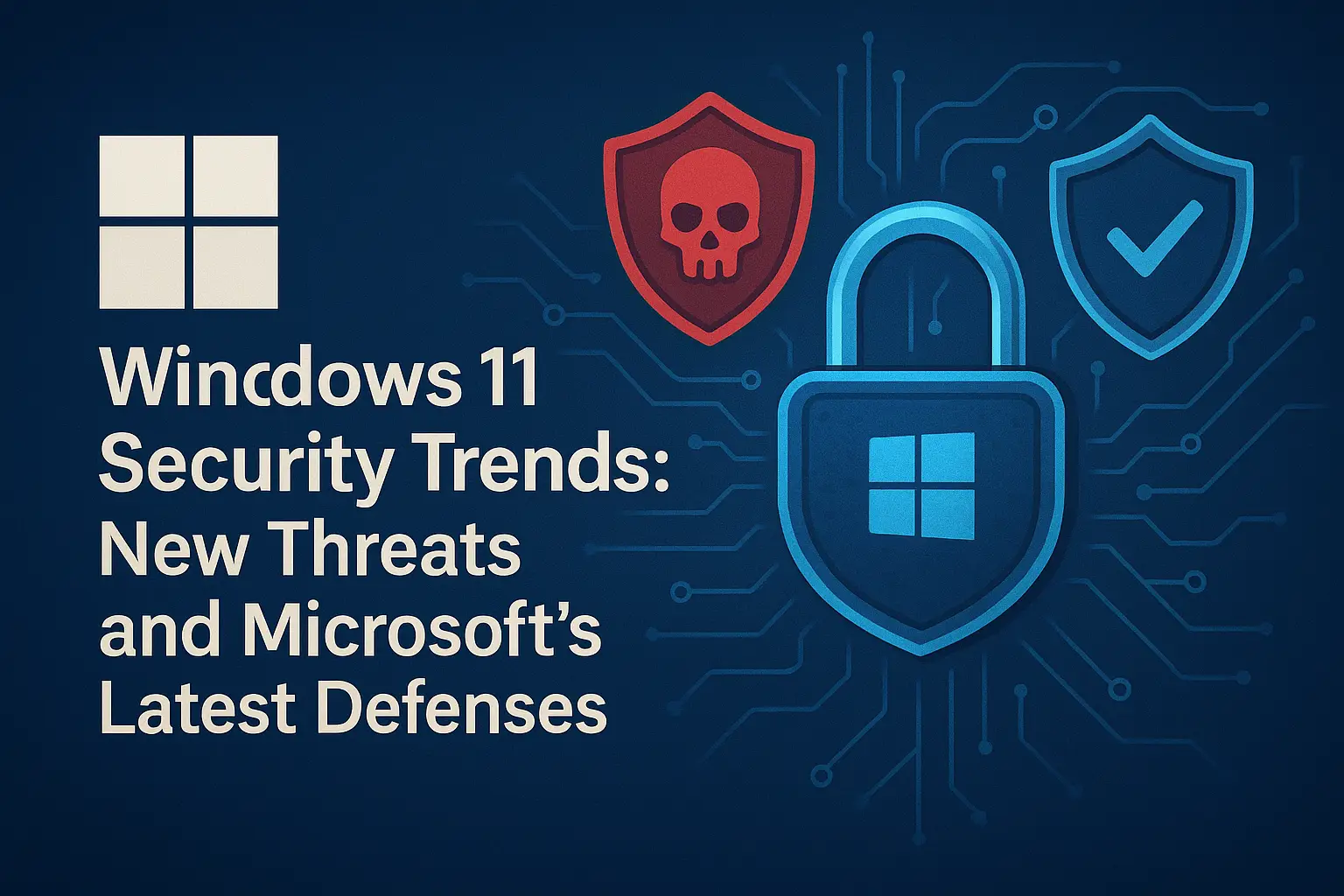
Тъй като предприемаческите среди все повече приемат Windows 11 като своя основна операционна система, екипите за сигурност са изправени пред бързо развиващ се риск. Киберпрестъпниците продължават да усъвършенстват методите си, разчитайки на автоматизация, насочена към идентифициране, атаки и напреднали стратегии за постоянство. Microsoft реагира с ново поколение вградени подобрения в сигурността, предназначени да защитят съвременните, хибридни и нулево доверие в околната среда. За ИТ специалистите, които наблюдават управлението на флота, съответствието и защитата на крайните точки, разбирането на тези тенденции е от съществено значение за оформяне на сигурността през 2025 г. и след това.
Промяната към първи нападатели
Ясна тенденция през последните месеци е засилването на натрапчивите данни за идентичност, насочени към околната среда на Windows 11. Атакуващите разчитат по-малко на традиционните зловредни товари и повече на компрометиращи символи за установяване на идентичността, използвайки погрешно конфигурирани клауд идентичности или задвижващи се атаки с пароли. Credential кражба комплекти са станали по-автоматизирани и по-способни да заобиколят наследство MFA решения.
Windows 11 сега интегрира по-дълбоки защити чрез функции като подобрена Windows Hello за бизнес, засилено фишинг-устойчиви потоци за удостоверяване, и разширена интеграция с политика за достъп Entra ID. Тези подобрения значително намаляват жизнеспособността на нашествията, основани на убеждения, но ИТ отделите все още трябва да прилагат силно управление на идентичността и непрекъснато наблюдение във всички крайни точки.
Al-Driven атаки и новата офанзивна Автоматична вълна
Актьорите на заплахи все повече се опитват да създадат полиморфен зловреден софтуер, да автоматизират разузнаването и да правят много убедителни фишинг кампании. Тази автоматизация позволява на нападателите да мащабират операциите много по-бързо от това, което преди това е било възможно.
Microsoft е въвел II-мощни защити чрез дълбоката интеграция на Windows 11 с Microsoft Defender и клауд-базирани разузнавателни системи. Тези системи откриват аномално поведение, анализират моделите на милиони крайни точки и автоматично реагират на подозрителни действия. За ИТ екипи практическото въздействие е по-ранно откриване, по-малко фалшиви положителни резултати и по-ефективни работни потоци.
Hardware-Rooted сигурност става стандарт
Една от най-големите архитектурни смени, въведени с Windows 11, е задължителното изискване за TPM 2.0 и съвременните разширения на процесора. Това ускори приемането на вградени в хардуера модели на доверие в цялата екосистема на предприятията.
С функции като Виртуализация-базирана сигурност (VBS), Hypervisor-защитен код почтеност (HVCI), и сигурна сила на обувка, нападателите сега са изправени пред значително по-високи бариери за постигане на компромис ниво ядро. Изследователите на сигурността са наблюдавали спад в успешното използване на ниско ниво срещу системи, които използват тези защити.
Въпреки че тези възможности са активирани по подразбиране на най-модерните устройства, ИТ екипите трябва да проверяват съответствието в целия си флот, особено за по-стар хардуер или устройства, модернизирани от предишните версии на Windows.
Нулево приемане на доверие Ускоряване на Windows 11
Архитектурата с нулево доверие премина от теория към оперативна необходимост, а Windows 11 ускорява този преход чрез различни вградени контроли. Характеристики като Smart App Control, Defender Credential Guard, контролиран достъп до папки и подобрена изолация на високорискови процеси помагат да се наложи поза на непрекъснато валидиране и най-малко-privilege достъп.
Тези местни инструменти на ниво OS позволяват на ИТ отделите да прилагат принципите на нулева основа в мащаб, без да разчитат изключително на решения на трети страни. В комбинация с облачна идентичност, анализ на крайните точки и условни политики за достъп, Windows 11 вече поддържа холистична и проактивна рамка за сигурност.
Ransomware Evolution and the Need for Layed Defense
Операторите на Ransomware продължават да развиват своите стратегии, премествайки се към по-стелт техники за проникване и насочване към критична инфраструктура, контролери на домейни и крайни точки, свързани с облака. Съвременните кампании за откупни материали се фокусират главно върху измъкването преди криптиране, увеличавайки натиска върху организациите да засекат проникването по-рано.
Microsoft е подобрил възможностите Defender по отношение на софтуера за намаляване на откупа, включително ранното откриване на поведение, подправянето на защитата за критични услуги и подобряването на архивирането. Windows 11 също се възползва от по-агресивна изолация на недоверени приложения и източници на файлове, което прави първоначалния компромис по-труден.
ИТ екипите трябва все още да прилагат строги закърпвания, сигурни резервни стратегии и практики за разделяне, тъй като пластовата защита остава единственият надежден метод за смекчаване.
Засилване на видимостта и реагирането при инциденти
Операциите за сигурност на предприятията все повече разчитат на видимост в реално време във всички устройства, а Windows 11 осигурява по-дълбока телеметрия в рамките на екосистемата на Microsoft. Инструменти като Defender for Endpoint, краен анализ, и развиващите се Windows Security Center позволяват бързо откриване на аномалии, конфигурация дрейф, и активни заплахи.
ИТ специалистите се възползват от подобрена автоматизация за ответни работни процеси, включително автоматизирано ограничаване на компрометираните крайни точки, направлявано разследване и интегрирано събиране на съдебномедицински данни. Тези възможности намаляват времето между откриване и готварски показател за съвременни операции SOC.
Подготовка за следващата вълна от предизвикателства пред сигурността
Докато Windows 11 продължава да еволюира, Microsoft почти показва още по-силен фокус върху сигурността на идентичността, хардуер-изолирани компютри, облачно-интегрирана защита, и AI-заплаха моделиране. Информационните отдели следва да предвиждат по-задълбочен контрол на политиките, по-дълбока автоматизация и разширена екосистема от API за сигурност за околната среда на предприятията.
Организациите, които се адаптират по-рано към тези тенденции, ще бъдат най-добре разположени, за да се защитят от възникващи заплахи. Windows 11 вече не е просто поредната OS освобождаване го е основата за модерна, сигурна, нулево доверие-подравняване на бизнес среда. ИТ специалистите следва да използват тези инструменти активно, за да поддържат устойчивостта в един все по-непредсказуем пейзаж на киберсигурност.

 12985
12985  IT Pro