Bevezetés
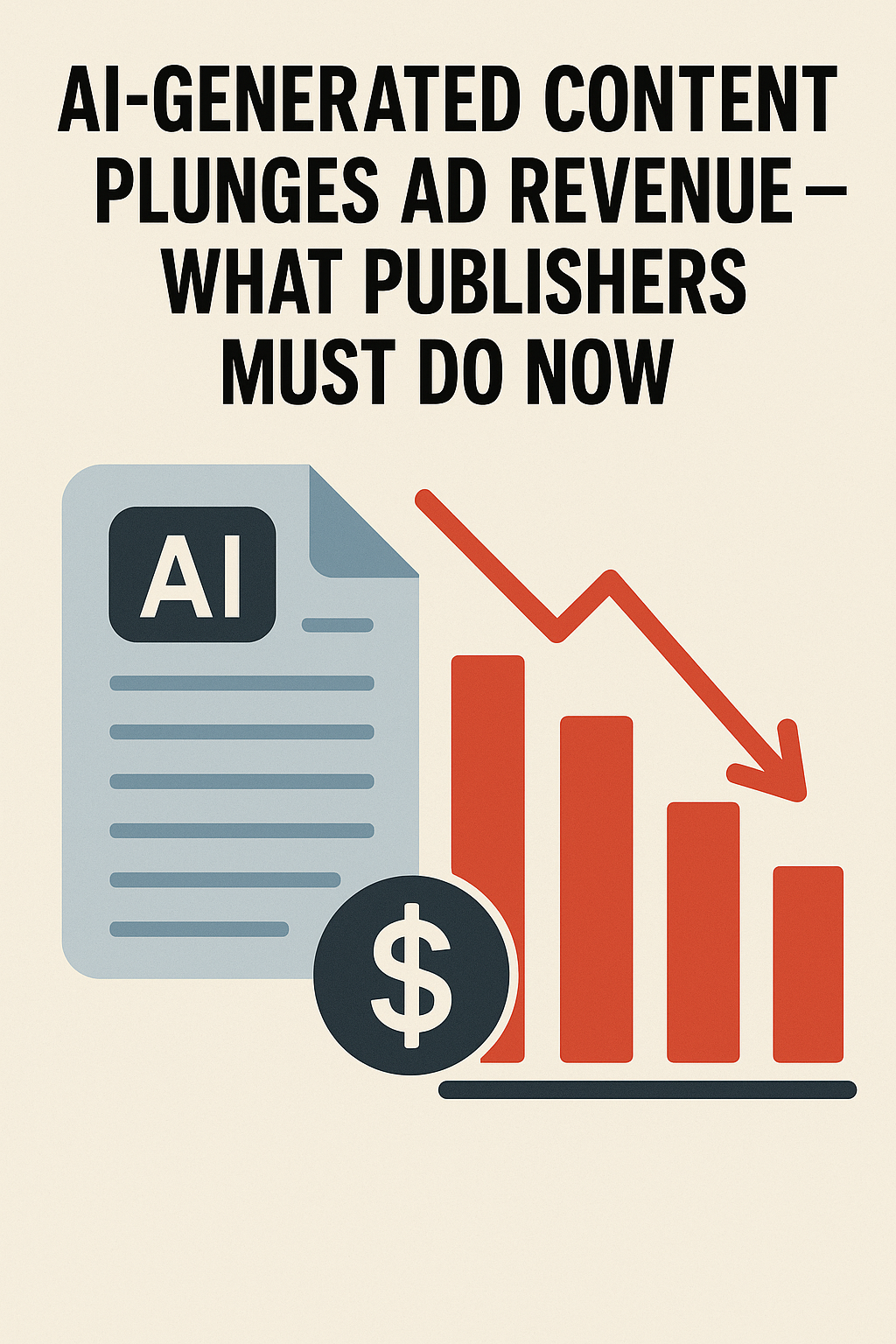
Az elmúlt évtizedben a digitális kiadói gazdaság egy egyszerű elven működött: a közlekedési célú üzemanyagok adóbevételén és a tartalomalapú üzemanyagok forgalmán. De azt a modellt gyorsan megzavarják. Generatív AI eszközök, keresési-motor összefoglalók, és chatbot- vezérelt információ szállítás egyre inkább megadja a felhasználók a kívánt válaszokat anélkül, hogy elküldené őket a kiadó honlapok.
A downstream hatás: csökkenő pageviews, zsugorodó benyomások, alacsonyabb CPM-ek és széles körű bevételi nyomás. Bár ez a változás gyorsan történt, hatása valószínűleg megmarad. A kiadóknak - agresszívan és stratégiailag - alkalmazkodniuk kell ahhoz, hogy az elkövetkező években megőrizzék a közönséget érő és a bevételeket.
Miért van az, hogy a hirdetési bevételek kiszorulnak?
Az MI-összefoglalók csökkentik a kattanást
A keresőmotorok és a AI asszisztensek most közvetlenül - gyakran összefoglalva kiadók tartalmát. Ha a felhasználók információ nélkül kattintás, pageviews csepp. Kevesebb látogatás kevesebb benyomás és gyengébb reklámhozam.
Jelentős növekedés az alacsony minőségű tartalmak kínálatában
Az MI drasztikusan gyorsabbá és olcsóbbá teszi a tartalomtermelést. Ennek oka:
-
Túlkínálat
-
A tartalom kisebb mértékű differenciálása
-
Erőszakos verseny a láthatóságért
-
Alsó CPM és eCPM átlagok a piacon
A hirdetők több leltárt kell választani - ami nyomja az árakat le.
A platformok lesznek a kapuőrök.
A kiadók már nem ellenőrzik a csatornát a tartalom és a közönség között.
Kereső motorok, AI chatbotok, aggregációs feed, társadalmi platformok - egyre inkább ellenőrzés:
-
Felfedezés
-
Nyúlás
-
Figyelem időtartama
Ez gyengíti a kiadók befolyását és tárgyalási erejét.
A hirdetői bizalom csökken, ha a minőség csökken
Az alacsony erőkifejtésű AI- generált cikkek növekedése a következőket eredményezte:
-
Több téves információ
-
Kisebb felhasználói elkötelezettség
-
Brand- biztonsági aggályok
Mindez elnyomja a hirdetési keresletet és a hirdetési árképzést.
Amit a kiadóknak most tenniük kell
Az alábbiakban egy stratégiai ütemterv található: bármilyen Digitális kiadó szeretné túlélni a jelenlegi zavart.
1. Váltás differenciált, magas értékű tartalomra
Az általános, sekély, masszázzsal előállított cikk korszaka összeomlik.
A kiadóknak a következőkre kell összpontosítaniuk:
-
Szakértő
-
Vizsgálatok
-
Eredeti kutatás
-
Interjúk
-
Hosszú távú jelentéstétel
-
Vizsgálatok
-
Kommentár
-
Adatalapú elemzés
A tartalomnak mélységet kell adnia az MI összefoglalóknak, amelyek nem helyettesíthetők teljesen.
2. A programhirdetéseken túlmutató bevételi források diverzifikálása
A kijelző hirdetésektől való túlzott függés veszélyes.
A kiadóknak meg kell vizsgálniuk:
-
Képviselők / előfizetések
-
Kifizetett hírlevelek
-
Kizárólagos tartalomszintek
-
Engedélyezési modellek
-
Támogató tartalom (átláthatóan címkézve)
-
Események / webinar / online tanfolyamok
-
Digitális termékek
-
Partnerségek
A cél: a bevételek ellenálló képessége.
3. A közvetlen közönségkapcsolatok megerősítése
A külső platformok függősége kockázatos.
A kiadóknak agresszívan kell felépíteniük:
-
Közvetlen látogatások
-
E-mail listák
-
Push- notification opt- ins
-
Közösségi jelenlét
-
Ismételt olvasókör
-
Hűséges közönségi szokások
A közvetlen hozzáférés az ellenszer a platform beterjesztési forgalmának elvesztésére.
4. Optimalizálja az új keresési + AI környezetet
A kiadóknak hozzá kell igazítaniuk a stratégiákat ahhoz a valósághoz, hogy az MI-összefoglalók egymás mellett fognak létezni.
Az intézkedések közé tartoznak:
-
A forgalom ellenőrzése tartalom szerint
-
Strukturált adatok és vázlatok javítása
-
A termékenkénti egyedi érték növelése
-
Mélyebb összekapcsolt tartalomközpontok létrehozása
-
A tartalom tervezése, ahol az összefoglalók kíváncsiságot keltenek, ahelyett, hogy kielégítenék
Az MI-nek meg kell kaparnia a felszínt - a kiadóknak kell a mélység.
5. A szellemi tulajdon védelme és pénzzé tétele
A kiadóknak a tartalmukat értékes tulajdonként kell kezelniük - nem eldobható üzemanyagként.
A kritikus lépések közé tartoznak:
-
Az engedélyezési nyelv törlése
-
A használati feltételek érvényesítése
-
Engedély nélküli kaparás nyomon követése
-
Az engedélyezési lehetőségek tárgyalása, amennyiben lehetséges
-
A vízjel-prémium adatok / jelentések
-
Exkluzív anyagok kifizetése
-
A kártérítési megállapodásokról folytatott tárgyalások, amikor a platformok a tartalmat használják vagy összegzik
Védd meg először - pénzes második.
Hathónapos cselekvési ütemterv
12. hónap
Ellenőrzés és stratégia
-
A forgalom csökkenésének azonosítása
-
Monetizációs gyenge pontok értékelése
-
A prémium tartalmi lehetőségek meghatározása
364. hónap
A bevételek diverzifikálása
-
Előfizetés vagy fizetett funkciók hozzáadása
-
Hírlevél stratégia indítása vagy bővítése
-
Biztonságos szponzorálás vagy márka-együttműködés
5- 6. hónap
A & skála optimalizálása
-
A SEO alapjainak javítása
-
Az örökzöld cikkek átszerkesztése a mélység érdekében
-
A hosszú formátumú tartalomformátumok kiterjesztése
-
A nyomon követés javítása és a stratégia finomítása
A lehetőség rejtve a válság
A mesterséges intelligencia zavara nem pusztán romboló.
Arra kényszeríti a kiadókat, hogy:
-
Előrejelzés
-
A hűség építése
-
A pénzmosás professzionalizálása
-
Innovatív formátumok
-
Kevesebb függés a platformokon
-
Magas értékű újságírás készítése
A kiadás következő generációja nem a volumenre, hanem az értékre épül.
Következtetés
AI- vezérelt zavar átformálja a digitális kiadást minden szinten - forgalom, közönség, reklámgazdaság, tartalomfeltárás és üzleti modellek. Azok a kiadók, akik továbbra is kizárólag a hagyományos advezérelt stratégiákra támaszkodnak, meredek bevételcsökkenést kockáztatnak.
A megoldás az átalakulás:
-
Mi kerül nyilvánosságra?
-
Hogyan keres a tartalom pénzt
-
A közönség megtartása
-
A tulajdonjog védelmének módja
Azok, akik korán fejlődnek, stabilizálódnak.
Akik nem, azok küzdenek a túlélésért.


 12977
12977  IT Pro